Category Archives: National

IJU Condemns Arrest of Journalist Tushar Kharat, Demands Immediate Release

KalimNews, March 13, 2025, Kalimpong :  The Indian Journalists Union (IJU) has strongly condemned the arrest of Tushar Kharat, the editor of the local YouTube channel Lay Bhari, who was detained by Satara police in Mumbai on March 9. Kharat’s arrest came after a complaint was lodged by Maharashtra’s State Rural Development Minister, Jaykumar Gore, accusing the journalist of publishing defamatory content about him. 


The complaint alleged that Kharat uploaded material that falsely portrayed Gore in connection with a 2016 case and claimed that the journalist had threatened to “fabricate” more allegations with the help of women, demanding Rs 5 crore to resolve the issue.

The charges against Gore, who recently faced opposition calls for his resignation, stem from accusations of harassment, including sending objectionable photos to a woman. Gore has denied all allegations, and as part of his defense, he filed breach of privilege notices against several political figures, including Shiv Sena (UBT) MP Sanjay Raut, NCP (SP) MLA Rohit Pawar, and Kharat, accusing them of defaming him.

In response to the arrest, IJU President Geetartha Pathak, a former member of the Press Council of India, and Secretary General Sabina Inderjit, who also serves as Vice President of the International Federation of Journalists (IFJ), issued a joint statement. They emphasized that Kharat’s report was based on allegations made in the Maharashtra state assembly by opposition leaders, and as such, his arrest for publishing a story related to proceedings within the assembly is unjustifiable. They further argued that accusations of breach of privilege against a journalist for reporting on public matters are unacceptable.

The IJU leaders have called for the immediate release of Tushar Kharat and demanded that all charges against him be dropped. They urged the government to uphold the freedom of the press and ensure that journalists can report without fear of retaliation.

Meanwhile, Shiv Sena (UBT) mouthpiece Saamana criticized the Maharashtra government, alleging an assault on democratic norms. The editorial called for Gore’s resignation and accused the government of suppressing dissent.

According to the editorial, Kharat was arrested and booked in two cases: one for allegedly making casteist remarks against Shekhar Patole, an aide of Gore, and another for conspiring to defame Gore by raising sexual assault allegations and demanding money. Saamana questioned whether Maharashtra was under an undeclared Emergency, alleging media censorship and political misuse of law enforcement.

The editorial further criticized Chief Minister Devendra Fadnavis, alleging that his administration was shielding ministers accused of misconduct. It suggested that instead of addressing allegations, Gore misused his power to have Kharat arrested and implicated in multiple cases to keep him in jail. The paper demanded accountability from Fadnavis in the state legislature and questioned whether Maharashtra was becoming a state where truth-telling journalists were silenced.

Saamana highlighted Maharashtra’s legacy of fearless journalism and expressed concern that Kharat’s arrest marked a departure from democratic values. It called upon political leaders and citizens to oppose such actions and uphold press freedom. The editorial also referenced past instances of police misuse and drew parallels with other controversial political arrests, calling for a robust opposition response.

The arrest has sparked widespread debate, with press freedom advocates arguing that it sets a dangerous precedent. The case continues to draw attention, with demands for Kharat’s release intensifying amid growing concerns over the suppression of journalistic integrity in Maharashtra.

Democracy, Citizenship, and Political Participation of Indian Women: Past, Present, and Future by Adv Dr Shalu Nigam

Dr Shalu Nigam,  March 8, 2025 :  Indian women have played a key role in the nation’s political landscape since pre-colonial times. They contributed immensely to the freedom struggle and played a crucial role in shaping the Indian Constitution. Despite being silenced in a deeply patriarchal society, the founding mothers of the Indian Constitution were instrumental in envisioning a democratic nation where all citizens, regardless of gender, would enjoy equal rights. This work captures the struggles of these pioneering women who fought for equal citizenship rights for women and paved the way for participatory democracy. Because of their efforts, today, Indian women enjoy equal rights not as daughters, wives, or mothers but as individual citizens. These women serve as role models, and their legacy continues to inspire generations of women to engage in the democratic process to assert their citizenship rights.


The impact of their work is demonstrated by the fact that starting with the fifteen women who participated in the Constituent Assembly, today, more than 1.4 million women serve as elected panchayat leaders. While much remains to be done to secure greater political participation for women in Parliament, judiciary, and other institutions, it is important to pause and celebrate the role of the founding mothers. As countries worldwide observe Women’s History Month, India could take a moment to recognize the lives and contributions of these women, whose efforts were pivotal in securing equal rights for both men and women and inspiring a lasting change.

Women Freedom Fighters and Constitution Makers

Countless men and women fought for India’s freedom from colonial rulers. Among these freedom fighters were women who dedicated their lives to envision a democratic, secular, and egalitarian nation. Out of these, fifteen were elected to craft the Constitution. Among 284 men, these founding mothers made significant contributions in shaping the document that determined the design for the governance of the free nation. These 15 women include Ammu Swaminathan, Annie Mascarene, Begum Aizaz Rasul, Dakshayani Velayudhan, Durgabai Deshmukh, Hansa Mehta, Kamla Chaudhry, Leela Roy, Malati Choudhury, Purnima Banerjee, Rajkumari Amrit Kaur, Renuka Ray, Sarojini Naidu, Sucheta Kriplani, and Vijaya Lakshmi Pandit.

The framing of the Constitution was a revolutionary act; it set the groundwork for shaping post-colonial India. These founding mothers contested male domination and raised concerns about marginalized groups. Though their contribution is undermined, they dedicated their lives to challenging regressive social and cultural norms. Despite their varied backgrounds, they united in their fight for shaping women’s rights as citizens, distinct from their roles as daughters, wives, or mothers. In the Constituent Assembly, these women members highlighted the oppression ordinary women endured and worked to ensure addressing sex-based inequalities.

Their activism began long before they became Members of the Constituent Assembly. Several were affiliated with the Women’s Indian Association, the National Council of Women in India, or the All-India Women’s Conference (AIWC). As early as 1939, women’s collectives in the Report of the Sub-Committee on Woman’s Role in Planned Economy reimagined the Indian woman as a complete, self-sufficient individual and proactive citizen. Led by women leaders such as Hansa Mehta, this report was inspired by the Declaration of Fundamental Rights, which the Indian National Congress adopted in Karachi in 1931. It reflected a vision of gender equality and social justice that resonated deeply with the evolving discourse on human rights. This Report in 1939, noted,

“… We do not wish to turn a woman into a cheap imitation of man or to render her useless for the great tasks of motherhood and nation-building. But in demanding equal status and equal opportunity, we desire to achieve for woman the possibility of development under favourable circumstances of education and opportunity, and while so doing, urge upon the State its responsibility towards women in this respect.”

The Report recognized male domination within the household, economy, and society as a primary oppressor and called for social, legal, and administrative measures to curb this oppression. It advocated for equal pay for equal work, women’s financial independence, and recognizing the economic value of household work.

Based on this report, the Indian Woman’s Charter on Rights and Duties was prepared by Hansa Mehta, Rajkumari Amrit Kaur, and Lakshmi Menon under the aegis of AIWC. The Charter highlighted that educated and capable men and women, enjoying their rights to freedom and equality, could contribute significantly to societal progress. It emphasized women as right-bearing citizens who are fearless and enterprising and demanded equal rights and opportunities for men and women to receive education and excel. Rajkumari Amrit Kaur referred to this concept as “constructive citizenship,” emphasizing that only a citizen who fully enjoys her rights can effectively contribute to the welfare of society. The Charter specifically mentioned that women should have the right to be represented in Legislature, Municipalities, Local Bodies, and all other conferences and delegations.

The Charter guided women’s involvement in the Constituent Assembly, helping draft the Indian Constitution. Through the Charter, they campaigned for basic rights such as equal employment opportunities for men and women, voting rights, access to health, education, work, and freedom from ignorance and want. It also outlined women’s duties, including promoting education, combating social evils such as child marriage and caste discrimination, besides working for peace.

When the Indian Constitution was drafted, at the same time, global deliberations were held to enact the international human rights framework. A few of these women represented India on the international platform. For instance, Vijay Lakshmi Pandit represented India at the United Nations Commission on the Status of Women. Hansa Mehta, a delegate to the UN Commission on Human Rights from 1947 to 1948, played a crucial role in shaping the Bill of Rights. She demanded replacing “All men are born free and equal” in Article 1 with “All human beings are born free and equal.” This change has broadened the understanding of women’s rights and the idea of equality. MacKinnon (2006) noted,

“It was Hansa Mehta, not Eleanor Roosevelt, who was responsible for what sex equality is embodied in the Universal Declaration of Human Rights.” 

This change strongly impacted the struggles for gender-inclusive, fair, just, and equitable policies. Over the decades, these rights have been elaborated in several international instruments such as the Convention on Elimination of Discrimination Against Women in 1981, which requires countries to eliminate discrimination against women.

Women in the Constituent Assembly: How they Worked?

During these times, India was also facing communal tensions and undergoing the turmoil of the Partition. Also, there were contested debates held on issues such as the Hindu Code Bill and the umpteen pressure exerted by the male members to suppress female voices. Societal norms, expectations, and stereotypes about women’s roles hindered their political engagement and public visibility. Despite facing multiple challenges, these founding mothers worked tirelessly to imagine a morally just and inclusive society.

They evolved various strategies to strengthen women’s rights. Despite facing criticism, misogyny, and discrimination from their male counterparts, they persisted and negotiated for equal rights in public and private spheres. Substantively and symbolically, the presence of women enabled the realization of the goal of gender justice.

They raised issues in multiple ways in the Constituent Assembly. They issued statements and made submissions and petitions to drafting committees. Further, they participated in the sub-committees and played a tremendous role in recommending affirmative action to guarantee equal opportunities to the disadvantaged sections. Through their active participation, these women laid the groundwork for future feminist movements to advocate for reforms.

Additionally, they played a key role in nation-building. After the enactment of the Constitution, some of them served as pioneering policymakers, educationists, activists, ministers, ambassadors, and diplomats. By showing courage and determination in a male-dominated society, these women became inspirational role models for generations aspiring to participate in political life. Due to the strong foundations laid down by them, today, citizens in independent India enjoy a wide range of rights and freedoms.

Demands for Political Participation of Women

Though the Founding Mothers opposed special reservations for women, they demanded equality of status and justice, as evident from the speech of Renuka Ray. She explained,

“We are particularly opposed to the reservation of seats for women. Ever since the start of the women’s movement in this country, women have been fundamentally opposed to special privileges and reservations…. Women in this country have striven for their rights, for equality of status, for justice and fair play and most of all to be able to take their part in responsible work in the service of their country.”

This idea is also evident from the speech of Purnima Banerjee, who argued that,

“As you know, in our province of the U.P., we have by a recent Act established about twenty-two thousand Panchayats all over the Province. To these Panchayats such rights and functions have been given which, if properly exercised, would really bring Swaraj to the people. As you know, our country is big and wide and medical amenities and educational facilities are all very sadly lacking. If these Panchayats or local bodies are to function properly, they must have adequate finances at their command. We have given them enough powers and we hope that, as time passes on, they will lay down roads and will foster such industries as will add to the prosperity of the villages and the localities.”

She further suggested amendments to Article 312F for the words ‘Muslim or the Sikh Community’ by the words ‘Muslim, Christian, Sikh community or by a woman’ be substituted to highlight positive discrimination. She clarified,

“My amendment seeks just to stretch that same provision for women. I wish to make it quite clear that women do not want any reserved seats for themselves, but nevertheless, I suggest to the House that in respect of the number of women who are now occupying seats in the Assembly, if any of them should vacate their seats they should be filled up by women themselves.”

The demands in these arguments depict that the founding mothers did not support the idea of women’s reservation. However, they believed the ideas of Mahatma Gandhi, Ambedkar, and various other leaders regarding the active participation of citizens in democracy. They supported the provisions mentioned in Article 40 pertaining to the organization of village panchayats. This is based on the idea of `Gram Swaraj’ or village self-independence is about strengthening villages through decentralization. This idea of participatory democracy in India sets it apart from the Western concept of parliamentary democracy.

To further strengthen the idea of Gram Swaraj, in post-colonial India, the 73rd Constitutional Amendment Act was enacted, which allowed the representation of one-third of women in Panchayats. In some states, now 50 percent of seats are reserved for women in Panchayats. Over the seventy-five years, from 15 women who participated in the making of the Indian Constitution, today we have more than 1.4 million women panchayat leaders.

Guided by the spirit of the Constitution, today, ordinary women are increasingly venturing out and achieving remarkable progress. The growing presence of women in public spaces over the years is the result of the hard-fought battle for citizenship rights led by the Constitution makers. However, this is not enough. Certainly, more women representation is required in politics Yet, this achievement depicts that though the journey is long and challenging but not impossible.

The Outcome of Their Struggles

The writing of the Constitution was a radical action towards liberation. The makers refuted the colonial logic of natives being incapable of self-rule. Based on democratic and egalitarian ideals, the document is a key to emancipation. The Constitution makers envisioned India as a welfare state responsible for ensuring the social and economic well-being of its citizens, based on equality of opportunities and fair wealth distribution.

The Founding Mothers significantly shaped the Preamble, advocating for equality, liberty, justice, democracy, and secularism. They envisioned a nation where all citizens, regardless of caste, class, gender, or religion, could equally enjoy their rights. They emphasized the importance of Fundamental Rights and Directive Principles in the Constitution, which laid the foundation for future laws to protect marginalized groups.

Moreover, the persistent advocacy for women’s rights by the founding mothers during the colonial era paved the way for the path that promised equality and justice besides affirmative action for marginalized groups. Despite facing numerous challenges, these founding mothers fought hard demanding political freedom. Also, they championed women’s rights in a male-dominated society.  

As a result of their rigorous efforts, women in post-colonial India were recognized as equal citizens rather than being solely defined by their roles as daughters, wives, or mothers. Through their active participation in the freedom struggle and the crafting of the Constitution, these women revolutionized how women’s issues were viewed and addressed as citizens in a democratic country. As they highlighted their voices in governance, these women are the role models these women and sources of inspiration for their future generations.

Further, India has kept a culturally diverse and vast country together for almost seven decades. Given to `we the people’ by `we the people’, it embodies the hopes, aspirations, and rich legacy that successive generations have safeguarded and advanced. The world marvels at the durability, flexibility, and effectiveness of the Indian Constitution.

Challenges Now

Over the decades, the post-colonial state has made several efforts to align with the evolving aspirations of women in the modern world. However, inequalities persist because of lacunae in enforcing the laws and policies. These arise from deep-rooted societal attitudes, a lack of awareness, and weak enforcement mechanisms.

Therefore, many demands outlined in the Charter of Rights and Duties remain unmet. Hence, much more work is needed to ensure women’s safety, address issues regarding violence against women, uphold the rights to equality, and create conditions that facilitate ordinary people to enjoy their rights. The continuing dialogue around women’s rights and other underrepresented groups is key to creating an inclusive and just society. One of the women members of the Constituent Assembly, Hansa Mehta stated,

“What we have asked for is social justice. We have asked for that equality which alone can be the basis of mutual respect and understanding and without which real cooperation is not possible between and man and woman. Women form one-half of the population of this country, and therefore, men cannot go very far without the cooperation of women.”

 To achieve this vision of equality and justice, India should adopt a progressive approach to achieve human development goals.

Inspirational Legacy for the Future Generations

The Founding Mothers left a lasting and profound legacy, significantly shaping India’s political and social landscape. Their contributions have had an enduring impact on the nation’s progress, influencing every facet of its development. Despite the numerous obstacles they encountered, these trailblazing women paved the way for future generations to participate in politics. India remains deeply indebted to these pioneering women for their unwavering commitment and contributions. Their influence is still evident today in the ongoing fight for gender equality and justice. Through their courage, wisdom, and resilience, the founding mothers shaped India’s growth, particularly individual freedoms, decentralization, and social justice. Their invaluable contributions are forever etched in the nation’s history. Their legacy continues to inspire future generations.

Adv Dr Shalu Nigam is a feminist lawyer, researcher, and activist working on gender, law, human rights, and governance issues. She has also authored several books and papers. Her recent publications include The Founding Mothers: 15 Women Architects of the Indian Constitution (co-author, 2016), Women and Domestic Violence Law in India: A Quest for Justice (2019), Domestic Violence Law in India: Myth and Misogyny (2021), Dowry is a serious Economic Violence: Rethinking Dowry Law in India (2024), and the Role of South Asian Women in the Making of UDHR (2025).

Adv Dr Shalu Nigam is a feminist lawyer, researcher, and activist working on gender, law, human rights, and governance issues. She has also authored several books and papers. Her recent publications include The Founding Mothers: 15 Women Architects of the Indian Constitution (co-author, 2016), Women and Domestic Violence Law in India: A Quest for Justice (2019), Domestic Violence Law in India: Myth and Misogyny (2021), Dowry is a serious Economic Violence: Rethinking Dowry Law in India (2024), and the Role of South Asian Women in the Making of UDHR (2025).

Source & Courtesy The Countercurrents https://countercurrents.org/2025/03/democracy-citizenship-and-political-participation-of-indian-women-past-present-and-future/:

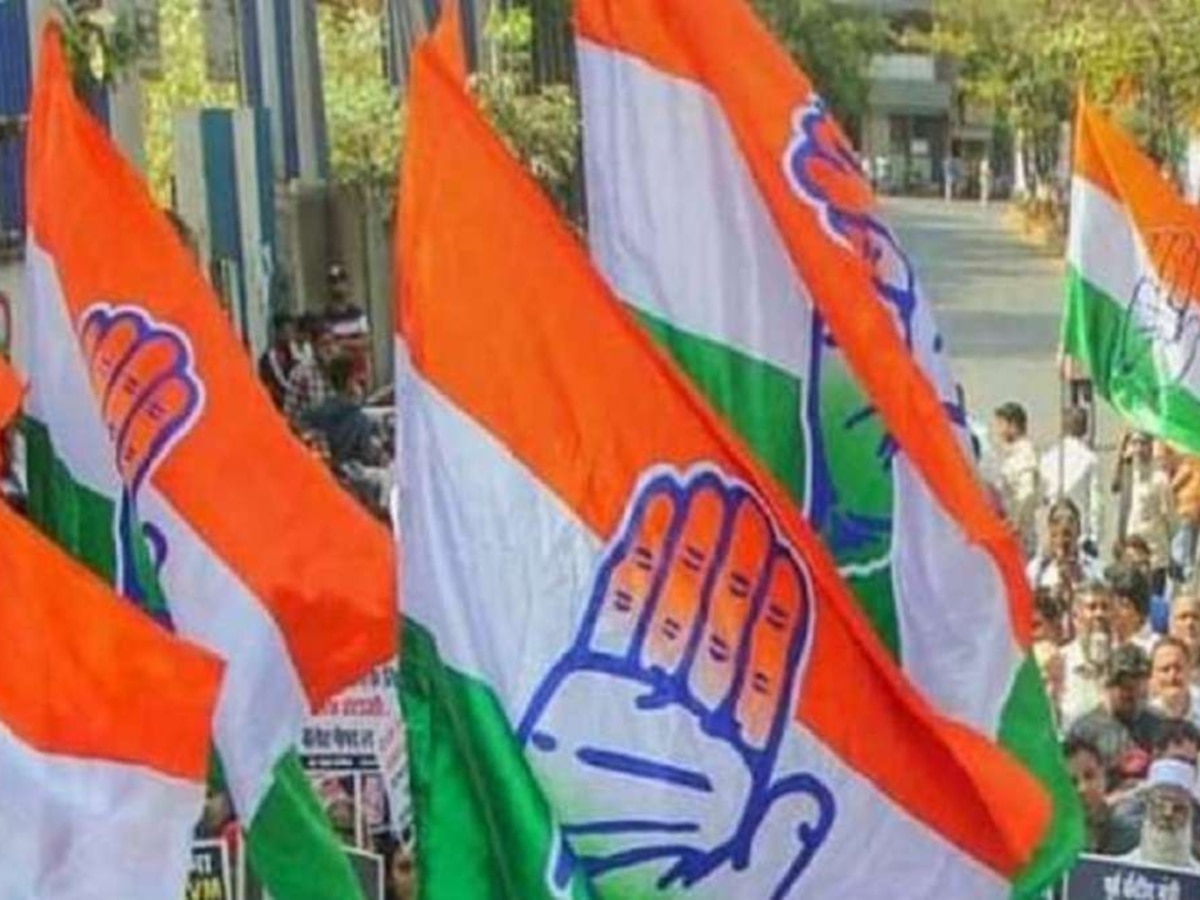
Congress Strengthens Organizational Base Ahead of 2026 Elections, Targets Independent Fight

Baby Chakraborty, KalimNews, March 3, 2025, Kolkata : In a significant message to the party workers, the Congress leadership has emphasized the need to focus on strengthening the organization in preparation for the 2026 assembly elections. During a one-day visit to Kolkata on Saturday, Ghulam Mir, the state Congress observer, underscored the importance of building the party’s foundation at the grassroots level before considering alliances with other parties. He conveyed that the party’s priority should be to enhance its own strength, positioning Congress as a key player capable of negotiating any future political collaborations.


Speaking at a political workshop at the Vidhan Bhavan, Mir stated, “We have to increase our value. We need to place ourselves in a position where, if other parties want to join with Congress, we can negotiate terms on our own.” His message was clear: Congress must first build a robust organizational structure before contemplating any compromises or alliances with other political forces.

Mir directed the workers to focus on strengthening the party at the booth level, stressing that a strong local presence is essential to mounting a successful electoral campaign. However, workers voiced concerns that during elections, the ruling party in the state often prevents Congress agents from being posted at booths, using intimidation tactics. In response, Ghulam Mir assured that the top leadership, including Rahul Gandhi, Priyanka Gandhi, or Mallikarjun Kharge, could visit Kolkata in the lead-up to the elections. However, he emphasized that a committee must first be established at the booth level for the party to move forward effectively.

The workshop also saw the participation of prominent Congress leaders, including Adhir Chowdhury, Pradeep Bhattacharya, Subhankar Sarkar, and Abhijit Mukherjee. Adhir Chowdhury and Pradeep Bhattacharya were vocal in their criticism of both the Trinamool Congress and the BJP, accusing them of engaging in communal politics that threatens the democratic fabric of Bengal.

Another key issue discussed was the “ghost voter” controversy, which has been a point of contention between the ruling Trinamool Congress and the BJP. While Trinamool has alleged that the BJP is manipulating the voter list by registering fake or “ghost” voters, Congress has taken a slightly different stance. Mir stated that the priority should be to remove the names of deceased individuals from the electoral rolls, rather than focusing solely on allegations of voter manipulation. He called for a thorough cleaning of the voter list to ensure its accuracy and integrity.

As the 2026 assembly elections approach, Congress appears focused on building a strong foundation within the state, with a clear emphasis on organizational growth and a commitment to fighting the elections independently. The leadership’s strategy to strengthen booth-level operations signals a determined push to improve the party’s performance in the upcoming polls.

Vikas Bhattacharya Criticizes Election Commission’s Response on Voter Card Issues, Trinamool Cheers on Scrutiny Efforts

Baby Chakraborty, KalimNews, March 3, 2025, Kolkata : A sharp exchange over the credibility of voter identification cards has emerged as senior CPI(M) leader Vikas Ranjan Bhattacharya criticized the Election Commission’s response to concerns surrounding multiple voter cards with the same EPIC (Electors Photo Identity Card) number. Bhattacharya, in his latest remarks, questioned the Election Commission’s defense, stating that having the same EPIC number across different names does not indicate voter fraud, especially when polling stations and assembly constituencies differ. His comments were made in light of complaints about fake voter cards and multiple identities linked to one EPIC number, which led the Election Commission to issue a clarification.


In a heated discussion on the matter, Bhattacharya emphasized the importance of thorough scrutiny by all political parties, including those in power, of the voter lists. He pointed out that the Election Commission’s current justification was misleading, arguing that during elections, election officials only check the EPIC number at booths, with no attention given to the specific polling station or booth, which can lead to discrepancies in the process. Bhattacharya further called for the Election Commission to eliminate what he described as a “weak argument” and take more effective measures to ensure the integrity of the voting process.

Meanwhile, BJP leader Shamik Bhattacharya dismissed the claims made by the ruling party about fake voter cards, labeling them as attempts to distract from the real issue. He suggested that the Election Commission’s credibility would not be shaken by such protests, adding that Trinamool Congress was orchestrating “a new drama” following the Delhi elections out of fear. The mayor of Kolkata, a prominent figure in the ruling party, has been actively involved in investigating fake voter registrations, prompting further tension on the matter.

The exchange highlights ongoing concerns surrounding voter list integrity as Kolkata approaches a crucial election period, with both the ruling and opposition parties emphasizing the importance of transparency and fairness in the electoral process.

Prashant Kishor Calls for Reform in Election Commission Appointment Process, Questions Credibility Amid Opposition Allegations

Baby Chakraborty, KalimNews, February 22, 2025, Kolkata :  Amid growing allegations of bias against the Election Commission, Jan Suraj Party chief Prashant Kishor has demanded a reform in the appointment process of the Election Commission to restore its credibility. Kishor’s remarks came today in response to recent criticisms and concerns raised by opposition parties regarding the impartiality of the Election Commission, especially after the recent appointment of an Election Commissioner.


Speaking to reporters, Kishor highlighted a change in the law regarding the Election Commissioner’s appointment, which he believes undermines the credibility of the process. He stated, “The Supreme Court had previously ordered that the Chief Justice should be included in the appointment committee. However, Modi has changed the law on this issue. If two out of the three members of the appointment committee are Narendra Modi and Amit Shah, the process is questionable, especially since Rahul Gandhi is not the third person.”

This statement comes in the wake of mounting allegations from the opposition about the Election Commission’s bias, with some questioning the credibility of Electronic Voting Machines (EVMs). Kishor addressed this concern, acknowledging that the impartiality of the Election Commissioner could indeed come under scrutiny due to the questionable nature of the appointment process. He suggested that the inclusion of the Chief Justice in the committee would have safeguarded the Commission’s credibility.

Kishor also commented on the ongoing debate about the integrity of EVMs, asserting, “I am not the kind of person to complain about rigging in EVMs. However, those who are making these complaints should be honest in their statements. When you win, the EVMs are right, and when you lose, the cards in the EVMs are silent. If there is doubt about the EVMs, then those who complain should boycott the elections.”

His comments reflect the growing concerns within the political landscape about the perceived bias and fairness of the electoral process. Kishor’s call for a change in the election process and appointment procedures aims to restore public confidence in the integrity of the system.

Suvendu Adhikari Warns of Bangladesh Merging with Pakistan Amid Rising Religious Persecution

Baby Chakraborty, KalimNews, Kolkata, February 19, 2025 : In a recent address at the ‘Bangladesh in Crisis’ event, organized by the ‘Khola Hawa’ organization at the ABC Auditorium, Kolkata, Leader of the Opposition in West Bengal, Suvendu Adhikari, expressed serious concerns over the growing political and religious tensions in neighboring Bangladesh.


Adhikari pointed out the alarming rise of radical fundamentalist forces in Bangladesh, stating that the current political climate, shaped by the pro-Pakistan BNP (Bangladesh Nationalist Party) and radical elements, could lead to severe consequences for both the country and the region. He went as far as to suggest that Bangladesh could merge with Pakistan within the next six months due to its increasing shift toward Pakistan’s influence.

At the heart of Adhikari’s remarks was the ongoing persecution of Hindus in Bangladesh. Drawing from his personal family history, Adhikari detailed how his mother, Mrs. Gayatri Bhattacharya, was forced to flee Bangladesh in 1959 due to religious discrimination. “My family, like many others, was compelled to leave their homeland simply because of their Hindu faith,” he said.

Adhikari’s address painted a grim picture of the situation for religious minorities in Bangladesh. He highlighted the dangers faced by Hindus, who are being targeted both for their religion and their political affiliations, particularly those linked to the ruling Awami League. He appealed to the Indian government to ensure that refugees fleeing such persecution are not treated harshly. “As an Indian citizen, I urge the Prime Minister to ensure that Hindus and others fleeing Bangladesh for their beliefs are not imprisoned,” he said.

In a wider context, Adhikari’s comments reflect growing concerns about the future of Bangladesh’s political landscape, which has seen a rise in radicalism. His warning about a potential merger with Pakistan underscores the shifting dynamics and the increasing estrangement from India, which could further destabilize the region.

As the situation in Bangladesh continues to evolve, the plight of religious minorities remains a critical issue that could affect relations between India and its neighboring country. 

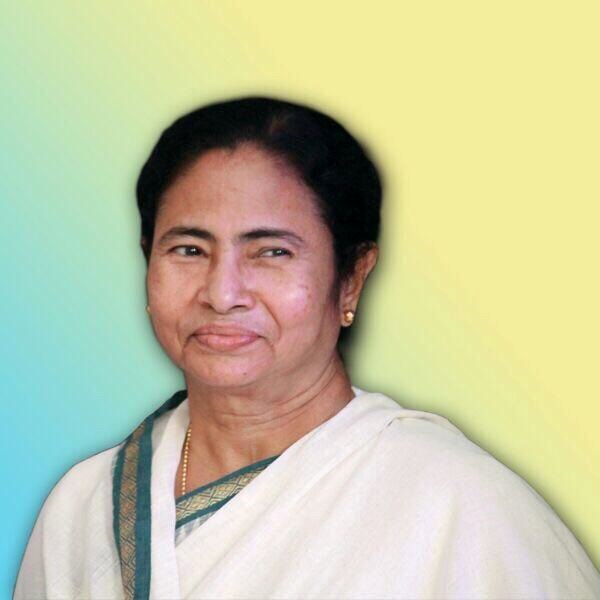
Survey Shows Growing Trust in Mamata Banerjee, TMC Poised for Gains in Upcoming Elections

Baby Chakraborty, KalimNews, February 14, 2025, Kolkata : According to a recent survey by the India Today group, trust in West Bengal Chief Minister Mamata Banerjee is on the rise, with a significant portion of the population expressing a desire to see her become the country’s Prime Minister in the near future. The survey, which was conducted rigorously across the country, reveals that Banerjee’s popularity has surged, particularly among those who admire her leadership skills and administrative experience.


The survey also highlights a promising outlook for her party, the Trinamool Congress (TMC), in the upcoming national elections. The report suggests that if the Lok Sabha elections were held today, the TMC would increase its seat count in Bengal from 29 to 30, while the BJP would not gain a single seat, remaining stuck at 12. In contrast, both the Congress and the CPM are expected to face further setbacks, with their positions in the state continuing to deteriorate.

The survey, conducted in August 2024 among prominent politicians, showed that Mamata Banerjee’s popularity has nearly doubled by the 2025 survey. This growing support indicates that many people in Bengal, and perhaps beyond, believe she is the leader with the experience and political acumen needed to lead the nation.

With Trinamool Congress currently holding 30 seats in the Lok Sabha, it is seen as only a matter of time before the party secures a dominant position in Bengal once again. Looking ahead to the 2026 assembly elections, many political analysts predict that the TMC could achieve a two-thirds majority in the state legislature, further solidifying Mamata Banerjee’s political influence in Bengal and across the country.

In stark contrast, the BJP is reportedly on a downward trajectory, with its seat count in Bengal expected to decline in the coming years. The survey results suggest that the political landscape in the state may continue to shift in favor of Mamata Banerjee and the TMC as her influence and trust among the people grow.

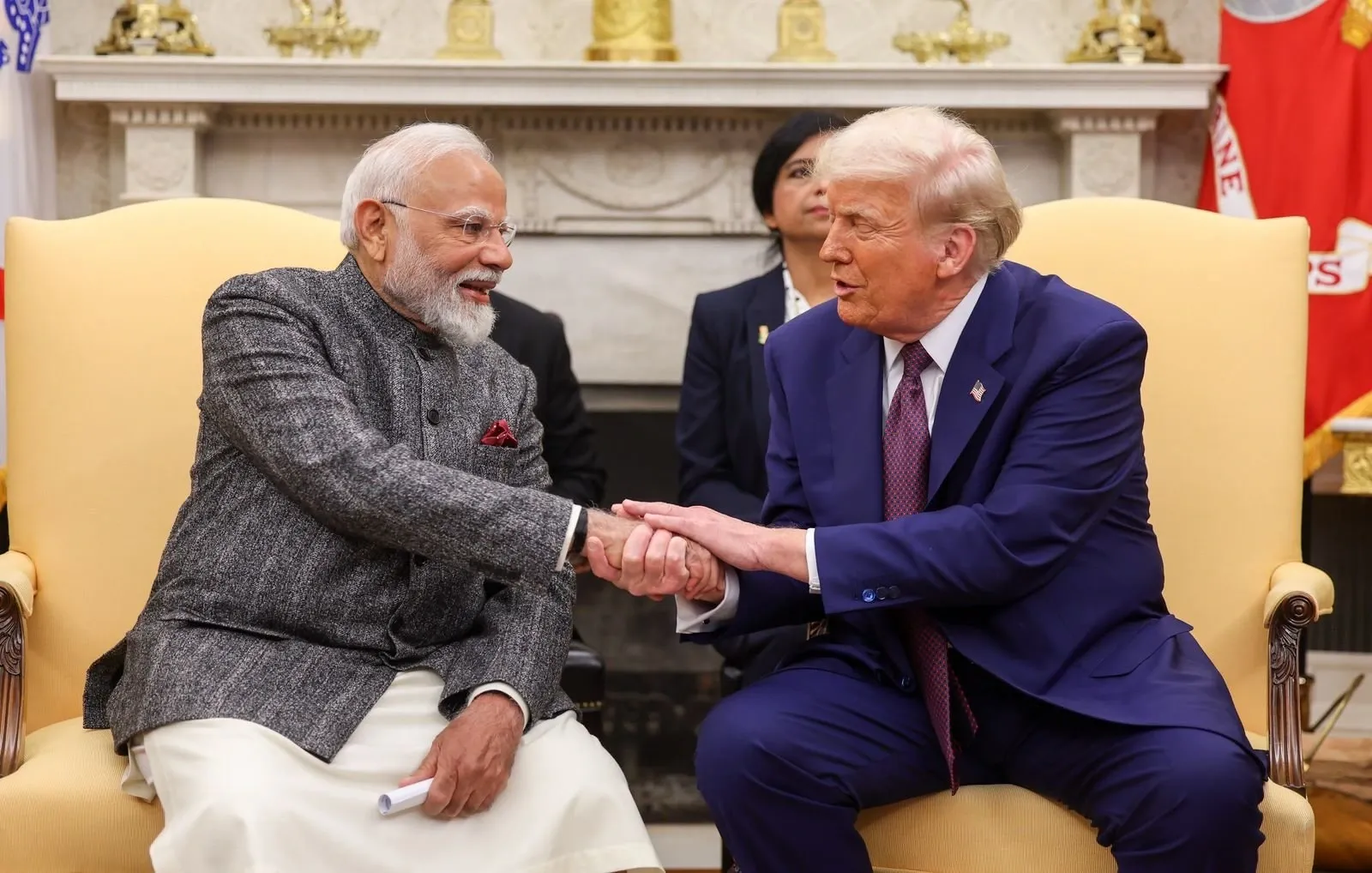
India and US Pledge to Double Trade by 2030 Following Modi-Trump Meeting

Baby Chakraborty, Delhi, February 14, 2025 : In a significant development during a three-day visit by Indian Prime Minister Narendra Modi to the United States, both leaders committed to doubling the trade between India and the US by 2030. The bilateral discussions, which took place amid a series of geopolitical and economic topics, have focused heavily on strengthening economic ties between the two nations.


Modi’s visit, while also drawing attention for his previous remarks on US President Donald Trump’s controversial immigration policies, has now been overshadowed by the trade and defense agreements announced. At a press conference following their meeting, the two leaders revealed that they had pledged a combined investment of $500 billion (approximately Rs 43,41,987 crore) in sectors such as energy, defense, and technology by 2030. The commitment aims to enhance collaboration between the two countries and increase their mutual economic growth.

Adding to the significance of this meeting, Prime Minister Modi echoed Trump’s famous campaign slogan with a new twist, saying, “Make India Great Again,” a sentiment similar to Trump’s own “Make America Great Again.” Both leaders have placed high hopes on the strengthened partnership.

One of the most notable developments from this meeting was the announcement that NASA and ISRO, India’s space agency, would collaborate on space research, highlighting growing cooperation in technological advancements. Moreover, President Trump confirmed that the US would be selling one of its most advanced fighter jets to India, reinforcing military ties between the nations amid growing regional tensions.

The discussion also touched on the ongoing trade disputes, with both parties agreeing to work together on resolving issues related to tariffs. Trump emphasized that America would continue to support India, assuring a united front on various global issues.

International analysts are optimistic about the potential positive impacts of this meeting for India’s future. However, as the world watches closely, the effectiveness of these agreements in the long term will remain to be seen.

Jaya Bachchan Voices Concerns Over Bollywood’s Neglect in Union Budget 2025 Amid Parliamentary Debate

Baby Chakraborty, KalimNews, February 13, 2025, Delhi:  In the ongoing budget discussions in the Delhi Parliament, veteran actress and Samajwadi Party MP Jaya Bachchan has raised significant concerns about the lack of attention given to the film industry in the Union Budget for 2025. Although she stepped away from acting years ago and prefers to stay out of the limelight, Bachchan has now taken a stand for the future of Bollywood.


The actress-turned-politician, known for her usually composed demeanor, became visibly upset during her speech in Parliament on Wednesday. She directed pointed questions at the government, expressing her frustration with the treatment of the film industry. Bachchan argued that Bollywood is often exploited for political gain, yet remains overlooked when it comes to meaningful support. “Bollywood is always used for vested interests, but in real time, Bollywood is neglected,” she stated passionately.

In her impassioned remarks, Bachchan highlighted Bollywood’s substantial contribution to the Indian economy, particularly its tax revenue. “Bollywood pays the highest tax in India, yet they are killing the film industry,” she declared, her voice brimming with emotion. She raised alarm over the decline of single-screen cinemas, many of which are being shut down, and pointed to the rising costs of movie tickets as a key factor driving audiences away from theatres.

Bachchan took aim at the Goods and Services Tax (GST) on cinema tickets, urging the government to consider removing it to help revive the industry. “Watching movies has become so expensive for everyone. Now stop GST on these. Do you want to kill the cinema industry?” she asked, demanding immediate attention to the issue.

Her call for a thorough discussion on the matter was clear as she concluded with a plea for the government to recognize the significant role of the cinema industry in Indian culture and economy. “You are completely ignoring the cinema industry,” Bachchan lamented, urging for a dedicated debate on the future of Bollywood in the upcoming budget sessions.

Her remarks have sparked conversations across the nation, underscoring the need for government action to protect and promote India’s film industry.

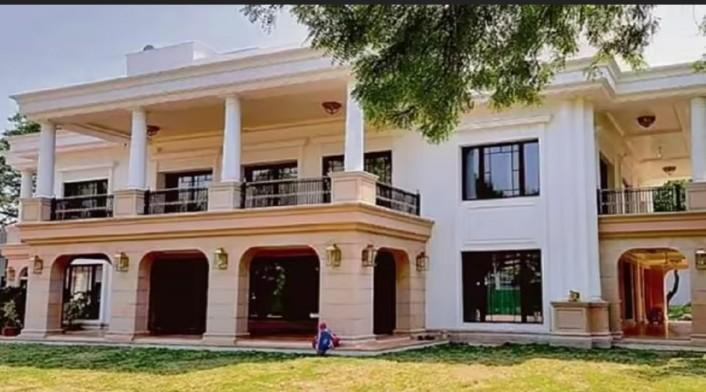
BJP Criticizes Kejriwal’s “Shishmahal,” Declares New CM Will Not Stay There

Baby Chakraborty, KalimNews, February 11, 2025, New Delhi: The Bharatiya Janata Party (BJP) has written to the Lieutenant Governor, informing him that the newly elected BJP Chief Minister will not take residence in the bungalow at 6 Flagstaff Road, which the party has dubbed the “Shishmahal of sins.” The letter, signed by BJP leader Virendra, alleges that Arvind Kejriwal, the Chief Minister of Delhi, constructed this luxurious residence through “encroachment” on the land of four other government houses. The BJP has called for the restoration of the area to its original state and stated that the new government will decide the future use of the bungalow. The property is currently under investigation in relation to the excise corruption case.


The BJP has sharply criticized Kejriwal for the lavish expenses allegedly incurred to decorate the residence. The Prime Minister has previously complained that while the nation was grappling with the COVID-19 pandemic, Kejriwal was focused on building what they call the “Shishmahal.” Kejriwal, before assuming office, had pledged not to take a government bungalow, but the BJP claims he went back on that promise by constructing the lavish residence.

The BJP alleges that Kejriwal’s residence, which was originally built on less than 10,000 square meters of land, was illegally expanded into a luxurious compound of 50,000 square meters. The BJP President has also detailed the land that has been used for this expansion. According to the party, the Chief Minister’s new residence is a symbol of extravagance, with funds supposedly misused during a time when the nation was facing a devastating pandemic.

The BJP’s stance is clear: if their Chief Minister were to come into power and reside in the very bungalow that Kejriwal built, it would raise serious questions about the image of the saffron party, especially after running an aggressive campaign against Kejriwal’s alleged misuse of resources. The party insists that the new government will not condone such lavishness and will ensure that public resources are used responsibly.

BJP Sets Sights on Bengal, Trinamool Dismisses 2026 Prospects in Retort

Baby Chakraborty, KalimNews, February 10, 2025, Kolkata : Following its parting with the Aam Aadmi Party (AAP) in Delhi, the Bharatiya Janata Party (BJP) has now shifted its focus to West Bengal, gearing up for the 2026 elections. The Union Education Minister has openly stated that the BJP’s attention is firmly on Bengal this time, signaling their intent to make significant political inroads. However, the ruling Trinamool Congress (TMC) in the state remains resolutely unimpressed and has shown little interest in entertaining the BJP’s demands.


In a spirited counter to the BJP’s ambitions, Serampore Member of Parliament, Kalyan Banerjee, issued a firm rebuttal to the BJP’s claims of a political surge in the state. He emphasized that the BJP would not hold any substantial influence in Bengal come the 2026 elections. Banerjee remarked, “BJP will have no place in West Bengal, rest assured. They will not secure 30 seats in Bengal in 2026, and they will not be able to provide the opposition leader.”

The political rivalry between the BJP and TMC has escalated with each side taking jabs at the other. The BJP’s strategy to challenge the ruling party in Bengal has been met with strong resistance, with Trinamool leaders asserting their dominance and dismissing the BJP’s future prospects in the state. As the 2026 elections draw nearer, the political tension in Bengal continues to simmer, with both parties positioning themselves for what promises to be a heated contest.

BJP’s Victory in Delhi Raises Concerns for TMC and Signals Political Shifts

Baby Chakraborty, KalimNews, February 9, 2025, Delhi: BJP is set to form the government in Delhi after a massive victory in the 2025 Assembly elections, ending a 27-year-long wait for power in the capital. While this outcome marks a significant setback for the Aam Aadmi Party (AAP), political experts suggest that it could also have implications for the ruling Trinamool Congress (TMC) in West Bengal. Despite the differences in size and characteristics between Delhi and West Bengal, the trends seen in Delhi’s election may serve as a warning sign for TMC, especially with BJP as the primary opposition.

One of the key takeaways from AAP’s defeat is the diminishing effectiveness of charity-driven politics. Arvind Kejriwal’s administration introduced several populist measures, including free bus travel for women, subsidized electricity bills up to 200 units, and even financial allowances for Hindu priests. However, this election result indicates that voters may be prioritizing governance and development over such schemes, setting a precedent that could influence political strategies in other states, including West Bengal.

Another significant factor was the shifting pattern of Muslim votes. It is believed that a portion of AAP’s traditional Muslim voter base was divided between Congress and AIMIM. While AAP’s Amanatullah Khan retained his seat in Okhla, AIMIM gained a strong foothold, securing the second position. In Mustafabad, AIMIM’s presence further fragmented the vote share, ultimately benefiting the BJP candidate. If this trend continues, it could weaken opposition strongholds in states like West Bengal, where Muslim votes play a crucial role in electoral outcomes.

AAP’s continuous confrontations with the BJP-led central government also played a role in its decline. Since coming to power, the Kejriwal administration has frequently clashed with the center, leading to policy roadblocks and withdrawal from several central projects. In a centrally controlled union territory like Delhi, such conflicts may have alienated voters who prefer cooperative governance. Similar patterns have been observed in West Bengal, where Chief Minister Mamata Banerjee has consistently opposed the central government. Analysts speculate that prolonged conflicts with the center could create political challenges for TMC in the future.

With BJP’s resurgence in Delhi, the political landscape in India is witnessing significant shifts. The implications of this victory extend beyond Delhi, posing strategic challenges for opposition parties in other states. The evolving voter sentiment and changing political dynamics will be crucial in determining the course of upcoming elections across the country.

BJP Secures Landslide Victory in Delhi Assembly Elections 2025, AAP Faces Major Setback

Baby Chakraborty, KalimNews, February 9, 2025, Delhi: The Aam Aadmi Party (AAP) has suffered a decisive defeat in the 2025 Delhi Assembly elections, marking a significant political shift in the capital. The election results, announced on Saturday, confirmed the Bharatiya Janata Party (BJP) securing a dominant position with over 45 out of the 70 seats, while AAP was confined to less than 30 seats. This outcome has sparked extensive discussions in political circles, with many analysts predicting substantial changes within AAP’s leadership and future political dynamics.

Political experts anticipate that this electoral setback may lead to a significant split within AAP, as several senior leaders, including those previously considered close allies of Chief Minister Arvind Kejriwal, could distance themselves from the party. Speculations suggest that defections might not be limited to Delhi alone, but could extend to various states where AAP holds influence. The ripple effect of this defeat is expected to impact AAP’s performance in the upcoming assembly elections in Punjab and Gujarat, potentially reshaping the party’s national standing.

AAP’s loss in 2025 stands in stark contrast to its remarkable electoral successes in previous years. The party had achieved landslide victories in the 2015 and 2020 Delhi Assembly elections, securing 67 out of 70 seats in 2015 and 62 seats in 2020. During both these terms, Arvind Kejriwal took the oath as the Chief Minister and led the government. Additionally, AAP had briefly governed Delhi in 2013 for 49 days in alliance with the Congress, marking the beginning of Kejriwal’s political tenure as Chief Minister.

With the latest election results indicating a significant shift in voter sentiment, the political landscape of Delhi is poised for transformation. The future trajectory of AAP, its leadership, and its electoral prospects in other states remain subjects of keen observation and speculation.

Delhi Awaits Results as Voting Concludes, Counting to Reveal Next Government

Baby Chakraborty, KalimNews, February 7, 2025, Delhi : Voting has concluded in the capital city of Delhi, and now all eyes are on the results as speculation swirls about who will form the next government. The fate of the candidates is locked in the EVMs, with the counting of votes set to begin at nightfall. Will the Aam Aadmi Party (AAP) secure a second term, or will there be a shift in power this time? The question has captured the attention not only of Delhi but the entire country, with debates over the outcome intensifying.


In the political waters of Delhi, opinions are sharply divided. Some believe that Arvind Kejriwal’s AAP will return to power, while others suggest that the Bharatiya Janata Party (BJP) might lead the government. A three-cornered contest has also been speculated, adding further complexity to the race. The uncertainty surrounding the outcome has prompted extensive discussions, particularly in Himachal Pradesh, where Delhi’s vote has become a focal point of national conversation.

With 70 seats in the Delhi Assembly and a magic number of 36 to secure a majority, the competition is expected to be fierce. Exit polls from various agencies have painted a picture of a closely contested battle, with BJP reportedly ahead in some surveys. However, exit polls have often been unreliable in the past, with many elections showing results that defied predictions. The most notable example being the last Lok Sabha elections, where exit polls had inaccurately forecasted a landslide victory for the Narendra Modi-led government.

As the capital’s citizens await the results, the counting tomorrow will reveal whether Delhi will see a return of the AAP-led government or if a new political shift will take place. With just one more day left, the anticipation is palpable, and the outcome will undoubtedly shape the political landscape of the region.

Superintendent of Police Inspects Tribeni Kumbh Mela Site, Ensures Safety Measures for Successful Event

Baby Chakraborty, KalimNews, February 7, 2025, Kolkata : Superintendent of Police Kamnashis Sen conducted a thorough inspection of the Tribeni Kumbh Mela grounds today, expressing concerns about the construction of the main stage and issuing strict instructions to ensure safety. The event, which attracts a large gathering of devotees and participants, is being held at the Shivpur Football Ground opposite Saptarshi Ghat, where the Kumbh flag was hoisted following a Bhoomi Puja ceremony. The stage, which is set to host cultural programs and accommodate the saints wearing akharas, has raised concerns due to its initial construction with bamboo poles and cut straw, which the Superintendent deemed unsafe.

In response to these concerns, Sen instructed the fair committee and construction officials to rebuild the stage using shalballa poles, ensuring its stability and safety. Additionally, the stage will only be cleared for use after receiving a fit certificate from the decorator, Arun Kumar Bhattacharya, who confirmed that a forty by twenty-foot stage was under construction. Bhattacharya noted that the structure could pose a risk if more than forty people were to be on it at once. The Superintendent emphasized the importance of adhering to safety standards to prevent any accidents similar to the one that occurred in Prayag.

The Superintendent of Police also discussed measures to ensure the smooth conduct of the Kumbh Mela, which will see a large crowd of devotees and saints. Acknowledging the importance of security, Sen assured the public that the police will do everything possible to prevent any untoward incidents. “We are taking extra precautions this time,” said Sen. “Our primary concern is to ensure that the Kumbh Mela remains safe and peaceful, and that no inconvenience is caused to the common people.”

The Superintendent further announced that there would be no entry to the Kumbh area starting from the 10th, with access being relaxed as needed to avoid disruptions. He also mentioned that clear pathways would be maintained for emergency vehicles like ambulances. Since the Madhyamik exams are also set to begin on the 10th, Sen assured that proper monitoring will be in place to avoid any potential conflicts.

Additionally, the police will ensure that the Naga saints, who require separate accommodations, are provided with dedicated tents rather than being housed in the refugee camp. The authorities have held several meetings with various departments, with the Sub-Divisional Magistrate inspecting the grounds alongside other officials to finalize the safety arrangements.

Kumbh Mela convener Abhinav Das expressed cooperation with the police, stating that all safety precautions would be followed in the stage’s construction, with the fit certificate provided to the authorities once issued. The event, which has already garnered attention for its scale, will continue to prioritize the safety and well-being of all involved, with the Superintendent of Police reiterating his commitment to ensuring that the Tribeni Kumbh Mela remains a safe and successful occasion for all.

Bengal BJP Leaders to Campaign for Ramesh Bidhuri in Upcoming Delhi Assembly Elections

Baby Chakraborty, KalimNews, January 28, 2025, Delhi: The Delhi Assembly elections are fast approaching, with intense political rivalry already marking the campaign season. The battle for power between the ruling Aam Aadmi Party (AAP) and the Bharatiya Janata Party (BJP) has reached new heights as leaders from both parties gear up for the final push. In a notable development, Bengal BJP leaders have joined the campaign efforts for their Delhi counterparts, with prominent figures such as Locket Chatterjee taking a lead role.


On Saturday, Locket Chatterjee, the former MP from Hooghly, addressed a public meeting and held a party gathering in support of BJP candidate Ramesh Bidhuri. The meeting took place in Kalkaji Govindpuri, a key constituency in Delhi. Ramesh Bidhuri has emerged as the BJP’s candidate in the high-stakes contest against Delhi’s current Chief Minister, Arvind Kejriwal. Bidhuri has garnered significant media attention over the years for his controversial remarks, and his candidacy has sparked debate due to his frequent comments on political opponents, including his recent remarks about Atishi and her family.

Chatterjee’s involvement in the Delhi campaign reflects the BJP’s strategic push to bolster its presence in the national capital. Additionally, Shuvendu Adhikari, a senior BJP leader from Bengal, is expected to visit Delhi to campaign on January 29 and 30. Alongside him, Agnimitra Paul, another influential female face of the Bengal BJP, is also slated to participate in the Delhi election campaign.

As the countdown to the Delhi Assembly elections continues, the competition between AAP and BJP intensifies, and the outcome of this fierce political battle is anticipated with great interest across the country.

Nitish Kumar’s Party Ends Alliance with BJP in Manipur Amid Rising Tensions

Baby Chakraborty, KalimNews, January 23, 2025, Delhi: The rift between Bihar Chief Minister Nitish Kumar’s Janata Dal (United) and the Bharatiya Janata Party (BJP) has deepened with the sudden withdrawal of JD(U) support from the N Biren Singh-led BJP government in Manipur. The unexpected move has triggered widespread speculation, particularly as the northeastern state has been grappling with months of communal violence.


JD(U) has made it clear that its decision to sever ties with the BJP government in Manipur is aimed at exerting pressure on the ruling party amid the ongoing unrest. Kesh Biren Singh, the JD(U) state president in Manipur, formally communicated the party’s decision to the Governor, as well as to Chief Minister N Biren Singh and the Speaker of the Legislative Assembly. While the JD(U) has pledged to continue supporting the BJP-led government in the state, the announcement signifies a shift in its political alignment.

This move follows the recent withdrawal of support by another key ally in the NDA coalition, the Kuki People’s Alliance (KPA), which also pulled out from backing the BJP government in Manipur. Despite these developments, the N Biren Singh government is not immediately at risk of collapse, as the BJP still holds a substantial majority in the 60-seat Manipur Assembly with 37 MLAs. Additionally, it enjoys the support of the Naga People’s Front and three independent legislators.

Nevertheless, the growing discontent within the coalition could indicate future instability, especially if opposition parties push for a no-confidence motion. For now, however, the BJP government in Manipur remains intact but under increasing pressure.