Union Health Minister inaugurates nationally significant medical infrastructure aimed at benefiting thousands of patients across West Bengal
Baby Chakraborty, KalimNews, Kolkata, January 10, 2026: Union Health Minister J.P. Nadda on Friday inaugurated a range of state-of-the-art facilities for cancer care and emergency treatment at the All India Institute of Medical Sciences (AIIMS), Kalyani, in Nadia district, signalling a major advancement in public healthcare infrastructure in eastern India. The newly launched facilities, introduced at the national level, include a remotely controlled radiotherapy unit equipped with a linear accelerator, a brachytherapy unit, an advanced CT scan system, a pneumatic transport system, and a 54-bed trauma care unit.
Following a detailed visit to the hospital, Mr. Nadda said the initiative marked the beginning of a new era in affordable and accessible healthcare, particularly for patients from rural and semi-urban areas. He stated that the facilities, developed under the Ayushman Bharat programme, would significantly reduce both the financial burden and the need for long-distance travel for specialised treatment. Highlighting the clinical benefits, the Union Health Minister explained that radiotherapy using a linear accelerator allows for precise dosage delivery, minimising side effects, while brachytherapy offers effective treatment options for prostate and gynaecological cancers. He added that the advanced CT scan and the pneumatic transport system would help accelerate diagnosis and treatment, and the newly commissioned trauma unit would play a crucial role in saving lives, especially in cases of road accidents and medical emergencies.
Mr. Nadda emphasised that hundreds of thousands of patients across West Bengal were expected to benefit from the expanded facilities, with AIIMS Kalyani emerging as a key referral centre for the region. Union Minister of State for Education Dr. Sukanta Majumdar and Member of Parliament Jagannath Sarkar were present at the inauguration ceremony. Mr. Sarkar described the hospital as a major source of relief for cancer patients from Nadia and neighbouring Murshidabad district, calling it a “haven” for those seeking advanced yet affordable care.
The Director of AIIMS Kalyani said that with the addition of the new infrastructure, the hospital would now be able to treat thousands of patients daily at its outpatient department, substantially strengthening its capacity to deliver timely and specialised medical services. The launch is expected to enhance the overall healthcare ecosystem in the state while aligning with national efforts to ensure equitable access to high-quality medical treatment.
Taherpur rally witnesses unprecedented turnout, reflecting shifting political mood
Baby Chakraborty, KalimNews, January 9, 2026, Kolkata : Trinamool Congress workers and supporters converged in large numbers at a public rally addressed by Abhishek Banerjee in Nadia district, travelling from far-flung areas to attend the event. A huge and enthusiastic crowd gathered, many of them eager simply to catch a glimpse of the Trinamool Congress’s dynamic youth leader. Among those present were Sumit Ghosh from Krishnanagar and Samar Biswas from Haringhata, reflecting the wide geographical spread of the attendees.
A particularly striking aspect of the gathering was the strong presence of the Matua community, whose electoral support has traditionally been associated with the BJP. Matuas from Hanskhali and neighbouring areas made their presence felt from the very beginning of the programme, energising the crowd with the beating of traditional drums and chants of “Haribol”, lending a distinct cultural and political resonance to the rally.
Netaji Park in Taherpur, the venue of the meeting, was overflowing with people, while the surrounding streets were also packed with supporters. As Abhishek Banerjee arrived on the stage, the scale of the turnout became even more evident. It was not just Netaji Park but virtually the entire town of Taherpur that appeared to be awash with people, with the crowd reportedly extending well beyond the usual strength of Trinamool Congress workers.
Addressing the gathering from the stage, Debashis Ganguly, president of the Nadia South organisational district of the Trinamool Congress, highlighted the significance of the turnout. “We have set a record for the largest crowd at a public meeting in Taherpur,” he declared, underscoring the party’s confidence and the growing momentum witnessed at the rally.
The event was seen as a significant political moment in Nadia, with the scale of participation and the visible involvement of the Matua community adding to its broader political implications.
Bomb threat to Governor raises alert as C.V. Ananda Bose announces public walk without security
Baby Chakraborty, KalimNews, Kolkata, January 9, 2026: As the political climate in West Bengal heats up ahead of the 2026 Assembly elections, tensions have intensified not only within the political arena but also in the relationship between the state government and the Governor. In this charged atmosphere, a serious security concern has emerged following a threat to blow up Governor C.V. Ananda Bose, prompting heightened alertness within the administration and security agencies.
According to official sources, an email threatening to “blast” the Governor was received at the Governor’s office on Thursday. The explicit nature of the message, which reportedly stated “Will blast him,” immediately triggered alarm within the administration. Lalbazar, the headquarters of Kolkata Police, was put on high alert, and the matter was promptly escalated to Union Home Minister Amit Shah, who sought a detailed report on the incident.
Following the threat, security arrangements around the Governor were strengthened overnight. At present, the Governor’s security is jointly managed by the state police and the Central Reserve Police Force (CRPF). Officials said that while Governor Bose already enjoys Z-plus category security, additional precautionary measures have been put in place in view of the seriousness of the threat.
Sources indicated that this was not the first time the Governor had received a threat of this nature. Similar warnings had surfaced in the past, but officials noted that the language used in the latest email was far more severe, necessitating a higher level of caution and preparedness.
In a move that has drawn significant attention, Governor C.V. Ananda Bose announced on Friday that he would step out onto the streets of Kolkata without any security guards. Explaining his decision, the Governor said that he places his trust in the common people of the city and believes they will ensure his safety. His announcement came despite the prevailing security concerns and the recent threat, underscoring his stated confidence in public goodwill.
Governor Bose has, on several occasions, raised concerns about the law and order situation in the state, often leading to friction with the state administration. Recently, he met President Droupadi Murmu and also released a manifesto outlining his vision and suggestions for the development of West Bengal. The Governor has maintained that this initiative is not political in nature and is solely aimed at the welfare and progress of the state.
The latest developments have further underscored the volatile environment in West Bengal as the countdown to the 2026 Assembly elections continues, with security agencies remaining on alert amid the evolving situation.
Police-led initiative at Madhyashrirampur Bhavatarini Roy Girls’ High School educates students on critical social and legal issues
Baby Chakraborty, KalimNews, Kolkata, January 7, 2026: An extensive awareness camp focusing on cybercrime awareness, the prevention of child marriage and road safety was organised on Wednesday at Madhyashrirampur Bhavatarini Roy Girls’ High School, situated under the Srirampur Panchayat in Purbasthali Block I. The programme was conducted with the objective of sensitising students to contemporary social challenges and equipping them with practical knowledge to ensure their personal safety and well-being.
The Officer-in-Charge of Nadanghat Police Station, Bishwabhandu Chattaraj, attended the programme as the chief guest and addressed the students at length. During his interaction, he elaborated on various forms of cybercrime and explained the potential risks associated with the misuse of mobile phones and social media platforms. He advised students to remain vigilant while using digital devices, to protect their personal information and to report any suspicious online activity to responsible authorities.
In addition to cyber safety, the Officer-in-Charge also spoke about the serious social, health and legal consequences of child marriage. He emphasised that child marriage is a punishable offence under the law and highlighted the long-term harm it causes, particularly to young girls. The session aimed to build awareness among students so that they could recognise, resist and report such practices.
The programme further included guidance on road safety, with special emphasis on the correct and safe methods of crossing roads while following traffic rules. IC Bishwabhandu Chattaraj provided practical demonstrations and hands-on training, helping students understand the importance of traffic discipline and personal responsibility while using public roads.
The awareness camp was organised under the supervision of the school’s headmistress, Debasmita Bhandari. Expressing her views on the initiative, she stated that such programmes play a vital role in shaping the future of students by making them informed, responsible and aware citizens. She also expressed hope that the knowledge gained through the camp would help the students make safer and more informed choices in their daily lives.
Remembrance of the Netai massacre underscores a painful chapter in Bengal’s history and the subsequent legal and humanitarian response
Baby Chakraborty, KalimNews, January 7, 2026, Kolkata : You surely remember the horrific day of January 7, 2011. On Wednesday, the Chief Minister recalled that tragic moment while paying homage to the victims through her post on the social media platform X. In her message, she wrote, “I pay my humble respects and tributes to the immortal martyrs of Netai,” reaffirming her remembrance of the lives lost in one of the most disturbing incidents in recent political history of the state.
On January 7, 2011, nine villagers were killed and several others sustained serious injuries in Netai, located in the Jhargram area, following firing allegedly carried out by armed cadres of the CPI(M). The incident sent shockwaves across the state and drew widespread condemnation, triggering demands for justice and accountability.
In the aftermath of the massacre, a significant legal step was taken on January 10, 2011. Acting on a resolution adopted at a meeting of the then executive committee of the High Court Bar Association, its then Vice-President, Sukhendu Shekhar Roy, along with the Joint Secretary, Sanjay Bardhan, filed a public interest litigation. The petition sought a Central Bureau of Investigation (CBI) probe into the Netai killings and demanded financial assistance for the families of those who were killed as well as for the injured victims.
Responding to the petition, a division bench of the Calcutta High Court, comprising the then Chief Justice Jaynarayan Patel and Justice Asim Kumar Roy, on February 18, 2011, directed that the investigation into the Netai incident be handed over to the CBI. The court also passed orders regarding compensation for the victims, directing that ₹2 lakh be paid to the families of each deceased person, ₹1 lakh to those who were seriously injured and ₹50,000 to those who had suffered less severe injuries.
Although the then Left Front government challenged the High Court’s compensation order in the Supreme Court, the country’s apex court upheld the decision, thereby reinforcing the judicial directive for relief to the affected families.
Subsequently, after assuming office in July 2011, Chief Minister Mamata Banerjee took additional steps to support the victims. Her government provided an enhanced compensation of ₹5 lakh to the families of those who lost their lives and extended financial assistance to the seriously injured, further underlining the state’s commitment to standing by the victims of the Netai tragedy.
The remembrance of Netai continues to serve as a solemn reminder of the human cost of political violence and the importance of justice, accountability and compassion in governance.
Over 1,500 trained swimmers and volunteers deployed as record crowds are expected at the annual pilgrimage
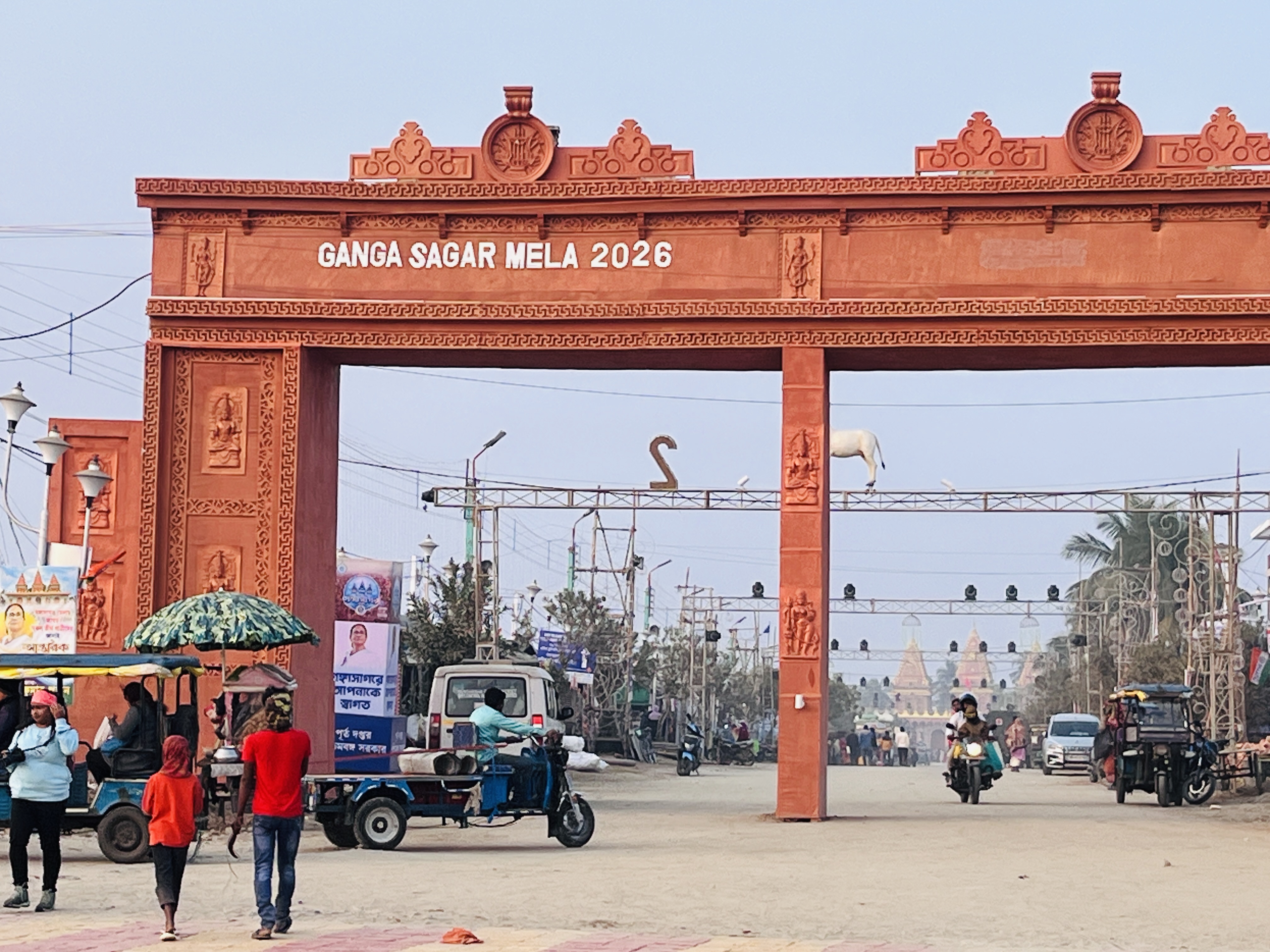
Baby Chakraborty, KalimNews, January 7, 2026, Kolkata : As in previous years, lakhs of pilgrims from different states across the country have gathered at the Gangasagar Mela grounds this year to take part in the holy pilgrimage. With a focus on preventing accidents in the sea during the sacred dip and ensuring the overall safety and well-being of devotees, Bharat Sevashram Sangha has undertaken extensive and carefully planned preparations.
Addressing a press conference on Wednesday, Swami Vishmatmananda Maharaj, General Secretary of Bharat Sevashram Sangha, announced that more than 1,500 trained swimmers and volunteers have been deployed for the occasion. He informed that the volunteers have already reached Gangasagar and are actively assisting pilgrims by guiding them appropriately, ensuring orderly movement and helping them return safely and swiftly after completing their holy dip. He further stated that hundreds of experienced swimmers, equipped with life jackets at all times, remain stationed in the sea to respond immediately to any emergency situation.
Swami Vishmatmananda Maharaj also highlighted that night shelters with the capacity to accommodate more than 5,000 pilgrims have been set up to provide relief and comfort to devotees. In addition, comprehensive arrangements have been made for first-aid services, around 200 toilets for sanitation, and ambulance facilities to ensure the rapid transportation of critically ill patients to hospitals in case of emergencies.
He further informed that free cooked meals will be served to more than 10,000 pilgrims every day. According to him, there is an apprehension that this year’s Gangasagar Mela will witness a record turnout, surpassing the crowds seen in previous years.
Overall, Bharat Sevashram Sangha continues to play a pivotal role in the Gangasagar Mela by ensuring the safety, essential services and humanitarian support of pilgrims, thereby contributing significantly to the smooth and secure conduct of one of the country’s most revered religious gatherings.
Baby Chakraborty, KalimNews, January 6, 2026, Kolkata : In a fiery press conference held at the BJP office in Salt Lake, Leader of the Opposition Suvendu Adhikari launched a scathing attack on the state government, accusing it of negligence towards tea garden workers, administrative irregularities, and the flawed process surrounding voter list revisions. Adhikari’s statements on Monday underscored a series of critical issues affecting the state, particularly the ongoing crisis in tea gardens, the non-implementation of the Forest Rights Act, and concerns surrounding the SIR (Systematic Voter Registration) process.
One of the most prominent points raised by Adhikari was the financial crisis faced by tea garden workers, particularly in the Alipurduar and Jalpaiguri districts. According to the opposition leader, workers in several tea gardens across the region have not received their salaries for the past four to five months. The gardens, which include well-known estates such as Madhu, Varnabari, Lankapara, Ramjhor, Chamurchi, Ambari, Devpara, Mogalkata, Red Bank, and Raipur, are either shut down or struggling to stay afloat due to severe financial issues. Adhikari strongly criticised the state’s Labour Department for its failure to address the salary arrears, demanding that the government immediately clear the backlog of unpaid wages.
Further accusing the Trinamool Congress-led government of putting the livelihoods of thousands of workers at risk, Adhikari claimed that the administration’s plan to allow commercial use of 15 to 30 percent of tea garden land would have catastrophic consequences for the tea industry. He warned that this move could undermine the industry’s future and place even more pressure on workers who are already struggling to make ends meet.
Turning his attention to the Forest Rights Act, a law passed in 2006, Adhikari lamented the lack of its implementation in West Bengal. The Act, which was designed to provide land rights and ownership to tea garden workers, has not been enforced in the state, according to the BJP leader. He went so far as to state that the law is effectively ignored in West Bengal, unlike the rest of the country, and that this failure deprives tea garden workers of their rightful land ownership and protections under the law. Adhikari also criticised the prevalent lease and tenancy system, which he claimed strips workers of their fair rights.
The issue of voter list amendments was another key concern raised by Adhikari. He highlighted the risk that many tea garden workers, particularly those in remote areas such as Darjeeling and North Bengal, might be excluded from the voter list due to the lack of essential documentation, such as birth or educational certificates. Citing a written appeal by Darjeeling MP Raju Vishara to the Election Commission, Adhikari called for the documents under the Forest Rights Act to be accepted as valid proof for voter registration to prevent the disenfranchisement of tea garden workers.
While Adhikari expressed support for the SIR process in principle, arguing that it is crucial for maintaining a transparent voter list, he also raised concerns about potential irregularities. He pointed out that between 2014 and 2024, the voter list in the state had increased by approximately 1.24 crore, which, he claimed, suggested a demographic shift. Moreover, he accused the ruling government of attempting to manipulate the voter list by adding fake names through fraudulent means, including the illegal issuance of domicile and birth certificates.
In the same breath, Adhikari also lashed out at the state’s administrative practices, alleging widespread irregularities in high-level appointments. He referred to a letter from the UPSC that highlighted violations of recruitment rules in top administrative appointments. According to Adhikari, the government was appointing junior officers to crucial positions, sidelining experienced officials, and enabling illegal activities by providing administrative protection to those involved.
Concluding the press conference, Adhikari made it clear that the BJP would take legal action if it found evidence of fake or deceased voters being added to the list. He expressed his party’s readiness to approach the Supreme Court if necessary, reaffirming that the issue of tea garden workers and their rights was not a matter of politics, but one of justice and fair treatment. He pledged to continue fighting for the protection of democratic rights and the rightful claims of tea garden workers.
Baby Chakraborty, KalimNews, January 2,, 2026, Kolkata :In a significant breakthrough in the fight against corruption, the Enforcement Directorate (ED) has filed a charge sheet in a sand smuggling case involving multiple individuals and companies, including Arun Sharaf, the owner of GD Mining. The charge sheet, presented on Saturday in the ED’s special court at Bankshall, implicates 14 companies in total. This legal filing comes within 60 days of the arrests made during the ongoing investigation.
The ED’s investigation has uncovered evidence of financial misconduct amounting to a staggering 145 crore rupees. According to the agency, these funds were transferred through a network of 14 companies, including GD Mining, with Sharaf at the helm. Sharaf, arrested by the ED on November 6, 2025, is accused of using his position to amass significant profits by blatantly ignoring the regulations set by the West Bengal Sand (Mining, Transport, Storage and Sale) Act (WBMDTCL).
The charge sheet outlines the various fraudulent methods employed by Sharaf and his associates. It is alleged that he misappropriated at least 79 crore rupees in government funds. Furthermore, discrepancies in the financial records of GD Mining have raised red flags. According to the ED, the company’s bank account shows a total deposit of 130 crore rupees in the 2024-25 financial year, yet only 103 crore rupees of that amount was generated from legitimate sand sales.
The investigation presents a detailed picture of a complex operation involving not only GD Mining but also several other companies implicated in sand smuggling. One of the primary allegations is the misuse of truck permits. While specific truck numbers were authorised for transporting sand, these same numbers were reportedly reused across multiple trucks, allowing illegal sand smuggling to take place undetected by authorities. The fraudulent activity was compounded by allegations of forged QR codes on the sand extraction permits.
The ED’s charge sheet, filed after an exhaustive investigation into these irregularities, paints a damning picture of corruption and systemic fraud. As the investigation continues, more details are expected to emerge, further implicating those involved in this sprawling illicit operation.
Baby Chakraborty, KalimNews, January 2,, 2026, Kolkata :The Trinamool Congress office in the Dogachia area of the Purbasthali North Assembly constituency has been locked for over two and a half years due to escalating internal factionalism within the party. This prolonged closure has caused significant disruption, with party workers now holding meetings under trees or in open fields, a reflection of the deepening divide within the local leadership.
Reports suggest that two locks have been placed on the main gate of the office by rival factions within the party, with neither group willing to back down. The inability to use the office has created operational difficulties for party workers, who are facing increasing hardship in carrying out their duties. Local Trinamool leaders claim that despite numerous attempts to bring the matter to the attention of senior party figures, no action has been taken to resolve the situation.
Purbasthali Uttar Assembly Constituency MLA Tapan Chatterjee and State Minister Swapan Debnath have reportedly been informed about the office’s closure multiple times. However, there has been no solution offered to date. Mrinal Kanti Sarkar, the Dogachia Region Trinamool President, publicly addressed the issue for the first time last Friday. He confirmed that the office had been locked for two and a half years due to factional disputes and expressed frustration at the lack of intervention from the district leadership. Sarkar suggested that only All India Youth Congress President Abhishek Banerjee could mediate and resolve the conflict.
A number of party workers, including booth presidents, have voiced their anger at the current state of affairs. They argue that the internal divisions have rendered the local Trinamool organisation virtually inactive. The situation is further compounded by claims that the conflict has severely hampered the party’s ability to function effectively in the region.
It is important to note that Dogachia Gram Panchayat is currently under the control of the Trinamool Congress, and the party’s victory in the constituency came with a significant majority in recent elections. However, the ongoing factionalism has sparked concerns about the party’s future in the area.
The local BJP leadership has weighed in on the matter, claiming that the conflict between the two Trinamool factions stems from disputes over the distribution of ‘cuts’ from development funds. These allegations point to the possibility of financial motives underlying the rift, further intensifying the political tension.
Abhishek Banerjee, who is expected to visit East Burdwan district in the coming weeks, may soon find himself at the centre of this growing dispute. Sources suggest that a faction of Trinamool workers from Dogachia is preparing to raise the issue of the locked party office during Banerjee’s visit, hoping for a resolution. As the situation unfolds, political circles are closely watching the developments, with both Trinamool and BJP leaders discussing the implications of this internal strife on the party’s influence in the region.
Baby Chakraborty, KalimNews, January 2, 2026, Kolkata :The West Bengal BJP has raised serious allegations of widespread corruption in the distribution of flood relief funds in Malda district in 2017, unveiling a report submitted by the Comptroller and Auditor General (CAG) of India. The report, which was presented at a press conference on Saturday at the BJP state office in Salt Lake, was submitted to the Calcutta High Court under its orders. It exposes massive financial mismanagement and fraudulent practices within the relief distribution process.
BJP state spokesperson Advocate Debjit Sarkar disclosed that the CAG report was filed in response to two Public Interest Litigations (PILs)—WPA(P) 316 of 2021 and WPA 375 of 2022—and sheds light on the scale of the embezzlement during the 2017 floods. The floods, which affected several blocks in Malda district, caused severe hardship for residents of Harishchandrapur 1 and 2, Ratua 1 and 2, and Chanchal. However, the report alleges that a section of local Trinamool Congress leaders, in collaboration with administration officials, misappropriated the funds that were meant for the relief of these very residents.
According to the CAG’s findings, a staggering amount of relief money was deposited into the bank accounts of 6,965 individuals, some of whom received payments multiple times—ranging from 2 to 42 withdrawals per person. A particularly striking example highlighted by the report was that of a Trinamool party worker from Harishchandrapur-2, who withdrew relief funds 42 times. The District Magistrate’s report, which stated that no pucca houses had been damaged, stands in direct contradiction to the CAG’s findings. The audit claims that approximately 7.5 crore rupees were embezzled under the false pretext of damage to property.
The CAG report further uncovered that 1.11 crore rupees were embezzled in Old Malda block, where there were no beneficiaries listed, and no records of ‘C Form’ documents, which were allegedly lost during office transfers. The report also notes that no police complaints were filed regarding the supposed loss of these documents.
In addition to the widespread fraud, the BJP also raised allegations that 108 influential Trinamool leaders and government officials unlawfully diverted more than 2.5 crore rupees in relief funds designated for Below Poverty Line (BPL) families. The report highlights that 6,605 individuals who were not on the BPL list were unlawfully given additional relief payments, amounting to a 7.3 percent increase in funds distributed.
Further discrepancies were revealed in the case of 83,874 individuals on the government’s relief list. The CAG found that for about 25,110 people, no inspection of damage had been carried out, yet relief was allocated in their names. Advocate Sarkar emphasized that these findings suggest systemic corruption in the way relief funds were distributed, with neither proper verification nor accountability.
Additionally, the BJP spokesperson pointed out that the state government has failed to submit utilization certificates for substantial amounts of central grants. According to the CAG report, the Panchayat and Rural Development Department still has dues of about 81,839 crore rupees, while the School Education Department owes approximately 36,850 crore rupees in unaccounted funds. These discrepancies, along with the violation of Article 204 of the Constitution—where substantial government expenditure occurred without the approval of the Legislative Assembly—further exacerbate the allegations of financial mismanagement.
Advocate Sarkar claimed that the corruption exposed in the CAG report is not limited to Malda alone, alleging that similar embezzlement occurred during other natural disasters such as Cyclone Amphan and Cyclone Bulbul. The BJP also accused the ruling Trinamool government of orchestrating a “drama” in some cases, where money was refunded after the CAG’s investigation began, using fake applications to cover up the fraud.
In conclusion, the BJP spokesperson stated that the CAG report has shattered the Trinamool Congress’s claims of transparency and integrity. He called for accountability, urging that those responsible for financially harming the state and depriving the common people of their rightful relief should answer to the public. He further declared that the 2026 assembly elections would serve as a decisive democratic battle for the people of Bengal against the alleged corruption, and the BJP is committed to leading this fight for a cleaner, more transparent governance.
Baby Chakraborty, KalimNews, December 29, 2025, Kolkata : The 70th edition of the Banipur Folk Festival, held in the town of Habra, has officially kicked off, securing its place as the second largest fair in West Bengal, right after the famed Santiniketan Poush Mela. This year’s edition has seen a tremendous turnout, with a large crowd flocking to the festival grounds on its opening day, as the event is set to run until January 4th.
Spanning a vast area, the Banipur Folk Festival is a celebration of West Bengal’s rich cultural heritage, with an array of events, performances, and stalls that captivate visitors from all walks of life. Approximately 1,500 stalls have been set up this year, offering everything from local handicrafts and artisanal products to mouth-watering Bengali cuisine. The fair has quickly become one of the most anticipated events of the year, drawing people from Habra and surrounding districts.
A significant aspect of the festival is its cultural programs. Folk music, dance, and performances are showcased daily on multiple stages spread across the fairgrounds, bringing together artists from various regions of the state. Visitors can enjoy a variety of traditional Bengali performances, contributing to the festive atmosphere of the event. The fairgrounds are adorned with elements of Bengali culture, from artistic displays to a selfie zone that has been attracting visitors who want to capture memories of the vibrant event.
This year’s fair also boasts a special exhibition that continues to be a major draw for attendees, with a wide range of displays focusing on the region’s diverse culture and heritage. In addition to cultural exhibitions, there are also amusement rides, making it a perfect destination for families and thrill-seekers alike.
To ensure the safety and smooth running of such a large-scale event, the Barasat District Police and the district administration have put in place stringent security measures. Surveillance is being closely monitored with the installation of 62 CCTV cameras at strategic locations around the fairgrounds. Plainclothes officers have also been deployed to ensure quick action in the event of any disturbances. In a special move to enhance safety, a “Pink Van” dedicated to women’s safety, along with a team of police personnel, is patrolling the area.
The festival’s organisers, along with local authorities, have expressed their commitment to maintaining a secure environment, ensuring that visitors can enjoy the fair without any concerns. As in previous years, the event continues to foster a sense of community and cultural pride, while drawing thousands of visitors to experience the warmth and hospitality of the people of Habra.
In a statement, Habra Municipality Chairman Narayan Chandra Saha highlighted the significance of the Banipur Folk Festival, noting that the event kicked off with a colourful rally spanning approximately three kilometers, featuring a range of cultural performances. The fair is expected to attract even larger crowds in the coming days as it continues to celebrate the rich traditions of West Bengal.
Overall, the Banipur Folk Festival stands as a testament to the state’s vibrant culture, bringing together people from all corners to celebrate the unity, diversity, and heritage that make West Bengal truly special.
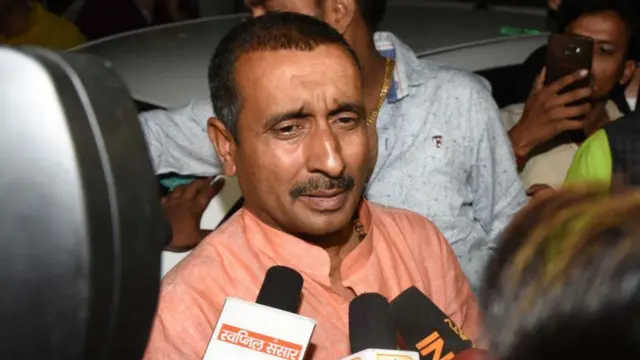
Baby Chakraborty, KalimNews, December 29, 2025, Kolkata : In a significant development, the Supreme Court of India has stayed the bail order granted to Kuldeep Singh Sengar, the expelled BJP MLA convicted in the Unnao rape case. The decision follows an appeal from the Central Bureau of Investigation (CBI), which challenged the Delhi High Court’s decision to grant bail to Sengar. The hearing took place on Monday, during which the apex court scrutinised the matter in detail.
The Supreme Court, in its ruling, noted that Kuldeep Sengar is currently serving a sentence for another unrelated conviction, making it impossible to grant him bail at this juncture. The Court also issued a notice to Sengar, requesting him to present his views on the objections raised by the CBI. This marks a temporary halt to the High Court’s bail order, effectively ensuring that the accused remains in custody.
In the course of the hearing, former Supreme Court Justice Markandey Katju stirred controversy by arguing in favour of granting bail to Kuldeep Sengar. Justice Katju stated that Sengar had already served more than eight years in prison, and, in his view, the Delhi High Court’s ruling was not a final judgment, but merely an interim order. He suggested that the court had only considered one aspect of the case—whether Sengar, as a public official, could be prosecuted under the Protection of Children from Sexual Offences (POCSO) Act.
Katju further argued that the High Court had not yet concluded whether the complainant was a minor at the time of the alleged crime or whether Sengar was guilty. In his opinion, if it took another ten years for the final verdict to be reached, and if it was later found that the trial court’s decision was incorrect, who would be held responsible for the 18 years Sengar had spent in jail?
In response to these arguments, the CBI presented its objections, which the Supreme Court duly considered before staying the bail. The Court’s decision was met with appreciation from the victim’s legal counsel, who expressed gratitude to the Supreme Court for intervening. The victim’s lawyer remarked, “We thank the Supreme Court for its clear instructions. The accused will not be released under any circumstances, and the bail granted by the High Court has been stayed. The opposing party has been given time to submit a counter-affidavit, and until then, Kuldeep Sengar will remain in jail.”
This ruling is a crucial step in the ongoing legal battle concerning the Unnao rape case, which has attracted widespread attention across the country. The case has raised questions about the role of influential figures in the legal system and the speed at which justice is dispensed in such high-profile matters. The Supreme Court’s intervention reinforces the importance of upholding due process, ensuring that justice is delivered without undue delay.
Mayor expresses confidence despite large-scale deletions flagged during Special Summary Revision process
Baby Chakraborty, KalimNews, December 15, 2025, Kolkata : Kolkata Mayor and senior Trinamool Congress leader Firhad Hakim on Sunday projected strong confidence about his electoral prospects in the Kolkata Port Assembly constituency, even as concerns mount over the deletion of a significant number of names from the voter list during the ongoing Special Summary Revision (SSR) process. Responding to questions from reporters after attending a special programme in his constituency, Hakim asserted that no leader from the Bharatiya Janata Party (BJP) would be able to defeat him, regardless of developments surrounding the electoral rolls.
Referring to reports that nearly 64,000 names are set to be removed from the voter list in his constituency, Hakim said such measures would not affect his political standing. “They cannot defeat me by removing names from the list. No one has been born in the BJP who can defeat me in the Kolkata Port Assembly constituency,” he remarked, underscoring his belief in continued public support.
However, developments on the ground suggest a more complex situation. At the outset of the SSR process, complaints began surfacing from a section of Booth Level Officers (BLOs) in the port area. These officials alleged that attempts were being made to forcibly include the names of deceased voters in the electoral rolls. Some BLOs also claimed they were threatened with death if they did not comply, prompting demands for security.
Subsequently, after enumeration forms were submitted, sources within the Election Commission indicated that the scale of deletions was substantial. In two Kolkata Assembly constituencies—Chowringhee and Jorasanko—the names of approximately one in every three voters are reportedly being removed from the list. In addition, in nine other Assembly constituencies across the city, nearly one in every five voters is expected to be deleted.
Political observers note that such large-scale revisions are a cause for concern for the ruling party, as they could have electoral implications in several key constituencies. While Hakim has publicly downplayed the impact and maintained an assertive stance, the unfolding voter list revisions and the allegations raised during the SSR process continue to draw attention and scrutiny in the city’s political landscape.
Homecoming of Khaleda Zia’s son expected to reshape political momentum ahead of national polls
Baby Chakraborty, KalimNews,December 15, 2025, Kolkata : At a critical juncture in Bangladesh’s political landscape, Tarique Rahman, son of former Prime Minister and Bangladesh Nationalist Party (BNP) chairperson Khaleda Zia, is set to return to his homeland after years in exile, a development widely seen as highly significant ahead of the forthcoming general elections. Khaleda Zia is currently seriously ill, and with national polls looming, the timing of her son’s return has drawn intense political attention.
According to BNP sources, Tarique Rahman is expected to arrive in Dhaka from London on Christmas Day, December 25. Party leaders have described this as his return after a prolonged absence, with references made to both 14 and 17 years away from the country. If the plans proceed as scheduled, his homecoming will mark one of the most consequential moments for the opposition party in recent years.
Preparations within the BNP are already in full swing to accord Tarique Rahman a grand reception. Senior party figures had earlier hinted that he could be projected as the BNP’s prime ministerial candidate in the national elections expected to be held in February. Political observers believe that his physical presence in the country will significantly intensify the electoral contest and alter the dynamics of the campaign.
BNP Secretary General Mirza Fakhrul Islam Alamgir confirmed the development on Friday night, triggering a surge of enthusiasm among party leaders and grassroots workers. Following the confirmation, BNP leaders stated that supporters from across the country are expected to converge on Dhaka to welcome Tarique Rahman. The planned reception is set to stretch from the airport area through key city zones such as Gulshan and Banani, reflecting the scale of mobilisation anticipated by the party.
With Khaleda Zia’s health a matter of national concern and the general elections fast approaching, Tarique Rahman’s return is being viewed as a pivotal moment for the BNP. His arrival is expected not only to energise party ranks but also to sharpen political competition in what is shaping up to be a closely watched and highly charged electoral season.
Trinamool leader suggests wider conspiracy as inquiry ordered into stadium incident
Baby Chakraborty, KalimNews,December 15, 2025, Kolkata : Senior Trinamool Congress leader and state general secretary Kunal Ghosh on Sunday escalated the political narrative surrounding the recent incident at Yuva Bharati Krirangan by alleging that forces beyond West Bengal, including possible links to Delhi, may have been involved in an attempt to tarnish Kolkata’s image. His remarks have added a fresh political dimension to an episode that has already sparked widespread debate across the state.
Referring to what he described as the “strange politics of Bengal”, Ghosh remarked that everything—from religion to sports—is increasingly being drawn into political controversy. He cited the ongoing public discussion over why Kolkata failed to host a warm welcome for football icon Lionel Messi while Hyderabad managed to do so, a comparison that has continued to fuel criticism and questions. At the same time, concerns have been raised over the selective nature of police action following the incident, with questions being asked as to why only one individual, Shatadru, was arrested, while no action was taken against the state’s Sports Minister.
Taking the issue further, Ghosh went beyond the state’s borders and pointed directly at the national capital. He called for an investigation into whether the private organiser of the event had any links with what he termed “conspirators in Delhi” who, he suggested, might have sought to deliberately damage Kolkata’s reputation. He reiterated that, immediately after the incident at Yuva Bharati on Saturday, he had raised concerns about the presence of saffron flags inside the stadium and had strongly criticised the Bharatiya Janata Party in this context.
Following the incident, Chief Minister Mamata Banerjee announced the formation of an inquiry committee headed by a retired judge. Referring to this decision, Ghosh said that the Chief Minister had taken all necessary steps and that, in view of the inquiry, he would refrain from making detailed comments on the incident itself. However, he added that it was important for the probe to also examine whether the private organiser had been required to coordinate with BJP-ruled states or any entities linked to the central government in order to conduct the event.
Ghosh went a step further by questioning whether there had been a larger, externally orchestrated conspiracy aimed at maligning Kolkata. He said there was ample scope for investigators to examine whether the organiser maintained any connection with individuals or groups based in Delhi who may have played a role in the controversy.
Meanwhile, sections of the public have reacted critically to Ghosh’s remarks, observing that politics continues to dominate the discourse around the incident. Many citizens have argued that unless the issue is discussed with an open mind and without political overtones, the true root cause of the problem will remain unresolved.
KalimNews with inputs from IPR, Gangtok, December 12, 2025 : The curtain-raiser event for the much-anticipated “Sikkim – The Silk Route Drive: Reviving the Ancient Route – Super Car Route” took place in Gangtok, marking the arrival of a convoy of 17 high-performance supercars. This thrilling procession signals the start of a three-day luxury motoring expedition across the pristine Himalayan landscapes of Sikkim, as part of an extraordinary initiative that combines cutting-edge automotive technology with cultural heritage.
The Super Car Rally, which kicked off on December 12, is the second leg of a larger event running from December 11 to 15, 2025. It is being held in collaboration with the Government of Sikkim, the Black Cat Division under the aegis of the Trishakti Corps of the Indian Army, and is spearheaded by the Mumbai-based Super Car Route Group. The rally began in Siliguri, West Bengal, before entering Sikkim on the same day, and has captured the attention of both locals and tourists alike as the convoy of sleek Lamborghinis, Porsches, and other exotic cars roared along National Highway 10 (NH-10), which was closed to public vehicles for the day.
As the convoy traversed the winding mountain roads, the thunderous sounds of the supercars echoed across the valley, injecting a fresh energy into the otherwise serene landscape. Spectators gathered along the route, awestruck by the display of power, precision, and speed, as the high-end vehicles manoeuvred through the challenging terrain. The procession not only brought attention to the state’s natural beauty but also symbolised a fusion of modern luxury with the age-old legacy of the Silk Route.
The convoy passed through areas impacted by the recent Glacial Lake Outburst Flood (GLOF), starting at Birik Dara. This part of the route highlighted the region’s topographical challenges, with participants observing the ongoing recovery efforts in the affected zones. Local communities’ resilience in the face of adversity was evident as the vehicles advanced through the landscape, where restoration work continues to recover the damaged areas.
To facilitate the smooth passage of the convoy, the National Highways and Infrastructure Development Corporation Limited (NHIDCL) carried out extensive road restoration work. In just three days, a stretch of about 350 metres of road at the 27th–28th Mile section was upgraded from its previous earthen condition. Similarly, slope protection works, including the installation of anchor bars, high-tension wire mesh, and drainage systems, are being undertaken at KM 2 (Kalijhora) to ensure the safety and stability of the highway.
The rally passed the Teesta River and headed towards Rangpo, where the official flag-off ceremony for the Sikkim leg of the rally is set to take place. The grand entry of the supercars in the state created waves of excitement across Gangtok, with locals eagerly lining the streets to catch a glimpse of these gleaming machines, a testament to Sikkim’s growing appeal as a hub for luxury tourism.
The curtain-raiser event at Gangtok was graced by Mr Tshering Thendup Bhutia, the Minister of Tourism, Civil Aviation, and Commerce & Industries, Government of Sikkim, who was the Chief Guest. In his address, the Minister emphasised the significance of the event, noting that the rally, which is self-funded and self-driven, is a powerful showcase of Sikkim’s potential to host premium tourism experiences. He also highlighted the collaborative efforts between the Government of Sikkim, the Indian Army, and the Super Car Route Group in making the event a reality. The Minister stressed the importance of safety, sustainability, and responsible travel as core values driving the initiative, underscoring that it aligns with the state’s commitment to fostering responsible tourism.
The rally’s arrival also marked an important milestone in Sikkim’s growing prominence as a destination for high-end experiential tourism. The event, which blends modern mobility with the region’s historic Silk Route legacy, is a compelling representation of how the state is positioning itself as a premier destination for luxury motoring, offering a perfect mix of adventure, culture, and natural splendour.
Mr Tshering Wangchuk Lepcha, Additional Political Secretary for East District (Gangtok), welcomed the participants and delivered a briefing on the immense tourism potential of the Silk Route Drive. The event also included a traditional ceremony where Khada, a ceremonial silk scarf, was presented to all the rally participants as a symbol of Sikkim’s hospitality.
Mr Zain Rais, Founder and Chief Planner of The Supercar Route, shared his excitement about the rally, describing Sikkim’s scenic mountain roads and cultural richness as key attractions for the participants. He also interacted with local children at the event, encouraging them to dream big and pursue their aspirations without limitations.
The rally participants represent a diverse array of professionals from fields such as entrepreneurship, finance, logistics, real estate, exports, manufacturing, and technology. The rally participants included Mr Abhay Aggarwal, Mr Shubham Kirodian, Mr Viren Mirani, Mr Parag Rajda, Mr Khushrooh Olia, Mr Vaibhav Thakkar, Mr Vivek Soni, Mr Jayesh Thakkar, Mr Abhishek Shah, Mr Nikhil Dharia, Mr Divyanshu Patel, Mr Krysh Bajaj, Mr Aldrin Gomes, Mr Samir Bhatia, Mr Avinash Pahuja, and Mr Shantanu Rajda, representing diverse professional backgrounds spanning entrepreneurship, finance, logistics, real estate, exports, manufacturing, and technology.
A cultural segment added a unique touch to the event, showcasing the rich and harmonious diversity of Sikkim through performances of Lepcha, Bhutia, and Nepali traditional dances. The event also featured a traditional yak dance, leaving a lasting impression on the rally participants and guests.
The evening’s festivities were further enlivened by a musical performance from Neetesh Jung Kunwar, whose soulful melodies added a festive charm to the occasion, which was also part of the Orchid Festival celebrations.
The programme was attended by several prominent dignitaries, including Mr Delay Namgyal Barfungpa, MLA-cum-Advisor for the Food & Civil Supplies and Urban Development Departments; Ms Pamin Lepcha, MLA-cum-Advisor for the Social Welfare Department; Mr Aditya Golay (Tamang), MLA for the Soreng–Chakung Constituency; Brigadier Suraj Bahan; and Mr Tushar G. Nikhare, District Collector, Gangtok, along with other senior officials and local leaders. Ms Mona Gurung, Coordinator of Aquatech Bliss Pvt. Ltd. (Himalayan Oxy), also addressed the gathering, highlighting her product and appreciating the organisers for bringing together such a distinctive and forward-looking event.
The curtain-raiser concluded with a vote of thanks from Mr Karma Jigmee Bhutia, Vice President of OMAS, who expressed gratitude for the cooperation and support of all stakeholders involved in organising the event.
Earlier, the convoy of 17 high-performance supercars, after entering Sikkim, was ceremonially flagged off from the Atal Setu Bridge in Rangpo by Mr CS Rao, Additional Chief Secretary of the Government of Sikkim, alongside other dignitaries. The event continues to highlight Sikkim as one of India’s premier scenic destinations for elite motoring experiences, blending adventure, culture, and luxury in the heart of the Himalayas. The Super Car Rally, a self-funded and self-driven initiative, is being organised in collaboration with the Government of Sikkim and the Black Cat Division under the aegis of the Trishakti Corps of the Indian Army, and is being spearheaded by the Mumbai-based Super Car Route Group.
Over the course of three days, the cars will travel across the key locations of the state’s landscape, aiming to position Sikkim as one of India’s premier scenic and premium destinations for elite motoring experiences, offering participants a blend of adventure, culture, and natural splendour.
RAJDEEP MONDAL, MP, 11 Dec 2025, Jalpaiguri: Despite repeated sightings and photographic evidence, the National Tiger Census Report 2022 by the National Tiger Conservation Authority (NTCA) officially recorded no tigers in Neora Valley National Park. With the next tiger census scheduled to begin in January 2026, the NTCA has already conducted tiger census training in Assam, and now the Gorumara Wildlife department is gearing up for intensive fieldwork in Neora’s challenging winter conditions to document the presence of tigers in the hilly forest.
Evidence of Royal Bengal Tigers in Neora Valley predates 2017, with experts finding droppings and claw marks on trees. The first photographic proof came in February 2017, when car driver Anmol Chhetri captured a tiger near Lava on his mobile phone.
From 2018 onwards, trap cameras installed across the park recorded 24 tiger images in different areas until 2024. While these images were shared with the Wildlife Institute of India, the official report is still awaited.
West Bengal Wildlife Board member Joydeep Kundu said: “Neora Valley is a virgin forest, bordered by Sikkim’s Pangolakha Sanctuary and Bhutan’s Torsa Strict Reserve Forest. Being at the trijunction of two states and two countries, Neora serves as a natural corridor for wildlife. The presence of tigers cannot be denied, but more detailed observations of their habitat and movement are needed.”
Gorumara DFO Dwija Pratim Sen outlined the survey plan: “Surveyors will cover multiple zones in the reserved forest. The NTCA will record visual sightings, claw marks, droppings, and direct tiger encounters, while the Wildlife Institute emphasises trap camera analysis.
Advanced cameras with night vision capability will be deployed across hilly blocks at altitudes up to 10,500 feet during the first week of January.”
Forest department sources added that cameras will be installed in Lava, Mouchuki, Hathi Danda, Jaributi Danda, Dole Camp, Gogune, Alubari, Chodda Ferry, and the tri-junction area of India, Bhutan, and Sikkim.


.png?w=1038&resize=1038,576&ssl=1 "Awareness Camp at Purbasthali School Highlights Cyber Safety, Child Marriage Prevention and Road Safety")
.png)