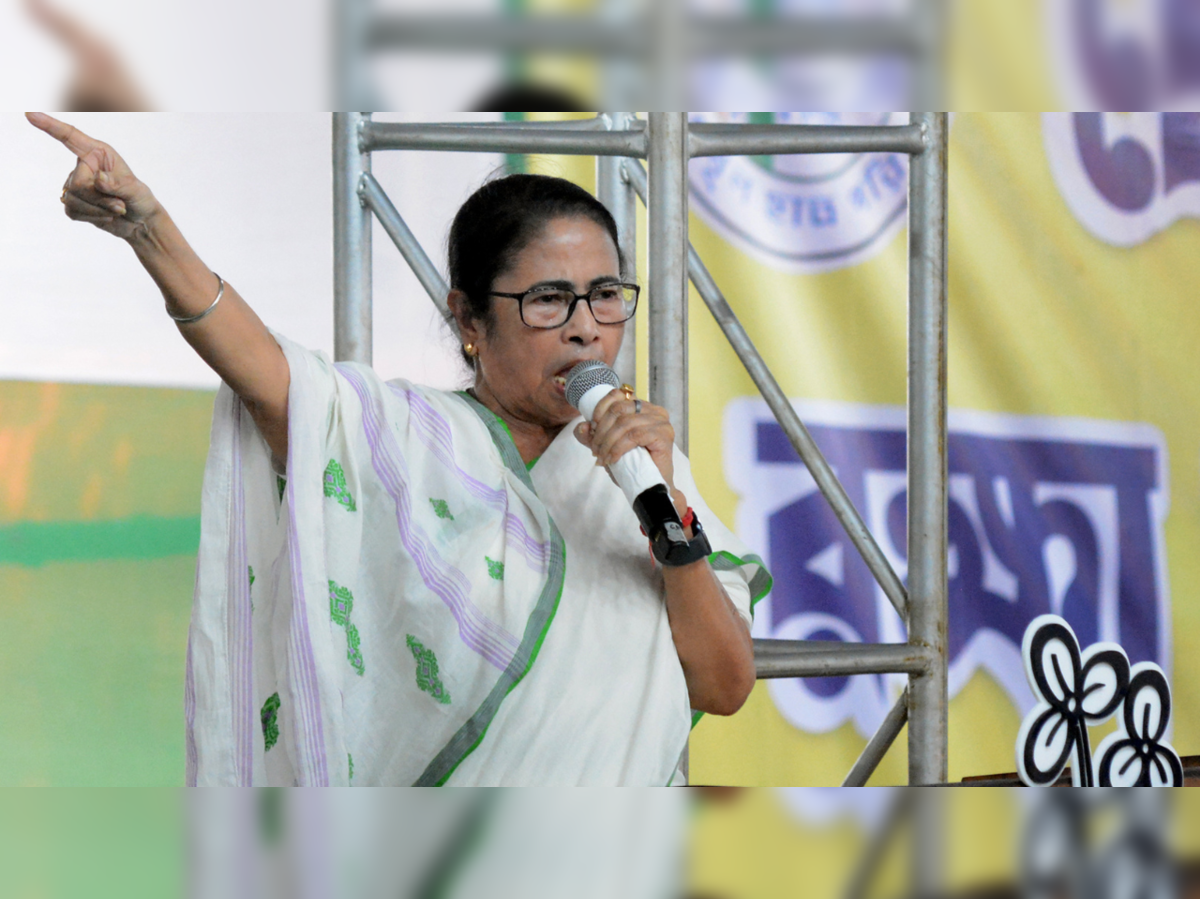
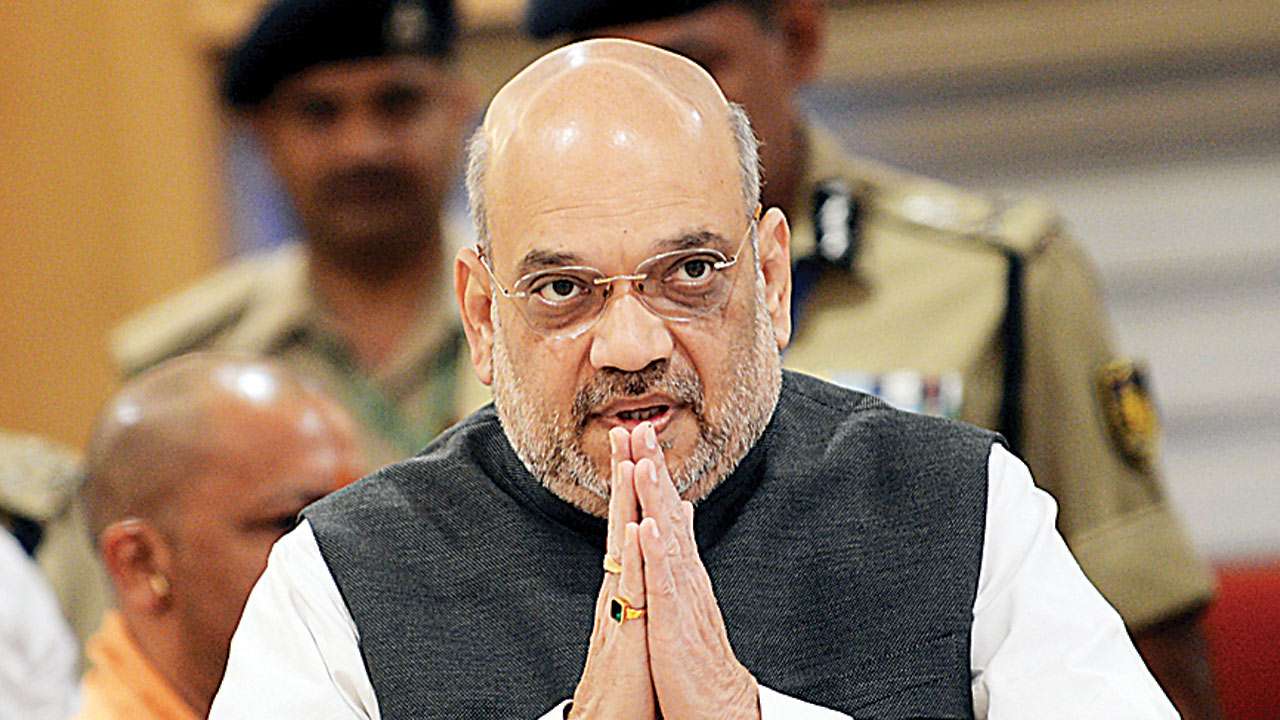
Junior Doctors March to Nabanna for Meeting with Chief Minister Mamata Banerjee

Baby Chakraborty, KalimNews, September 12, 2024, Kolkata: Junior doctors have launched a campaign to Nabanna, the state secretariat, with a delegation of 30 representatives, making it clear that they intend to meet Chief Minister Mamata Banerjee. The agitating doctors had communicated their decision to the Chief Secretary via email, stating their firm stance on the size of their delegation.


Before heading to Nabanna, the protesting doctors held a press briefing where they revealed that the Chief Secretary had informed them via email about a scheduled meeting with them at 5 p.m. at Nabanna. The Chief Secretary had written to the protestors on Thursday afternoon, indicating that the state would hold a discussion with the junior doctors, and Chief Minister Mamata Banerjee would be present. The letter mentioned that 15 representatives from the junior doctors’ side were expected to attend the meeting and that the discussion could be recorded for transparency.

However, the junior doctors have insisted on bringing 30 representatives instead of the 15 suggested by the administration. They have made it clear that a meeting with fewer than 30 representatives would not be feasible for them. Their intention is to meet the Chief Minister directly and discuss their demands.

The doctors arrived at Nabanna by 4:45 p.m., having organized a bus to transport their 30 representatives to the state secretariat. Their firm approach signals their determination to engage in a direct dialogue with the state administration. The junior doctors also demanded that the entire meeting be live-streamed. They argued that if Supreme Court hearings can be broadcast live, then their discussion with the state government should also be made public. They plan to present this demand to the authorities at Nabanna.

The junior doctors aim to discuss their 5-point demand during the meeting. These demands have been communicated to the Chief Secretary in advance via email. They seek a transparent discussion and believe that live streaming the meeting would help maintain clarity on the proceedings and outcomes.

This campaign by junior doctors comes in the wake of ongoing grievances over working conditions, security, and other professional issues. The doctors have been vocal about their dissatisfaction with the current state of affairs in healthcare facilities and are seeking concrete assurances and actions from the government to address these issues.

As the junior doctors prepare to sit face-to-face with the state administration, all eyes are on the outcome of this crucial meeting. The presence of the Chief Minister at the discussion is a significant step, and the junior doctors hope that their demands will be addressed adequately. The demand for live streaming adds a layer of public accountability, underscoring their desire for transparency in the negotiation process.

The state government’s response and the potential resolutions arising from this meeting could play a crucial role in shaping the future of healthcare services and the working environment for doctors in West Bengal.

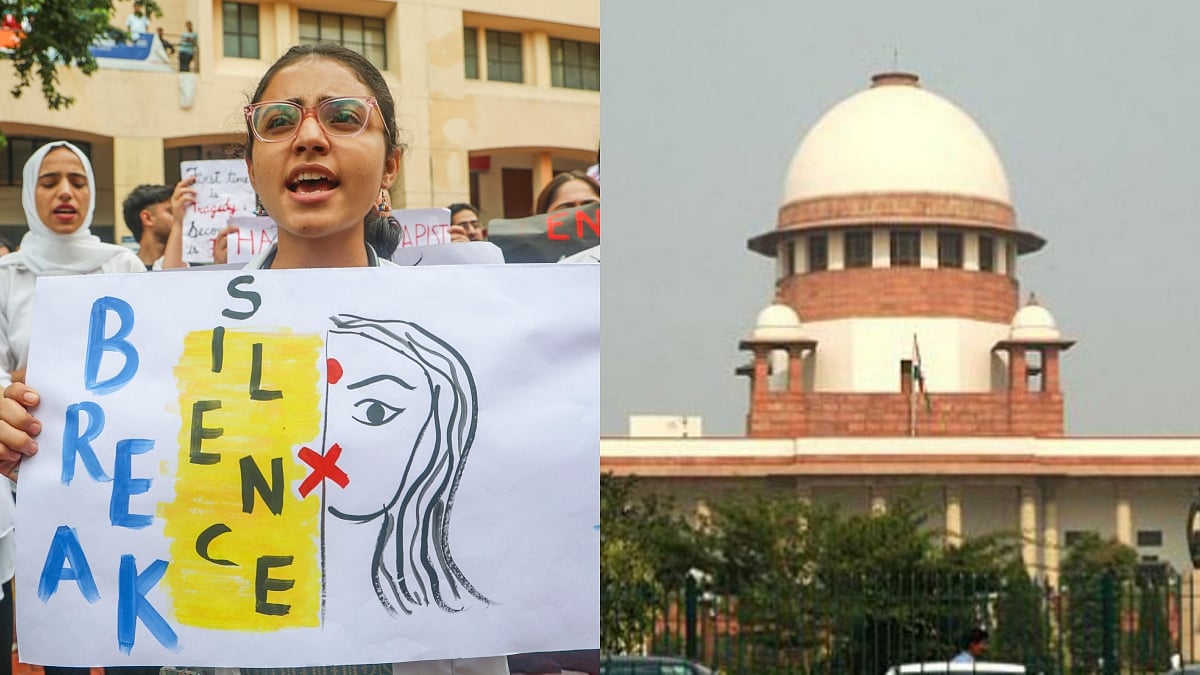
Supreme Court Orders Junior Doctors to End Strike and Return to Work Amid RG Kar Hospital Case

Baby Chakraborty, KalimNews, September 9, 2024, New Delhi/ Kolkata:  

Amidst the ongoing turmoil following the tragic rape and murder of a young doctor at RG Kar Hospital in Kolkata, the Supreme Court of India has issued a stern directive to junior doctors to end their month-long strike and return to work. The strike, which began as a protest demanding justice for the slain doctor and the resignation of the Kolkata Police Commissioner, has severely impacted healthcare services in the state, leading to a reported 23 deaths due to inadequate medical attention over the 28-day period.

The protests have included a “Lalbazar Abhiyan” (march to Lalbazar) campaign, where junior doctors demanded accountability from the police administration and expressed their dissatisfaction with the handling of the case. Despite repeated pleas from the Chief Minister, Mamata Banerjee, to resume work to restore normalcy in the healthcare system, the protesting doctors have continued their strike, intensifying the crisis.

Supreme Court’s Directive to Junior Doctors
On Monday, in its second hearing on the matter, the Supreme Court of India delivered a clear message to the striking doctors, emphasizing their primary duty to provide medical care. The bench, led by Chief Justice DY Chandrachud, directed the junior doctors to return to their duties by 5 PM on Tuesday, recognizing the critical nature of the situation and the urgent need to resume healthcare services.

“Providing treatment is the foremost responsibility of doctors. Given the circumstances, it is imperative that they return to work immediately,” the Chief Justice stated during the hearing. The Supreme Court also assured the doctors that the state government would not take any punitive action against those who return to work within the stipulated time frame.

Protection from State Action, But with Conditions
The apex court further clarified that while the state government is barred from taking any action against the doctors who resume their duties on time, this immunity does not extend beyond the specified period. “If the doctors do not return to work even after the deadline, the Supreme Court cannot prevent the state government from taking necessary action against them,” the bench stated, indicating that the patience of both the judiciary and the state administration is wearing thin.

The Supreme Court’s directive is seen as an attempt to balance the need for justice for the young doctor with the broader public interest of maintaining essential health services. The court also reminded the state government of its responsibility to ensure the safety and security of all medical professionals, thereby addressing some of the concerns raised by the striking doctors.

Ongoing Crisis in West Bengal’s Healthcare System
The strike by junior doctors has thrown West Bengal’s healthcare system into chaos. Hospitals have been struggling to provide adequate services, with many patients being turned away or referred to other facilities due to a lack of medical staff. Reports from the state indicate that at least 23 people have died over the past month due to the disruption caused by the strike, underscoring the dire situation.

The Chief Minister, Mamata Banerjee, has repeatedly appealed to the striking doctors to resume their duties, emphasizing that the state government is committed to addressing their concerns. “We understand the grief and anger, but the people of Bengal need their doctors back at work. Lives are at stake,” she said, urging the medical community to act in the public interest.

A Crucial Moment for Healthcare in Bengal
The Supreme Court’s directive marks a crucial moment in the ongoing struggle between the protesting doctors and the state administration. While the demand for justice and safety for healthcare professionals remains strong, the extended strike has also exposed the vulnerabilities of the healthcare system in West Bengal, highlighting the need for a balanced approach that ensures both justice and the continuation of essential services.

As the 5 PM Tuesday deadline approaches, all eyes will be on the junior doctors to see if they heed the Supreme Court’s call to return to work or risk potential state action. The decision taken by the medical community in the coming hours will significantly impact not only the ongoing investigation but also the future of healthcare services in West Bengal.

The Supreme Court’s ruling also serves as a reminder of the delicate balance that needs to be maintained between protests for justice and the duty to serve the public. As the RG Kar Hospital case continues to unfold, it is hoped that all stakeholders can work towards a resolution that ensures both justice and the uninterrupted delivery of healthcare services to the people of West Bengal.

Supreme Court Orders CISF : Prompts CBI Action After RG Kar Hospital Case Hearing

Baby Chakraborty, KalimNews, September 9, 2024, Delhi/Kolkata: The Supreme Court of India, in a significant directive on Monday, ordered the Central Industrial Security Force (CISF) to take all necessary measures to ensure the safety of doctors across the country. The Chief Justice, without delving into the specifics of funds allocated to state hospitals, questioned the actual steps that have been implemented within these healthcare facilities. The court has mandated that the state government provide a comprehensive report on the progress made in improving hospital security and infrastructure at the next hearing.


The Supreme Court also instructed that district collectors should be appointed to oversee medical colleges and ensure that adequate steps are taken to address safety and infrastructure concerns. This directive places considerable pressure on the state government to take effective measures to safeguard doctors and health workers while enhancing the overall medical infrastructure. The Supreme Court’s orders have clearly pushed the state to demonstrate tangible efforts in ensuring the safety of healthcare professionals and improving conditions in hospitals.

CBI Back in Action at RG Kar Hospital
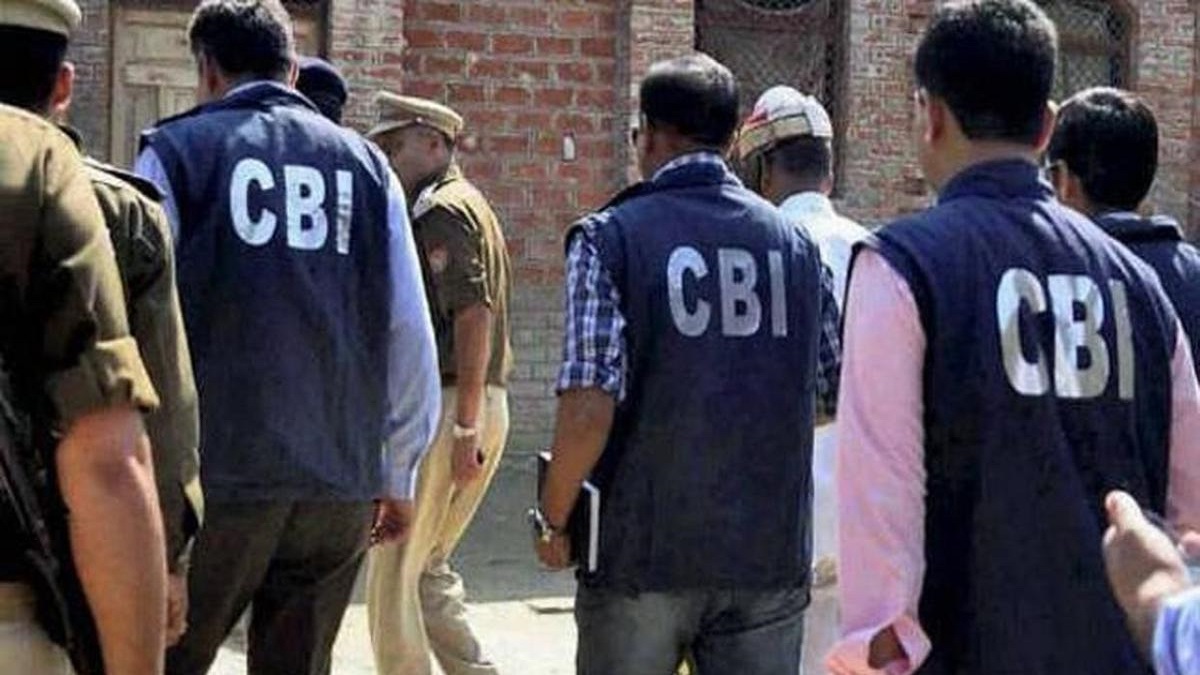
Following the Supreme Court’s hearing on the RG Kar Hospital case, the Central Bureau of Investigation (CBI) has swung into action. The CBI’s Special Crime Branch is actively investigating the alleged rape and murder of a young doctor at the hospital. The agency had earlier submitted its status report to the Supreme Court on Monday, outlining the progress of the investigation. The case is set to be heard again next week.

On the same day, a five-member CBI team, accompanied by central forces, reached RG Kar Hospital around noon. The officers were seen investigating in the emergency building of the hospital, collecting evidence, and interviewing witnesses to uncover the truth behind the heinous crime. As of the time of writing this report, the CBI’s investigation at the hospital was ongoing, reflecting their intensified efforts following the Supreme Court’s directives.

Mounting Pressure and Calls for Justice
Meanwhile, the call for justice in the RG Kar case is growing louder, with protests and movements intensifying across West Bengal. The tragic death of the young doctor has sparked widespread outrage, with demands for justice coming from both the public and various civil society groups. The Supreme Court, recognizing the urgency of the situation, also ordered junior doctors to return to work by Tuesday afternoon, ensuring that hospital services remain uninterrupted amid the ongoing investigations.

West Bengal Chief Minister Mamata Banerjee echoed the Supreme Court’s appeal, urging junior doctors to resume their duties following the apex court’s directive. “We must not let this tragedy paralyze our healthcare system. I request all doctors to return to work and continue their service to the people,” said the Chief Minister.

The Road Ahead
The Supreme Court’s stern directives and the CBI’s immediate response mark a critical turning point in the RG Kar Hospital case. With the next hearing scheduled soon, the state government faces the challenge of proving its commitment to ensuring the safety and well-being of doctors and health workers. The central investigative agency, on the other hand, is expected to accelerate its probe to bring the perpetrators to justice swiftly.

As the investigation progresses, the people of West Bengal, along with the medical community, are closely watching the developments, hoping for swift justice and improved safety standards in hospitals across the state. The RG Kar case has highlighted the urgent need for systemic reforms, and the coming days will be crucial in determining the future course of action by both the state government and the central agencies involved.

CM Mamata Banerjee Challenges Allegations Over Compensation in RG Kar Hospital Case: “No Money Was Mentioned”

Baby Chakraborty, KalimNews, September 9, 2024, Kolkata: 

The tragic case of the alleged rape and murder of a young doctor at RG Kar Medical College and Hospital has sparked widespread outrage and political uproar in West Bengal. The controversy has been further fueled by the state government’s mention of a ₹10 lakh compensation, which has now become a heated point of debate. Chief Minister Mamata Banerjee, for the first time, publicly addressed the issue, challenging the claims surrounding the compensation announcement.
At a recent event in Behala on August 14, Chief Minister Mamata Banerjee referred to the possibility of providing compensation in the RG Kar case. She reportedly mentioned that ₹10 lakh could be considered as compensation for the victim’s family. This statement quickly became a flashpoint for opposition leaders, who criticized the Chief Minister for what they perceived as a lack of sensitivity. Some opposition figures even sarcastically commented that the Chief Minister was “setting a price” for the life of the young doctor.

Faced with mounting criticism, Chief Minister Mamata Banerjee took a firm stance on Monday at Nabanna, the state administrative headquarters, refuting the claims about a specific compensation amount. She demanded proof from those accusing her of mentioning ₹10 lakh as compensation. “No money was mentioned,” Banerjee asserted. “Where is the proof that money was mentioned? That evidence must be provided.”

The Chief Minister’s remarks have brought a new dimension to the already volatile situation. Banerjee argued that her intention was not to offer monetary compensation but to encourage good deeds in memory of the deceased. “The family was not told about any money. If you want to do good work in the memory of the daughter, tell them. I said this,” she stated. She further emphasized that allegations about compensation being offered were baseless unless concrete evidence was presented to support them.

The controversy intensified as the victim’s family expressed their outrage over the Chief Minister’s earlier statements. Tilottama’s father, visibly angered, announced that the family would not accept any form of compensation from the government. “We do not want any government compensation from the Chief Minister,” he declared, reflecting the family’s deep disappointment and anger at how the situation has been handled at the highest level of the state administration.

Opposition parties have been relentless in their criticism, accusing the Chief Minister of undermining the gravity of the situation. They have continued to press the narrative that the state government, by allegedly mentioning compensation, was attempting to sidestep accountability for the serious lapses in law and order that may have led to the young doctor’s tragic death.

The RG Kar Hospital case has already triggered a storm of protests and political battles in West Bengal, drawing attention to issues of safety and justice in public institutions. The Chief Minister’s latest comments have only added to the controversy, highlighting the tension between the government and the opposition, as well as the emotional responses from the public and the victim’s family.

As the debate rages on, the demand for justice for the young doctor remains at the forefront, with both political and civil society groups calling for a transparent and thorough investigation. The case continues to serve as a reminder of the deep societal and administrative challenges faced by the state, as leaders navigate the complexities of governance, public sentiment, and political strategy.

The next steps in this high-profile case are likely to determine the direction of the discourse in West Bengal, as calls for accountability and justice grow louder with each passing day.

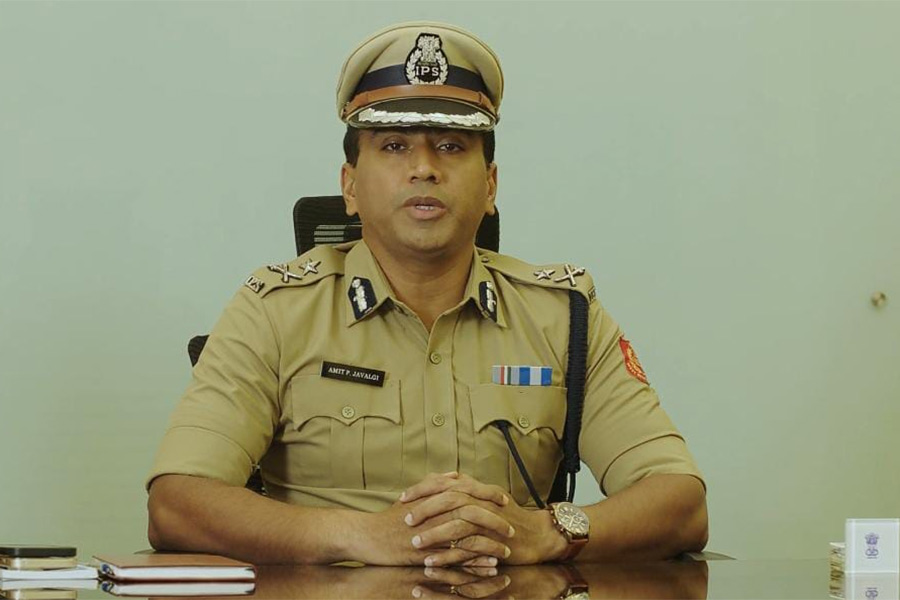
Chandannagar Police Commissioner Wins National Recognition for Innovative E-Governance Initiative

Baby Chakraborty, KalimNews, September 9, 2024, Hooghly:  

In a remarkable achievement, the Chandannagar Police Commissionerate, led by Commissioner Amit Javalgi, has been awarded the prestigious title of the “Best in the Country” by the Central Government for its groundbreaking efforts in the field of e-governance. The award recognizes the Commissioner’s innovative approach to modernizing police investigations and handling case materials through the use of advanced technology.

One of the major challenges faced by police stations across India is the effective management and preservation of seized materials that need to be presented as evidence in court proceedings. Whether it is vehicles, documents, or other confiscated items, these materials often pile up in police station premises or court warehouses, creating logistical nightmares. Some cases remain unresolved for years, making it increasingly difficult to maintain the integrity and identification of these items over prolonged periods.

The Chandannagar Police Commissionerate, under the leadership of Commissioner Amit Javalgi, has tackled this age-old problem by implementing an innovative solution that digitizes and organizes the handling of seized materials, commonly referred to as “malkhana” items. The initiative involves the full digitization of malkhanas across all police stations in the Chandannagar jurisdiction, utilizing barcoding technology to tag and track every seized item. This system ensures that each item is easily identifiable and retrievable, significantly reducing the complexities involved in managing evidence for ongoing legal cases.

Prior to this initiative, managing seized items was a cumbersome and time-consuming process. Police stations often faced space constraints as impounded vehicles and other materials accumulated in their premises. Identifying specific items among thousands of confiscated goods, some of which may have been seized a decade ago, was a daunting task. The introduction of the barcode-based digital system has revolutionized this aspect of law enforcement, ensuring greater efficiency, accuracy, and accountability.

The Central Government recognized the significance of this initiative in transforming the investigation and prosecution processes and awarded the Chandannagar Police Commissionerate a gold medal in the field of e-governance. This award is a testament to the forward-thinking approach adopted by Commissioner Amit Javalgi and his team, setting a new benchmark for police forces across the country.

Speaking on the achievement, Commissioner Amit Javalgi expressed his gratitude for the recognition and highlighted the importance of leveraging technology to address longstanding challenges in law enforcement. He stated, “Our goal was to find a sustainable and efficient solution to a problem that has plagued police stations nationwide for years. The digitization of malkhanas not only improves our ability to manage evidence but also enhances the overall integrity and transparency of the judicial process.”

The initiative has garnered widespread appreciation not only from the government but also from law enforcement agencies across India, who are looking to replicate the Chandannagar model in their jurisdictions. This recognition comes as a major boost to the efforts of the Chandannagar Police Commissionerate in setting high standards in public service delivery and governance.

The award highlights the importance of e-governance in modernizing public administration and reaffirms the need for innovative solutions in enhancing the efficiency of law enforcement agencies. With this achievement, the Chandannagar Police Commissionerate has set an example for other police forces, demonstrating how technology can be harnessed to solve real-world problems and improve public trust in the justice system.

The success of this initiative marks a significant step forward in India’s journey towards a more transparent, efficient, and accountable policing system. As other police departments take inspiration from this model, the future of law enforcement in India looks set for a transformative change, driven by innovation and a commitment to better governance.

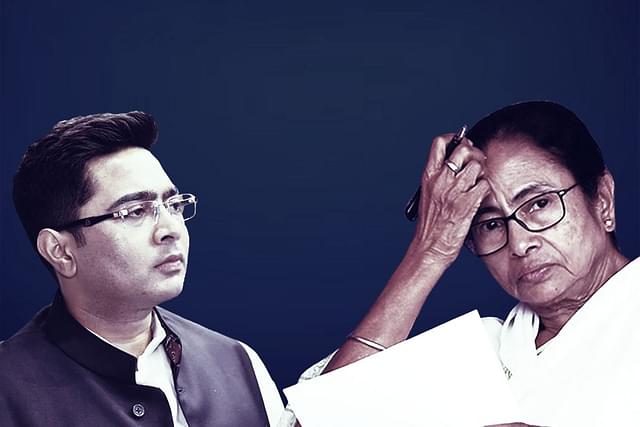
Abhishek Banerjee Faces Setback as Supreme Court Rejects Plea in Teacher Recruitment Corruption Case

Baby Chakraborty, , KalimNews, September 9, 2024, Kolkata: In a significant development in the West Bengal teacher recruitment corruption case, Abhishek Banerjee, the All India General Secretary of the Trinamool Congress (TMC), has faced a major setback in the Supreme Court. Banerjee, whose name was implicated in the scandal, challenged the summons issued by the Enforcement Directorate (ED) for his questioning. However, the Supreme Court dismissed both his petition and that of his wife, Rujira Banerjee, leaving them with no immediate legal recourse.


The case revolves around allegations of corruption in the recruitment of teachers in West Bengal, a scandal that has rocked the state and drawn national attention. As part of the investigation, the ED had summoned Abhishek Banerjee and his wife, Rujira, for interrogation. Previously, the couple had appeared at the ED office in Kolkata’s CGO Complex for questioning. However, this time, they were summoned to appear in Delhi, a move they both contested.

Banerjee argued that the repeated summons to Delhi amounted to harassment and questioned why the interrogation could not be conducted in Kolkata, where the ED also has an office. His legal team cited potential security concerns and undue hardship as reasons for requesting the venue change. The ED, however, countered that conducting the interrogation in Kolkata might lead to security issues and insisted on holding the questioning in Delhi.

Challenging the ED’s directive, Abhishek Banerjee moved the Supreme Court, seeking relief from having to travel to Delhi. His petition argued that the enforcement agency’s insistence on Delhi as the venue was arbitrary and motivated by political vendetta. However, the Supreme Court rejected the plea, asserting that there were no grounds to interfere with the ED’s decision to summon him and his wife to the national capital.

The Supreme Court’s decision has left Banerjee and his legal team with limited options. With the dismissal of their petitions, both Abhishek and Rujira Banerjee are now expected to comply with the ED’s summons to appear for questioning in Delhi. This outcome is a significant blow to the TMC leader, who has been vocal about what he perceives as political targeting by central agencies.

In response to the Supreme Court’s verdict, Abhishek Banerjee expressed his disappointment and reiterated his stance that the repeated summons to Delhi were part of a strategy to harass him and his family. He pointed out that the ED’s office in Kolkata is fully equipped for conducting such interrogations, questioning the necessity of summoning them to Delhi.

The teacher recruitment corruption case has already implicated several high-profile figures and caused considerable political turmoil in West Bengal. Abhishek Banerjee, a prominent leader in the Trinamool Congress and nephew of West Bengal Chief Minister Mamata Banerjee, has consistently denied any wrongdoing and accused the central government of using investigative agencies to target opposition leaders.
As the case unfolds, the ED’s investigation continues, and Abhishek Banerjee’s legal and political battles appear far from over. The Supreme Court’s decision has undoubtedly intensified the controversy, raising questions about the intersection of law enforcement and political rivalry in one of India’s most politically charged states.

The coming days are expected to see further legal and political maneuvers as Banerjee and the TMC brace for the next steps in what has become a high-profile and contentious case.

Bengaluru Caught in Language Controversy as Social Media Posts Go Viral

Baby Chakraborty, KalimNews, September 9, 2024, Kolkata: Bengaluru, one of India’s most cosmopolitan cities, is currently embroiled in a heated language debate that has been fueled by viral social media posts. The controversy centers around the notion of “insider versus outsider” and the emphasis on the Kannada language as the dominant means of communication in the city.


While language debates are not new in various parts of India, especially in the southern states, this issue has gained attention due to the provocative nature of certain social media posts. A specific post by a user named Manju has sparked outrage and debate across platforms. In the post, Manju wrote: “To all people coming to Bangalore, if you don’t understand Kannada or try to speak Kannada, you will be treated as an outsider in Bangalore. Write this, share around, we are not joking.” The post quickly went viral, leading to a storm of criticism and backlash from residents and netizens nationwide.

The divisive tone of the post has led to widespread condemnation, with many calling for unity and reminding others that Bengaluru is a city that belongs to all Indians. A response from another user, Shrishti Sharma, encapsulated this sentiment: “Bangalore has always been part of India. Respecting local culture is one thing, but superior behavior is not acceptable.” Her post has been widely shared, and many have echoed her call for respect and inclusivity in Bengaluru.

The controversy comes on the heels of a recent directive from the Bengaluru Municipal Corporation, which required all signboards in shops, markets, hotels, and other business establishments to include Kannada prominently alongside English. The municipality warned that failure to comply with this rule could result in the revocation of business licenses. This directive, meant to promote and preserve the Kannada language and culture, has been met with mixed reactions. While some see it as a necessary step to honor local traditions, others argue that it could alienate non-Kannada-speaking residents and visitors in a city known for its diversity.

Social media posts like Manju’s, combined with the new municipal guidelines, have intensified the debate. Some view these developments as an attempt to impose linguistic superiority, while others see them as a way to preserve local identity in the face of rapid urbanization and globalization.

Community leaders and civil society organizations in Bengaluru are calling for calm and dialogue to address the issue constructively. They emphasize that while it is important to respect and promote regional languages and cultures, it is equally crucial to maintain the inclusive spirit that Bengaluru is known for.

Bengaluru has historically been a melting pot of cultures, languages, and communities, attracting people from all over India and the world due to its thriving IT industry and reputation as a progressive city. The recent language controversy, however, has highlighted the challenges of balancing local identity with the inclusive ethos that the city prides itself on.

As the debate continues, the need for responsible discourse and respect for diversity remains paramount. With tensions running high, it is essential for all stakeholders to work towards a harmonious resolution that celebrates Bengaluru’s unique cultural landscape while ensuring that no one feels marginalized or excluded.

CBI Raises Multiple Questions in RG Kar Medical College Case Investigation

Baby Chakraborty, KalimNews, September 9, 2024, Kolkata: 

A series of serious allegations have surfaced in the ongoing investigation by the Central Bureau of Investigation (CBI) into the RG Kar Medical College Hospital incident. The central investigating agency has obtained crucial evidence, including CCTV footage and forensic reports, raising new questions and concerns about the handling of the case.

The Chief Justice’s special bench has instructed the CBI to submit an updated status report on the investigation by Tuesday, September 17. During today’s hearing, the CBI raised significant issues about the post-mortem process conducted in the case. It was revealed that the post-mortem was performed after a specific period to facilitate a swift cremation, a decision that has come under scrutiny.

The CBI pointed out several inconsistencies and mysteries in the post-mortem procedure. Although it was conducted in the presence of a magistrate, the CBI has questioned the timing and manner of the autopsy. Adding to the complexity, the CBI acknowledged the presence of injury marks on the body of Tilottama, the deceased, which had not been sufficiently addressed in the initial reports.

The CBI’s legal representative mentioned the existence of a challan accompanying the autopsy report. However, when the Chief Justice inquired about this document, the state’s legal counsel could not provide the necessary details. This led the Chief Justice to question how the autopsy could have been carried out without all the required documentation.

Further complicating matters, the CBI highlighted discrepancies related to the CCTV footage from the hospital. When questioned about the footage, the state lawyer informed the court that it had been provided in four parts. However, senior counsel Kapil Sibal, representing the state, mentioned a “technical glitch” but failed to elaborate on what the specific error was. The CBI remained firm in its assertion that the full and complete CCTV footage had not been handed over, which casts doubt on the transparency and thoroughness of the evidence provided by the state.

Since the CBI took over the investigation five days after the incident, several key elements of the case have reportedly changed. The central agency is now faced with piecing together the altered evidence and determining the actual sequence of events that led to the tragic outcome at RG Kar Medical College Hospital.

The ongoing investigation by the CBI has certainly raised more questions than answers, and the revelations have intensified the scrutiny on the handling of the case by the state authorities. The legal battle is expected to continue, with the next status report likely shedding more light on the contentious issues that have surfaced in this high-profile case.

Speculations Surround Ajit Doval’s Upcoming Visit to Russia

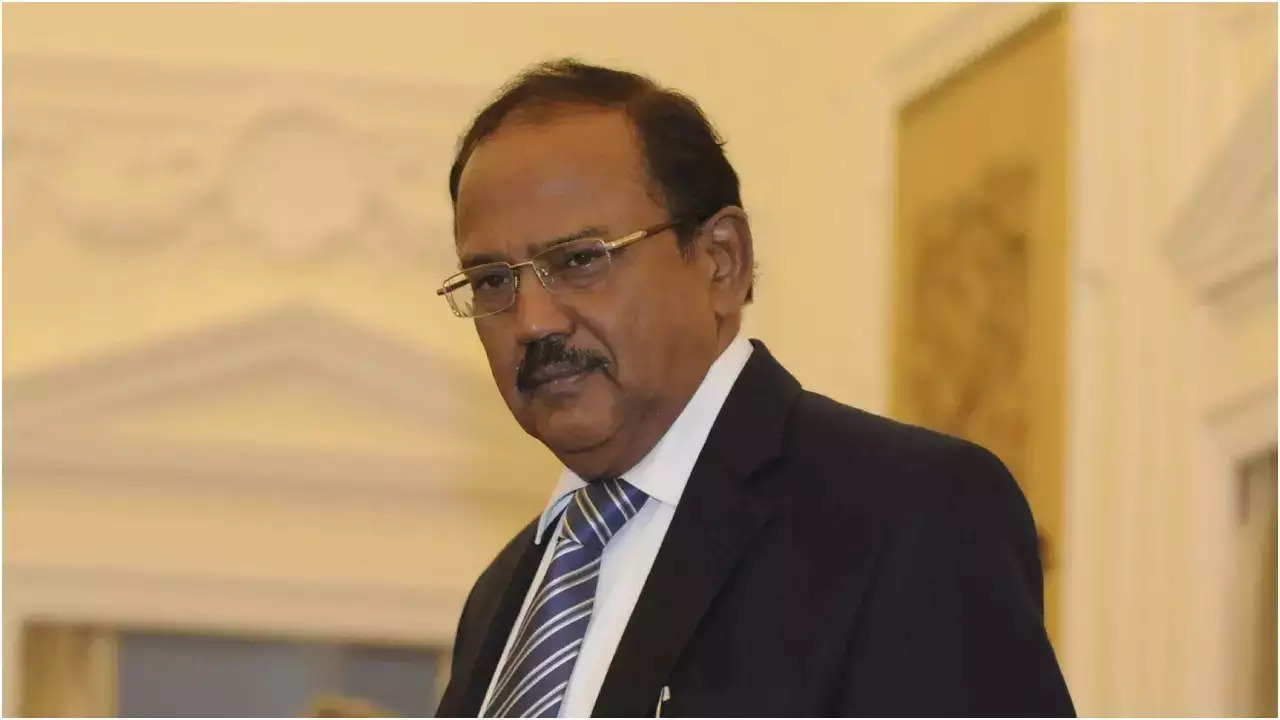
Baby Chakraborty, KalimNews, September 8, 2024, Calcutta – Speculation is mounting regarding the purpose of India’s National Security Advisor, Ajit Doval’s, imminent visit to Russia. This visit comes on the heels of recent diplomatic activities aimed at addressing the ongoing conflict between Ukraine and Russia.

India has actively sought to mediate in the Ukraine-Russia conflict, with Prime Minister Narendra Modi’s visit to Ukraine marking a significant diplomatic move. During his visit, Modi conveyed a strong message advocating for peace and emphasized that war is not a viable solution to international disputes. Following this, India has consistently called for a resolution to the conflict and has emerged as a potential mediator on the global stage.

Ajit Doval’s visit to Russia is expected to include participation in the upcoming BRICS National Security Advisers (NSA) meeting. However, sources suggest that his presence might also be linked to behind-the-scenes negotiations or strategic discussions beyond the official BRICS agenda. The speculation is further fueled by recent high-level diplomatic exchanges, including a phone conversation between Prime Minister Modi and Russian President Vladimir Putin last month.

As India continues its diplomatic efforts, Doval’s visit could play a crucial role in shaping the future dynamics of the conflict and India’s position as a mediator. The exact details of his mission remain under wraps, but the visit is anticipated to have significant implications for international relations and the ongoing peace efforts.

Assam Government Enforces New Aadhaar Guidelines to Combat Illegal Infiltration

Baby Chakraborty, KalimNews, September 8, 2024, Calcutta – Assam Chief Minister Hemant Biswa Sharma has announced stringent new measures aimed at curbing illegal infiltration into the state. This decision comes after alarming discrepancies were discovered between the number of Aadhaar card applications and the actual population in several districts.


According to Sharma, the number of Aadhaar card applications in some districts has surpassed the local population figures, raising concerns of illegal encroachment. In response, the Chief Minister has issued new guidelines stipulating that Aadhaar card applications will only be processed if accompanied by a receipt of the National Register of Citizens (NRC) application. This step is intended to address and prevent the misuse of the Aadhaar system for unauthorized residency claims.

The Chief Minister highlighted that in four districts, the number of Aadhaar applications exceeded the population figures, indicating potential illegal activity. Furthermore, it was reported that only a fraction of these applicants could produce the required NRC application receipt, suggesting an attempt to fraudulently obtain citizenship through the Aadhaar process.

Assam’s geographic location, bordering Bangladesh, has exacerbated the challenge of controlling illegal migration. To counteract this issue, the Assam government has been actively enforcing the Citizenship Act and NRC measures.

Additionally, anomalies have been observed in the Aadhaar registration process in Assam’s Dhubri district, where unauthorized individuals have reportedly acquired Aadhaar cards. In response to these findings, Chief Minister Sharma has decreed that Aadhaar card applications will be strictly regulated to prevent illegal access.

The new guidelines will take effect on October 1, 2024. The Assam government is committed to implementing these measures to ensure that Aadhaar cards are issued only to eligible residents, thereby strengthening the integrity of the state’s immigration controls.

TMC MP Jahar Sarkar Resigns from Rajya Sabha, Announces Departure from Politics

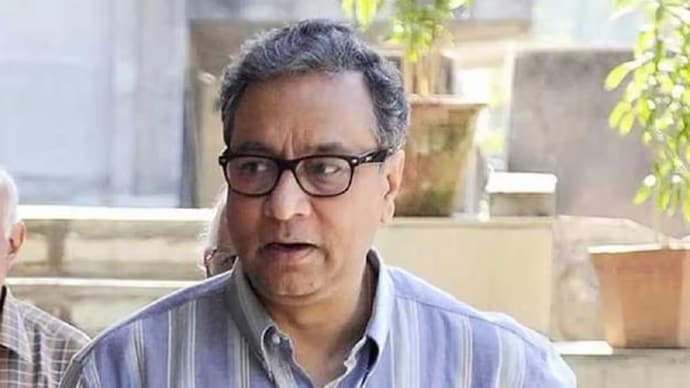
Baby Chakraborty, KalimNews, September 8, 2024, Calcutta : In a surprising political development, Trinamool Congress (TMC) Member of Parliament Jahar Sarkar has resigned from his position as a Rajya Sabha MP. In his resignation letter addressed to TMC supremo Mamata Banerjee, Sarkar also announced his decision to withdraw from politics altogether.

The resignation comes amid heightened political tensions and public unrest surrounding the RG Kar case. Sarkar’s decision is particularly significant as he has been a prominent figure in Delhi politics, having served in various capacities as a central bureaucrat. His departure is expected to place additional pressure on the ruling party, given his extensive experience and influence.

Sarkar’s resignation follows a period of intense scrutiny and protest related to the RG Kar incident. Earlier, TMC MP Sukhendushekhar Roy had publicly supported the protestors, aligning himself with their demands. This move has fueled speculation and debate within political circles about the ruling party’s handling of the situation.

In his resignation letter, Sarkar cited the RG Kar case as a major factor in his decision to step down. He expressed deep concerns about the government’s response to the incident and questioned its handling of the situation. His resignation underscores the growing discontent among some members of the TMC regarding the party’s current political strategy and actions.

Sarkar’s departure marks a significant shift in the political landscape and may have implications for the TMC as it navigates the ongoing controversy and public dissent.

Maynaguri Police Solve Theft Case Within 24 Hours

Baby Chakraborty, KalimNews, September 8, 2024, Maynaguri : A swift and successful police operation has led to the resolution of a theft case in Maynaguri, Jalpaiguri district. District Superintendent of Police Umesh Khandwale briefed the media on Sunday about the recent incident that unfolded in the area.


On Saturday, Paritosh Das, a resident of Maynaguri, discovered that gold jewelry stored in his cupboard was missing. Shocked by the theft, Das promptly filed a complaint with the Maynaguri police station. Upon receiving the complaint, the police initiated an immediate investigation into the matter.

The investigation focused initially on the household staff, and the maid, Deepali Das, was detained for questioning. During the interrogation, Deepali Das confessed to having stolen the jewelry in collusion with her husband, Krishna Das. Acting on this revelation, the police team conducted a search of the Das household.

Within 24 hours of the complaint being lodged, the Maynaguri police successfully recovered the stolen gold ornaments from the Das residence. The prompt action by the police led to the arrest of Deepali Das and Krishna Das, who have been charged with theft under relevant sections of the law.

The district court has initiated proceedings against the accused, and they are now facing legal consequences for their actions. This case highlights the efficiency and effectiveness of the local police in addressing and resolving criminal activities promptly.

Cellular Jail: A Dark Chapter in India’s Fight for Independence

Andaman Cellular Jail

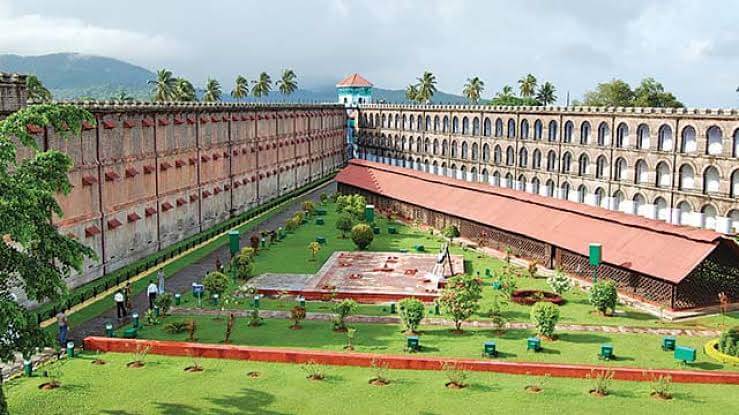
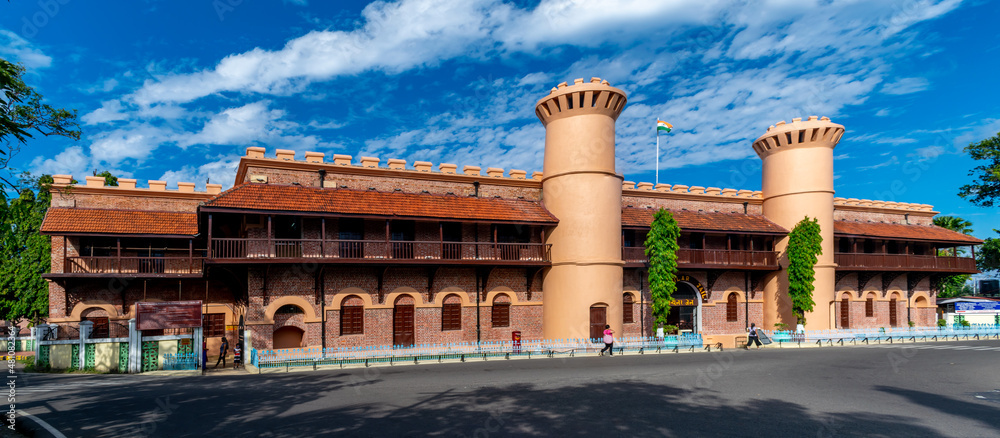
Baby Chakraborty, KalimNews, September 8, 2024 : The Cellular Jail, infamously known as ‘Kalapani’ or the Black Water, stands as a grim monument to the harsh realities of British colonial rule. Located on the Andaman and Nicobar Islands, this prison became a symbol of the brutal repression faced by Indian freedom fighters during the struggle for independence.


Constructed between 1893 and 1906, the Cellular Jail was established by the British colonial government to house political prisoners and rebels. It was designed as a high-security facility with a distinctive architecture: a three-story structure with seven wings radiating from a central tower, where guards maintained constant surveillance over the inmates. The prison was built using red bricks from Burma and stones from the Andaman Islands.
Cellular Jail, Port Blair, Andaman
The origins of the jail can be traced back to the aftermath of the First War of Independence in 1857. Following the uprising, approximately 200 rebels were deported to the Andaman Islands. The British government, in response to the need for a more secure detention facility, decided to construct the Cellular Jail. A two-member committee, led by British royalist Charles James Lall and physician A.S. Lethbridge, visited Port Blair in 1890, leading to the construction of this infamous prison.
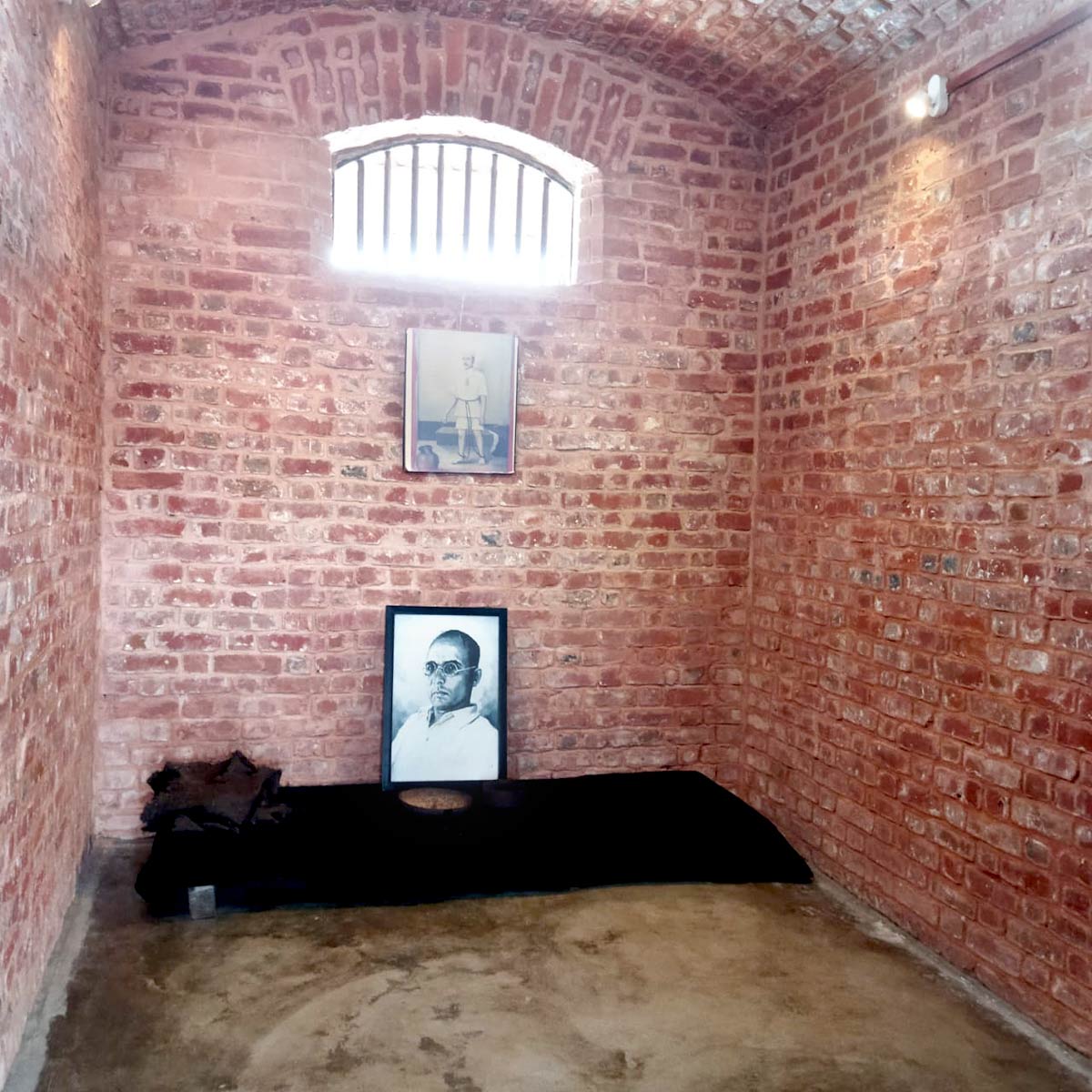
Vinayak Damodar ‘Veer’ Savarkar’s cell at the Cellular Jail in Port Blair

The jail’s design was based on the Pennsylvania system, which emphasized solitary confinement. Each prisoner was kept in isolation, cut off from all contact with others. The conditions were deplorable: prisoners were subjected to severe physical and psychological torture, including the use of iron rings around their necks and shackles on their legs. The prison’s facilities were primitive, with inadequate sanitation and poor-quality food. Inmates were often chained and handcuffed for extended periods, and many succumbed to the harsh conditions.
Cellular Jail, Port Blair
The Cellular Jail was notorious for its cruelty and became a symbol of British oppression. Notable freedom fighters, including Batukeshwar Dutt, Ullas Kar, Vinayak Damodar Savarkar, Sachindranath Sanyal, Hare Krishna Konar, Bhai Paranand Singh, Subodh Roy, and Trailokyanath Chakraborty, were imprisoned here. The inhumane conditions endured by these activists highlight the severe repression faced by those who challenged British rule.

Today, the Cellular Jail stands as a poignant reminder of the sacrifices made by India’s freedom fighters. It serves as a historical monument to the brutalities of colonial rule and the indomitable spirit of those who fought for the country’s independence.

Haripal Incident Sparks Protests Amidst Statewide Unrest

Baby Chakraborty, KalimNews, September 8, 2024, Hooghly : The ongoing protests against the rape and murder of a student from RG Kar College have cast a shadow over Haripal, where a new and troubling incident has emerged. Amid the statewide unrest, a student in Haripal has alleged a rape, but initial investigations have raised doubts about the veracity of these claims.

On Friday night around 10 PM, a minor was found unconscious with torn clothes near Mahadev Cold Storage, close to the Haripal police station. Local women who discovered the student provided assistance and alerted the authorities. The police arrived promptly, and the minor was taken to Haripal Rural Hospital for treatment.

Upon regaining consciousness, the student reported being abducted by four individuals in a white car while returning from tuition at Singur. The student claimed the assailants threatened her with harm to her mother if she reported the incident. She also described being dropped off at Haripal station and coerced into walking through the local market.

However, the police have noted several inconsistencies in the student’s statement and found no evidence of rape in the physical examination. This has led to significant public skepticism and unrest.

In response to the incident, members of the Democratic Youth Federation of India (DYFI) and the Student Federation of India (SFI) gathered in front of the Haripal police station, demanding a thorough investigation and justice for the victim.

The situation remains tense as the community grapples with the impact of recent events and seeks clarity on the latest allegations.

Two Coaches of Somnath Express Derail in Jabalpur; No Casualties Reported

Baby Chakraborty, KalimNews, September 7, 2024, Jabalpur:

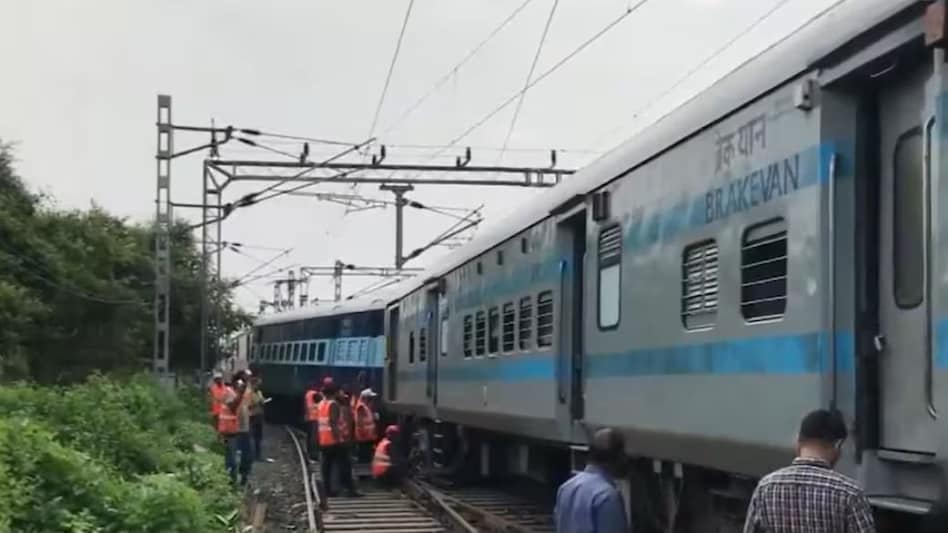
Two coaches of the Somnath Express (train number 22191) derailed early Saturday morning at Jabalpur railway station in Madhya Pradesh, adding to a series of recent train accidents across the country. Fortunately, no casualties or injuries have been reported.

West Central Railway Chief Public Relations Officer (CPRO) Harshit Srivastava provided details of the incident, stating, “The train was coming from Indore and was approaching platform number six at Jabalpur railway station when two of its coaches derailed. Thankfully, all passengers are safe, and no injuries or fatalities have occurred.” He further mentioned that the cause of the derailment is still unknown, and a thorough investigation has been initiated to determine the reasons behind the accident.

The derailment occurred just 200 meters after the train had left the station. Eyewitnesses reported hearing a loud noise as the coaches derailed. However, because the train was moving at a low speed, a major disaster was averted. Railway officials promptly arrived at the scene to assess the situation and began work to remove the derailed coaches. As a result of the incident, train movement on the affected line has been disrupted, causing delays.

The recent spate of train accidents has raised serious concerns about passenger safety on the Indian Railways. Over the past month alone, more than 10 train accidents have occurred in different parts of the country, prompting citizens to voice concerns over what they perceive as declining safety standards. Many people have begun to refer to Indian Railways as a ‘death train,’ criticizing the authorities for not taking adequate steps to prevent such incidents.

Passengers on the Somnath Express were visibly shaken by the derailment. Some described the panic that set in immediately following the accident, with many fearing for their safety. However, the quick response by the railway officials helped calm the situation.

This incident has once again put a spotlight on the safety protocols of the Indian Railways. While an investigation is underway, there is a growing demand from the public for the government and railway authorities to take stringent measures to improve safety standards and prevent future accidents.

The Railway Ministry is expected to release a statement soon regarding the findings of the investigation and any actions that will be taken to enhance passenger safety. For now, railway services in the affected area remain partially disrupted as efforts to restore normal operations continue.

Amit Shah Sends Strong Message to Pakistan During Jammu and Kashmir Election Campaign

Baby Chakraborty, KalimNews, September 7, 2024, Kolkata: Union Home Minister Amit Shah delivered a stern message to Pakistan while campaigning for the Jammu and Kashmir elections on Saturday, stating, “There is no negotiation with Pakistan until it walks the path of peace.” Addressing an election rally, Shah emphasized the importance of this election, calling on voters to “vote with an oath.” He described the election as crucial from all perspectives.

During his speech, Shah launched a scathing attack on the opposition parties in Jammu and Kashmir, saying, “We have made people aware of the divisive agenda of the National Conference and the Congress.” He claimed that peace had returned to several areas, including Jammu, Rajouri, and Poonch, and criticized Congress and National Conference leaders for suggesting the release of those accused of stone-pelting from jail, which he argued would disturb the peace and create unrest.

Referring to the abrogation of Article 370, Shah stated that the removal of this article had restored rights to the mothers and sisters of Jammu and Kashmir after 70 years, which the Congress and National Conference are now trying to take away. He further claimed that nearly a decade after Narendra Modi became Prime Minister, much of the terrorism in the Kashmir Valley had been eradicated.

The Election Commission has announced that voting for the Jammu and Kashmir Legislative Assembly will be held in 90 seats across three phases. The voting is scheduled to take place in 24 constituencies on September 18, 26 constituencies on September 25, and 40 constituencies on October 1, with the counting of votes set for October 8.

ED Traces Additional Properties of Sandeep Ghosh in Kolkata


Baby Chakraborty, KalimNews, September 7, 2024, Kolkata:
The Enforcement Directorate (ED) has traced additional properties belonging to Sandeep Ghosh, the former principal of RG Kar Medical College and Hospital, uncovering a house named ‘Ghosh Villa’ in Beleghata, along with several flats in New Town, Kolkata.

The ED has discovered two more flats near Beleghata ID Hospital, close to the four-storey house where Sandeep Ghosh resided in Beleghata. These flats reportedly include a garage with a luxury car. The caretakers of these two flats confirmed they belong to Sandeep Ghosh, although there was little activity in these properties, and they have remained closed for an extended period.

Moreover, a new luxury three-storey house named ‘Ghosh Villa’ has been uncovered in the Noapara Mallik Bagan Hatiara area of Kolkata’s New Town. This house is where Sandeep Ghosh’s parents lived. The caretaker of the Beleghata flat told reporters that Sandeep Ghosh bought the car a few months ago and would occasionally use it, parking it in the garage.

Curiously, while the nameplates of luxury flats in Canning bear clear identification, the nameplates for the two flats in Beleghata do not display any names. This has led to speculation that Sandeep Ghosh may have deliberately omitted his name to conceal his ownership.

On Friday, ED officials searched the residences of several of Ghosh’s relatives, including his house in Beleghata. Following an extensive search, the ED arrested a person named Prasun Chattopadhyay. The ED is investigating where the money from the financial irregularities at RG Kar Medical College went and whether this extensive property was purchased in line with Sandeep Ghosh’s legitimate income.

In another development, the State Medical Council has issued a notice to Dr. Sandeep Ghosh, condemning his actions as the former principal of RG Kar Medical College and Hospital. As a result, Ghosh’s troubles have deepened. Last Friday, the Medical Council informed him that if a satisfactory response is not provided within three days, his medical registration will be canceled. However, it should be noted that the health department had already suspended Sandeep Ghosh earlier.

error: Content is protected !!
Exit mobile version