Category Archives: States

Suvendu Adhikari: A Political Figure Dividing Opinion in West Bengal


Baby Chakraborty, KalimNews, July 21, 2025, Kolkata :  Suvendu Adhikari, the Leader of the Opposition in West Bengal, has increasingly been making headlines with his outspoken criticism of the state’s ruling party. His frequent remarks on a wide range of issues have positioned him as a vocal critic of the Mamata Banerjee-led government, and his political maneuvering seems to have taken on an intensified tone in recent times.

Suvendu’s claim to leadership in the state has been questioned by many, especially given his contentious history and frequent criticism of the ruling party. Recently, when asked about a cricket match between India and Pakistan, in the backdrop of the Pahalgaon incident, the journalist inquired if his love for the game was overshadowing his patriotism. His response was striking: “I am the leader of the state. My boundaries are within the state. Those who are national leaders will talk about such matters.” This response hints at his nuanced approach — while he positions himself as a leader concerned primarily with state issues, his actions and remarks seem to echo his larger ambitions.

Adhikari’s recent comments once again put him in direct opposition to the Trinamool Congress (TMC). In a speech, he praised Biswajit Sarkar for his relentless fight for justice following his brother’s murder, crediting Sarkar’s efforts with the CBI’s involvement in the case. This marked a stark contrast to his regular criticisms of TMC leadership, highlighting his stance as an advocate for justice, especially when it concerns what he deems as corruption or injustice within the ruling party.

Suvendu did not stop there, speaking out against the state’s handling of various criminal activities. His criticism extended to the recent arrest of the accused in the Chandan Mishra murder case, where a notorious gangster was apprehended after escaping medical parole. Adhikari remarked that “Bengal has become a haven for criminals and goons,” a statement that further painted the state government in a negative light.

Additionally, Adhikari raised concerns over the alleged attacks on BJP MLAs in Cooch Behar, blaming “Trinamool goons” for these incidents. Despite evidence from the CISF and photographic documentation, he claimed the police had failed to take action, further fueling his narrative of lawlessness and state-sponsored violence under Mamata Banerjee’s leadership.

A seasoned political figure, Suvendu has held a variety of influential positions. He was appointed as the Leader of the Opposition and head of the BJP’s West Bengal unit in May 2021. Before his transition to the BJP, he served in the TMC government in several key positions, including Minister of Transport and Minister of Irrigation and Water Resources from 2016 to 2020. His political career is marked by significant milestones — from his role in the Nandigram movement in 2007, where he led protests against land acquisition, to his eventual shift to the BJP in 2020. His political lineage is just as notable, being the son of Sisir Adhikari, a Member of Parliament and former Union Minister in the Manmohan Singh government.

However, his time in TMC was far from smooth. Adhikari’s decision to spearhead the anti-land-acquisition movement in Nandigram propelled Mamata Banerjee to prominence, making him a key figure in West Bengal’s political landscape. While his leadership helped TMC expand in districts like Paschim Medinipur, Purulia, and Bankura, it was not without controversy. The CID had alleged that he had armed Maoists to resist the Left Front government, a claim he vehemently denied.

Suvendu’s most significant political triumph came in 2021 when he defeated Mamata Banerjee in Nandigram, a high-profile battle in the state assembly elections. His victory, however, has been contested by Banerjee, who has filed an election petition in the Calcutta High Court, challenging the results.

Despite his victories and vocal opposition to the state government, Adhikari’s political career has not been without scrutiny. He was interrogated by the Central Bureau of Investigation (CBI) in connection with the Saradha financial scandal in 2014. Additionally, he has been linked to the Narada sting operation case, where several TMC leaders, including Adhikari, were allegedly caught on camera accepting bribes in exchange for political favors.

Suvendu Adhikari remains a polarizing figure in West Bengal politics. His criticisms of the ruling party, combined with his claims of being the true leader of the state, show that he is positioning himself as the leader of the opposition in both practice and perception. While some view his actions as a call for accountability, others see them as politically motivated. What is certain is that Adhikari’s voice will continue to echo in the state’s political discourse for the foreseeable future.

Strict Speed Control Campaign Launched on Kalyani Expressway to Curb Accidents – Laser Guns to be installed to monitor vehicles’ speeds


Baby Chakraborty, KalimNews, July 21, 2025, Kolkata : In a bid to reduce road accidents and control excessive speeding on the Kalyani Expressway, the Barrackpore Police Commissionerate has launched a special surveillance initiative aimed at ensuring safer travel along this busy route. The move comes in response to the frequent accidents that have occurred on the expressway in recent years, many of which were attributed to excessive speed.

The Kalyani Expressway, a crucial arterial road, has witnessed an alarming rise in both traffic volume and speed-related accidents. To tackle this, the Barrackpore Police Commissionerate has decided to implement a strategic, technology-driven solution. The authorities have equipped the five traffic guards operating within the Commissionerate’s jurisdiction with state-of-the-art speed laser guns. These devices will now be used to monitor vehicles’ speeds. If a vehicle exceeds the designated speed limit, its registration number will be recorded, and legal action will be initiated.

A senior officer from the Commissionerate explained that despite the significance of the Kalyani Expressway, the area had become notorious for accidents, the primary cause being excessive speed. In light of this, a special initiative was deemed necessary to curb these incidents. The authorities are leveraging advanced technology as part of this special campaign to enhance road safety and reduce the frequency of such accidents.

This campaign is expected to run regularly, with the police urging all drivers to comply with traffic regulations, including adhering to the specified speed limits. The Commissionerate has also appealed to motorists to be mindful of their speed, given the growing number of vehicles on the road each day. Authorities emphasized that the initiative is not just a short-term measure but part of a long-term effort to make the Kalyani Expressway safer for all.

In light of the growing number of vehicles and the increased risk of accidents, this campaign aims to promote safer driving habits and contribute to overall road safety in the region. The Barrackpore Police Commissionerate’s proactive stance signals a determined effort to reduce road hazards and make the expressway safer for commuters.

Moving forward, drivers on the Kalyani Expressway can expect stringent monitoring and enforcement, with the police committed to ensuring that no one is exempt from the law, regardless of the situation.

Gangster Chandan Mishra Shot Dead in Patna Hospital: Key Accused Traced to New Town, Kolkata; Five Arrested Amidst Security and Political Fallout

Baby Chakraborty | KalimNews | July 19, 2025 | Kolkata : In a dramatic and brazen display of organized criminal violence, gangster Chandan Mishra—an undertrial on parole—was shot dead inside the intensive care unit of Paras Hospital in Patna on the morning of July 17. The gunmen, identified as members of a rival gang, calmly entered the hospital without resistance, opened fire at close range, and exited without haste. The entire incident was caught on CCTV, footage of which has since gone viral on social media, prompting widespread shock, political uproar, and a joint interstate police crackdown.

Within 48 hours of the incident, the Bihar Police, in collaboration with the West Bengal Special Task Force (STF), arrested five individuals from New Town, a satellite township near Kolkata, in connection with the murder. The arrests were made early Saturday morning during a series of coordinated raids at a residential housing complex. According to officials, these five individuals were not the direct assailants but had been providing critical logistical support—including shelter and transport arrangements—to the gunmen who carried out the hospital killing. The arrested individuals were found in two separate flats and one location outside the housing complex. Mobile phones and other documents have been seized, and digital forensics is underway, including the examination of call records and messaging app data.

Police officials have stated that the main suspects managed to flee Kolkata shortly after the murder. Surveillance footage captured their white getaway vehicle traveling through the Basanti Highway and passing through the jurisdictions of three police stations: Anandapur, Kolkata Leather Complex, and Bhangar. The vehicle is believed to have facilitated their escape from West Bengal, and search operations are currently ongoing across multiple districts.

The assassination of Chandan Mishra, a resident of Bihar’s Buxar district and a convict in over two dozen criminal cases including twelve murders, raises serious concerns regarding custodial security and law enforcement. Mishra was lodged at Beur Jail in Patna and had been granted parole for medical reasons, during which time he was admitted to Paras Hospital. On July 17, five armed and unmasked individuals, allegedly led by Tauseef Badshah, entered the hospital’s ICU—bypassing all security protocols and police presence—and fatally shot Mishra. The attackers were seen in CCTV footage walking out of the hospital premises with alarming composure. Additional social media footage surfaced soon after, showing them celebrating outside the facility.

Authorities suspect that the murder was orchestrated from inside a Bihar jail. Sheru Singh, a known gangster and a former associate-turned-rival of Mishra, currently in custody in Purulia, West Bengal, has been questioned in connection with the case. According to police sources, Sheru disclosed during interrogation that the murder plan was conceived by a member of his own gang, currently imprisoned in Bihar. The investigation has since expanded to examine jail communications, internal networks, and potential complicity among custodial personnel.

The incident has provoked intense political reactions. RJD leader Tejashwi Yadav alleged that criminals are receiving protection from within the state machinery, questioning the law and order situation in Bihar. Independent MP Pappu Yadav went further, demanding the imposition of President’s Rule and alleging a breakdown of governance marked by caste-based violence and political shielding of criminal elements. Meanwhile, in West Bengal, BJP leader Jagannath Chatterjee voiced alarm at the increasing number of criminals seeking refuge in Kolkata and its adjoining areas. “Why did they flee Bihar and come to Bengal?” he asked, adding that Kolkata has effectively become a “safe corridor” for criminals fleeing from other states.

This is not the first time that New Town has featured prominently in high-profile criminal crackdowns. The township, with its modern infrastructure, transient population, and booming rental market, has increasingly been exploited by fugitives for anonymity and cover. In June 2021, two most-wanted gangsters from Punjab—Jaipal Singh Bhullar and Jaspreet Singh—were tracked and killed in a shootout at the Shapoorji Pallonji residential complex in New Town. They had been living under false identities and were wanted in over 50 cases across multiple states.

More recently, in July 2024, Majnu Ghazi, a notorious pirate from Bangladesh, was arrested from a flat in New Town where he had been hiding for nearly a year after entering India illegally. He was wanted for several armed robberies of fishermen in the Sundarbans. The arrest led to the capture of another Bangladeshi fugitive, Kamal Sheikh, following Ghazi’s interrogation. Both had been aided by a network that helped them obtain fake identities and settle in the area undetected.

The pattern is unmistakable and troubling: New Town’s rapid urbanization and its cosmopolitan, high-rise landscape are being co-opted by criminal networks as a preferred hideout zone. The arrests made this week in connection with Chandan Mishra’s murder once again highlight the urgent need for stricter tenant verification, inter-state intelligence coordination, and enhanced vigilance in high-density residential hubs.

As the investigation continues, the five arrested individuals from New Town will be presented before a local court in Kolkata, where Bihar Police are expected to seek their transit remand. Authorities are also focusing on uncovering the broader nexus of support that enabled the assailants to evade capture and cross state borders. Officials confirmed that leads from mobile tower locations played a key role in tracking the suspects to New Town.

Meanwhile, questions linger over how armed assailants could penetrate a private hospital’s ICU floor despite the presence of police personnel. SP Patna (Central), Diksha, acknowledged the lapse in security and confirmed that internal probes are underway to investigate potential complicity and systemic failures. “Investigators are certainly looking into how such a severe breach of protocol could take place in broad daylight,” she said.

The brazen nature of the attack, combined with the apparent ease with which the killers operated across state lines, has brought renewed focus on the need for more robust security mechanisms—not only within the prison and hospital systems, but also across inter-state law enforcement networks. As events unfold, both the criminal investigation and political pressure continue to intensify.

Momentum Builds Ahead of July 21 Martyrs’ Day Rally: History, Controversy, and Political Stakes at the Center of Trinamool’s Show of Strength

Baby Chakraborty, KalimNews, July 19, 2025, Kolkata/Jalpaiguri : With the Trinamool Congress’s annual Martyrs’ Day rally set for July 21 at Dharmatala, Kolkata, preparations are in full swing across the state, including Jalpaiguri district, where mobilization efforts have reached a fever pitch. Around 250 party workers from the Jalpaiguri City Block Trinamool Congress have already departed for Kolkata to participate in the rally, with leaders such as Shekhar Banerjee, Municipal leader Papiya Pal, Councilors Sandeep Mahato and Pinku Biswas, and former MP Vijay Chandra Barman leading the delegation.

According to district leaders, this year’s rally is not only a tribute to those who died in the 1993 protest but also a critical platform for shaping the party’s strategy ahead of the upcoming panchayat and assembly elections. “July 21 is an emotional day for us,” said one local leader. “We will not forget the blood debt of the martyrs. Delegates from every block, panchayat, and ward are heading to Kolkata as per the leader’s instructions.”

Chief Minister Mamata Banerjee and top party leadership are expected to address the massive gathering. Party insiders suggest the focus of this year’s speech will include strong messaging against the central government and setting the tone for the 2026 Lok Sabha elections. However, opposition parties, including the BJP, have dismissed the rally as a mere political spectacle.

The History and Origins of Martyrs’ Day

The July 21 Martyrs’ Day rally commemorates the 13 people who were shot dead by the West Bengal Police during a protest march in 1993, led by Mamata Banerjee, then a youth leader in the Indian National Congress. The rally, known as the Writers’ Building March, aimed to demand the mandatory implementation of photo voter ID cards—an issue that fell under the purview of the Election Commission of India, not the state government. Many believe the true intent of the march was to destabilize the then Left Front government and assert dominance within a faction-ridden Congress party.

On that fateful day, thousands of Congress workers had poured into central Kolkata, stretching from Bowbazar to Strand Road, Mayo Road to Brabourne Road. Tensions escalated when fiery speeches by youth leaders such as Mrigen Banerjee and Satya Bapuli incited the crowd to break police barricades. Violence broke out—shops were shut, club tents vandalized, the SSKM hospital was attacked, and New Market witnessed looting. On Red Road, some protesters attempted to block then Chief Minister Jyoti Basu’s vehicle, allegedly disguised in burqas.

The police, overwhelmed by the scale of violence, initially resorted to tear gas and baton charges. When that failed, they fired warning shots in the air. By 1:45 p.m., live rounds were fired into the crowd, killing 13 and injuring hundreds. Among the injured were 215 police personnel, a journalist from PTI, and numerous civilians. Weapons including pipe guns, bombs, and swords were later recovered from the crowd. During the firing, Mamata Banerjee took refuge in a police vehicle, later visiting the injured in hospital.

Despite the violence, the Congress party at the time distanced itself from the protest. Senior leader Gani Khan Chowdhury met Chief Minister Jyoti Basu the very next day and assured cooperation in maintaining law and order. The then Union Home Minister S.B. Chavan saw no grounds for a CBI or judicial inquiry. Internal reports later confirmed that intoxicated, armed elements had infiltrated the protest.

In 2011, after becoming Chief Minister, Mamata Banerjee set up an inquiry commission led by retired Justice Sushanta Chatterjee. Though high-profile figures like Buddhadeb Bhattacharjee and Biman Bose were summoned, the final report (submitted in 2014) found no senior political or police official directly responsible. It controversially concluded that one of the deceased had died of cirrhosis, not a police bullet.

Despite this, Mamata Banerjee has turned the July 21 rally into a political tradition and rallying point, marking it annually as Martyrs’ Day since coming to power. Critics, however, argue that the 13 “martyrs” were not all innocent, with some allegedly armed and involved in violent acts, casting doubt on the narrative that the event was purely a democratic protest.

Preparations, Security, and Public Enthusiasm

On Friday, July 18, the Calcutta High Court issued guidelines to prevent traffic disruptions on July 21. The court ruled that all processions toward Dharmatala must reach either before 8:00 a.m. or after 11:00 a.m., ensuring normal traffic flow during peak hours. Justice Tirthankar Ghosh’s single-bench order aims to minimize chaos in Central Kolkata during the massive turnout expected at the rally.

Empowering Women Through Handicrafts: Amar Kutir and Scottish Church College Showcase Self-Reliant Initiatives

Baby Chakraborty, KalimNews, July 18, 2025, Kolkata : A two-day handicraft exhibition held on the premises of the historic Scottish Church College in Kolkata marked a significant milestone in the empowerment of self-reliant women across West Bengal. The event, which concluded on Friday, was organized through the collaborative efforts of the Santiniketan-based organization ‘Amar Kutir’ and Scottish Church College, aiming to promote entrepreneurship and digital marketing skills among women artisans.

The exhibition featured an impressive array of handcrafted products, including Nakshi Kantha, Tie and Dye, and Batik—each bearing the rich cultural imprint of the state’s diverse districts. The event showcased the success stories of women who have embraced self-reliance through training provided jointly by Amar Kutir and the college, under a broader entrepreneurship development initiative.


Dr. Madhumanjuri Mandal, Principal of Scottish Church College, emphasized the institution’s broader vision: “We are committed to providing hands-on, work-oriented education. This training is not just for students but is open to all interested individuals. Many have already launched their own ventures after receiving guidance here.” She highlighted that the college’s partnership with Amar Kutir focuses on practical, skill-based education aligned with national educational objectives.

To institutionalize these efforts, the college had established an ‘Entrepreneur Cell’ in 2024, led by Professor Lalita Roy of the Bengali Department. Under her leadership, a certificate course in handicrafts was launched on May 11 of the same year. According to Professor Roy, the initiative has trained four batches so far, with 63 women from the latest cohort now actively engaged in professional work. She reiterated that this program is in accordance with the Ministry of Education’s directive to integrate vocational and livelihood-oriented training into mainstream academia.

Instructor Bonya Roy of Amar Kutir shared insights into the organization’s role, stating that their core mission is to modernize and commercialize the handicraft sector for the younger generation. By equipping artisans with digital marketing skills and practical business knowledge, Amar Kutir has opened new avenues for traditional craftsmanship in the contemporary market.

The exhibition not only offered a platform for sales but also stood as a testament to the transformative power of inclusive education, women-led entrepreneurship, and cultural preservation. As Amar Kutir and Scottish Church College continue to nurture these collaborative efforts, they are charting a path toward sustainable self-reliance for artisans across Bengal, firmly rooted in tradition yet future-ready through digital empowerment.

PM Modi to Visit Durgapur on Friday Amid Local BJP Concerns; Launches ₹17,000+ Crore Projects Across Bihar and West Bengal


Baby Chakraborty for KalimNews, Kolkata, July 18, 2025 : As Prime Minister Narendra Modi prepares to visit West Bengal on Friday as part of a larger two-state tour, the local BJP unit in Durgapur is scrambling to rally public participation in his scheduled meeting. Despite the significance of the visit, which includes the inauguration of key development projects across sectors in both Bihar and West Bengal worth more than ₹17,000 crore, the state BJP appears to be facing organizational and promotional hurdles.

In Durgapur, the Bharatiya Janata Party (BJP) has opted for a door-to-door campaign to invite residents to attend the Prime Minister’s rally. With no major processions or public roadshows leading up to the visit, BJP workers have taken to distributing invitation cards house to house. On Wednesday, senior party leaders including State Secretary Locket Chatterjee and MLA Laxman Ghorui were seen handing out invitations across the Gopal Math area. According to sources, around thirty homes were visited that day alone.

However, internal frustrations seem to be surfacing. District-level BJP leaders have reportedly expressed dissatisfaction with the lack of extensive public outreach ahead of what is being labeled a “mega event.” The party’s central and state leadership is preoccupied with logistics and internal meetings, while local workers are left with limited resources to mobilize the public. Acknowledging the concern, Chatterjee said, “The bell for the 2026 assembly elections has rung. Prime Minister Narendra Modi is coming to Durgapur, which is a big surprise for the people. That is why we have called on the people of Gopal Math to attend the meeting.”

While the crowd-pulling capacity of this door-to-door method remains uncertain, BJP cadres are also reportedly working to gather attendees at Nehru Stadium under guidance from party leadership. Critics within the party argue that publicity has been minimal and uncoordinated. There has been little visibility about the timing and venue of the Prime Minister’s event, with many residents learning of the visit primarily through media reports. MLA Laxman Ghorui dismissed such criticisms, stating that due to the short notice of the program, promotional efforts on a larger scale had not been possible but would commence across three to four districts starting Thursday.

Despite the local-level challenges, the Prime Minister’s agenda is extensive and politically significant. His visit to both Bihar and West Bengal on July 19 underscores the government’s push for infrastructure expansion, economic growth, and welfare delivery in these key states.

Major Announcements in Bihar

In Bihar, PM Modi will inaugurate, dedicate, and lay foundation stones for a wide array of projects spanning railway modernization, rural infrastructure, fisheries, digital services, and road connectivity—amounting to investments exceeding ₹12,000 crore. Highlights include the automatic signalling system on the Samastipur-Bachhwara rail line, doubling of Darbhanga-Thalwara and Samastipur-Rambhadrapur rail lines (part of a ₹580 crore project), and the Darbhanga–Narkatiaganj line doubling project worth around ₹4,080 crore.

He will also launch infrastructure for maintaining Vande Bharat trains at Patliputra, introduce automatic signalling on the Bhatni–Chhapra Gramin rail section, and upgrade traction systems for faster and more efficient train operations. Road infrastructure improvements will include four-laning of the Ara bypass (NH-319) and the inauguration of the Parariya to Mohania stretch, expected to significantly boost freight and passenger movement.

Digital infrastructure and employment are also on the agenda, with the inauguration of a Software Technology Parks of India (STPI) facility in Darbhanga and an incubation centre in Patna. In fisheries, new hatcheries, biofloc units, and ornamental fish farms under the Pradhan Mantri Matsya Sampada Yojana (PMMSY) aim to strengthen rural economies.

Additionally, the Prime Minister will release ₹400 crore to 61,500 Self-Help Groups (SHGs) under the Deendayal Antyodaya Yojana-National Rural Livelihoods Mission (DAY-NRLM). As part of a symbolic Griha Pravesh ceremony, he will hand over house keys to 12,000 beneficiaries of the Pradhan Mantri Awaas Yojana-Gramin and release over ₹160 crore to 40,000 more under the same scheme.

Focus on Development in West Bengal

Later in the day, around 3 PM, PM Modi will arrive in Durgapur, West Bengal, where he will unveil development projects worth more than ₹5,000 crore, spanning energy, transportation, and railway sectors.

Among the key announcements is the foundation stone laying for Bharat Petroleum Corporation Limited’s ₹1,950 crore City Gas Distribution project in Bankura and Purulia, aimed at supplying piped natural gas to homes and compressed natural gas (CNG) for vehicles, thereby creating local jobs and supporting clean energy goals. Additionally, the 132-km Durgapur-Kolkata segment of the Durgapur-Haldia Natural Gas Pipeline, worth over ₹1,190 crore, will be dedicated to the nation. This segment is part of the broader Pradhan Mantri Urja Ganga project and will serve districts including Purba Bardhaman, Hooghly, and Nadia.

In a move to tackle pollution, the Prime Minister will inaugurate Flue Gas Desulphurization (FGD) systems at the Durgapur Steel Thermal Power Station and the Raghunathpur Thermal Power Station. With a combined investment of over ₹1,457 crore, these pollution control systems are expected to significantly improve regional air quality.

On the transport front, the 36-km doubling of the Purulia-Kotshila rail line, valued at ₹390 crore, will be inaugurated. This project is set to improve industrial freight movement and rail connectivity between major hubs like Jamshedpur, Bokaro, and Kolkata. Two critical road overbridges at Topsi and Pandabeshwar, built under the Setu Bharatam scheme at a cost exceeding ₹380 crore, will also be inaugurated. These are expected to ease traffic congestion and reduce accidents by replacing level crossings.

As West Bengal gears up for a crucial election season ahead of the 2026 Assembly polls, the Prime Minister’s visit—marked by both high-value development announcements and visible party-level organizational challenges—highlights the stakes and the strategic importance of the state in national politics.

Demolition of Satyajit Ray’s Alleged Ancestral Home Halted Amid International Outcry

Baby Chakraborty, KalimNews, Kolkata, July 17, 2025 : The controversial move to demolish a building in Mymensingh, Bangladesh—widely believed to be the ancestral home of celebrated filmmaker Satyajit Ray—has been abruptly suspended following widespread public criticism and strong diplomatic protests from India. The structure, located on Harikishore Roy Chowdhury Road, is historically associated with Ray’s grandfather, the renowned writer and illustrator Upendrakishore Ray Chowdhury, and was until recently used as the premises of the Bangladesh Shishu Academy.

Tensions rose after reports surfaced that the Yunus Sarkar-led interim administration in Bangladesh had begun demolition work on the structure, which is over a century old. Although Prime Minister Sheikh Hasina had previously pledged in 2023 to renovate and preserve the building, the policy trajectory shifted under the new administration. Far from protecting the site, demolition work began—prompting swift and coordinated backlash.

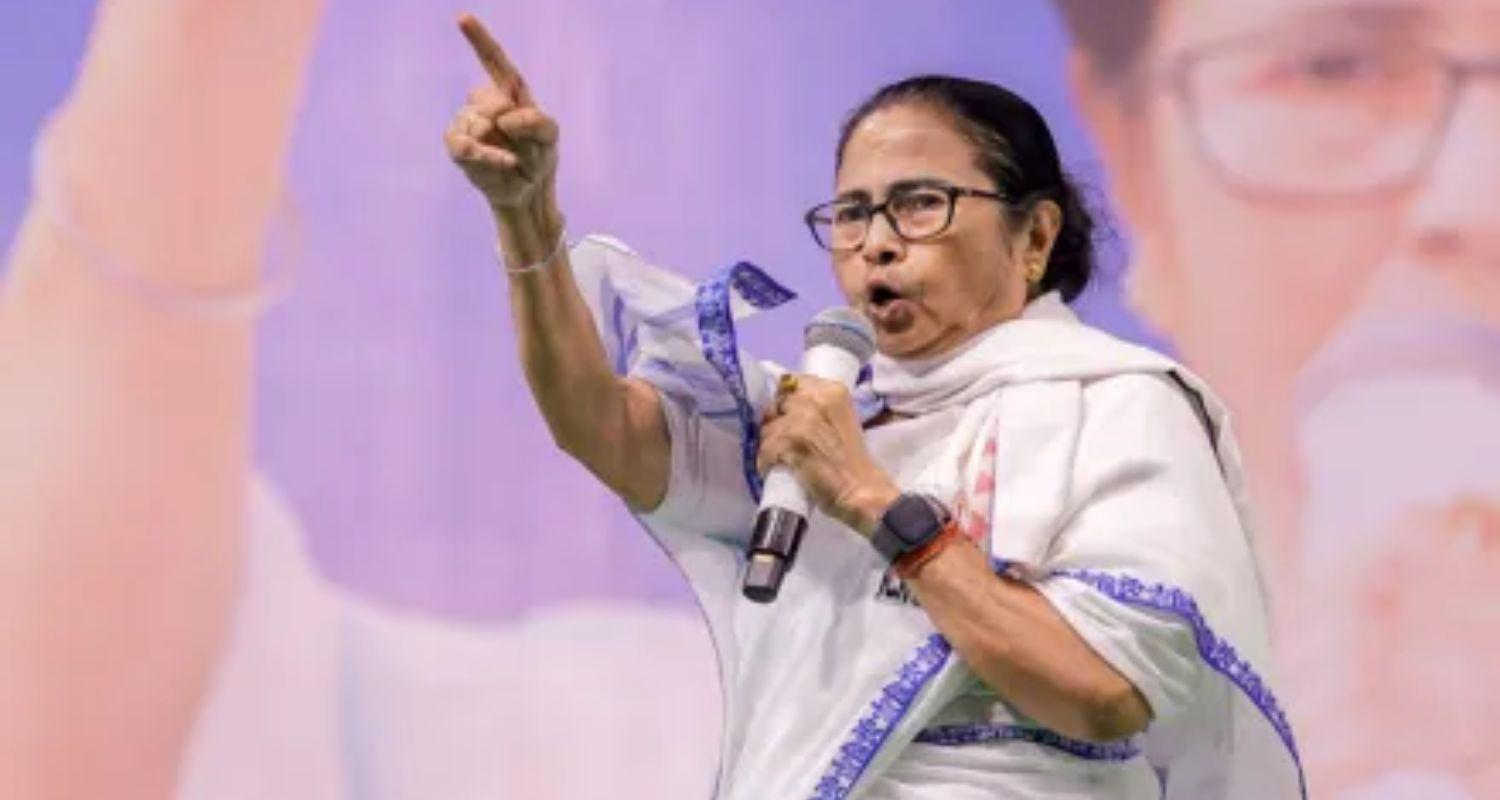
West Bengal Chief Minister Mamata Banerjee strongly condemned the action, calling the building an integral part of Bengal’s cultural history and urging the Government of Bangladesh to safeguard it. “This is not just a building; it is a part of our collective cultural memory,” she stated, adding that its demolition would amount to erasing a piece of shared heritage between India and Bangladesh.

Soon after, India’s Ministry of External Affairs (MEA) issued a statement expressing “profound regret” over the incident. Citing the site’s symbolic value as part of the Bangla cultural renaissance, the ministry urged Bangladesh to reconsider its decision and explore possibilities for restoring the structure. India also extended a formal offer to assist in its renovation, proposing that the building could be transformed into a museum of literature—a testament to the enduring cultural legacy shared by both nations.

“A building of such landmark significance should not be erased,” the MEA noted. “It is preferable to examine options for its repair and reconstruction as a space that commemorates literary and cultural contributions. India would be willing to extend full cooperation toward this effort.”

Following growing domestic and international pressure, the demolition was suspended on Wednesday by orders from the local administration in Mymensingh. However, a day later, the Bangladesh Ministry of Foreign Affairs released a statement firmly denying any historical link between the property and the Ray family. It asserted that archival research had found no credible evidence connecting the house to Upendrakishore Ray Chowdhury or any member of the Ray lineage.

According to the ministry’s statement, land and historical records indicated that the structure was originally built by Shashikant Acharya Chowdhury, a local zamindar, as staff quarters near his estate, Shashi Lodge. The building later became government property following the abolition of the zamindari system and was leased to the Bangladesh Shishu Academy. It was never declared an archaeological heritage site and has been officially classified as khas (state-owned) land.

The ministry also stated that consultations with local historians and senior citizens had yielded no evidence linking the structure to the Ray family. The only documented association to the Ray legacy in the area, it claimed, was the naming of Harikishore Ray Road—named after Ray’s great-grandfather. While the Ray family did own a residence on that road at one time, the house in question was reportedly sold long ago and replaced by a modern structure.

The ministry further explained that the decision to dismantle the old building was made earlier this year, with the goal of replacing it with a new semi-permanent facility for children’s development. A public tender for demolition had been issued through national and regional newspapers on March 7, 2025.

Nonetheless, heritage activists and some local historians remain unconvinced. In interviews published by leading Bangladeshi media outlets such as The Daily Star and Prothom Alo, critics claimed that the historical and cultural value of the building had long been neglected. Poet and activist Shamim Ashraf lamented that the structure had fallen into disrepair due to years of official apathy. “Cracks had developed on the roof, and the building was clearly deteriorating. Yet, despite its heritage significance, authorities chose demolition over restoration,” he said.

The backlash has prompted fresh discussions on the treatment of shared heritage sites in the subcontinent, particularly those linked to prominent figures like Satyajit Ray. Even as the government of Bangladesh insists on the building’s disassociation from Ray’s lineage, the controversy has reignited debate over the cultural custodianship of historically sensitive landmarks.

For now, the demolition stands paused, but the future of the building remains uncertain. What is clear, however, is that the issue has touched a raw nerve in both countries, unearthing not just contested history but also deep sentiments tied to a shared cultural past.

Mamata Banerjee Leads Protest Against Harassment of Bengalis in Other States, Targets BJP

Baby Chakraborty, KalimNews, July 15, 2025, Kolkata : Amid rising reports of harassment against Bengali-speaking individuals in various states, particularly in Delhi, Chief Minister Mamata Banerjee has launched a strong protest to demand justice. The issue, which has been causing widespread concern, was brought to the forefront once again during a recent cabinet meeting chaired by Mamata. According to sources from Nabanna, the state secretariat, the Chief Minister has decided to take to the streets herself, reinforcing her stance against such harassment.

Speaking in the state assembly, Mamata also took a sharp jibe at the Central government, accusing it of being indifferent to the plight of Bengali speakers in other parts of India. She emphasized that the dignity of the Bengali people must be upheld and condemned the labeling of Bengali speakers as “Bangladeshis” in BJP-ruled states.

Focus on Bengali People’s Safety
Mamata’s concerns about the safety of Bengali speakers have led to decisive action. Administrative sources revealed that during the cabinet meeting, the Chief Minister instructed all ministers to actively address this issue and speak out in solidarity with the affected individuals. She highlighted that over 1.5 crore people from other states reside in West Bengal and are living peacefully, without facing discrimination. This, she argued, should be the standard for the treatment of Bengalis living in other parts of India.

The growing instances of harassment, particularly in Delhi, have drawn the Chief Minister’s ire. The Trinamool Congress leadership has repeatedly raised the issue, accusing the BJP of discriminating against Bengalis, particularly in states where it holds power. Trinamool leaders have claimed that Bengali-speaking people are unfairly labeled as illegal immigrants, often facing social and economic discrimination.

July 21 Program: A Show of Strength
On a related note, the ruling party has been making preparations for the annual July 21 program, which is considered a key event in the party’s calendar, especially with the state assembly elections slated for next year. As part of the buildup, a Khooti Puja was held on Tuesday at the location where the stage for the July 21 program is being set up. Prominent party figures, including Trinamool State President Subrata Bakshi, MP Sayani Ghosh, and MLA Debashis Kumar, were present during the puja.

In a direct response to the upcoming Prime Minister’s visit to Durgapur on July 18, Mamata’s party has planned an unprecedented gathering for the July 21 program. The event is expected to draw a massive crowd, with the ruling party looking to make a powerful political statement ahead of the crucial state elections next year.

BJP and the Prime Minister Under Fire
As the political climate heats up in the state, Trinamool’s sharp criticisms were also aimed at Prime Minister Narendra Modi and the BJP leadership. Trinamool spokesperson Saini commented on the upcoming visit of Prime Minister Modi, sarcastically questioning the benefits of his visit. Without directly naming Modi, he hinted that the BJP’s visits to Bengal would not change the political dynamics. “As the 2026 elections approach, the number of daily passengers to the state will increase. They will come by plane, bus, and train,” Saini remarked, emphasizing the BJP’s desperation.

He continued to criticize the BJP for its alleged contempt towards Bengal and its people. Saini emphasized that if the BJP truly valued Bengal and its people, they would ensure the safety of Bengali speakers across India and refrain from labeling them as “Bangladeshis.” His words underscored the ongoing tension between the Trinamool Congress and the BJP over the issue.

A Call for Unity and Action
Mamata Banerjee’s protests against the harassment of Bengalis have now evolved into a broader call for unity and action. The Chief Minister has instructed ministers to organize protests in their respective areas and urged citizens to take to the streets. Trinamool leaders have been vocal in accusing the BJP of instigating the harassment of Bengalis, particularly by labeling them as illegal immigrants.

In line with these protests, Trinamool representatives visited the Jai Hind Colony in Delhi’s Vasant Kunj area to meet Bengali citizens who are allegedly facing discrimination. A procession is planned for Kolkata on July 16, where Mamata herself will lead a march from College Square to Dorina Crossing, advocating for the protection and respect of the Bengali language and people.

A Distinguished Academic and BJP Veteran Ashim Kumar Ghosh appointed as new Governor of Haryana

Asim Kumar Ghosh Appointed Governor of Haryana


Baby Chakraborty, KalimNews, Kolkata, July 15, 2025 : Asim Kumar Ghosh, a prominent academician and veteran political figure from West Bengal, has been appointed as the new Governor of Haryana by President Droupadi Murmu. The announcement, made on July 14, has surprised many within his own political circle, as Ghosh had gradually distanced himself from active politics after stepping down as the BJP’s state president in the early 2000s.

Sitting in his residence on Panchanatala Road in Howrah, Ghosh shared his thoughts on this significant appointment. He expressed that taking up the governor’s role was a highly responsible position. Though he had yet to receive official documents, he mentioned that many people had already reached out to congratulate him. He also conveyed his gratitude to the President for entrusting him with such an esteemed position. “Even though I will be in Haryana, my heart will always remain with the people of Bengal. I will work for the progress of Haryana, but I also hope to contribute to the development of my home state,” Ghosh added.

The 81-year-old academician and politician acknowledged the many challenges facing West Bengal, including issues around governance and public welfare. He expressed hope that the state would emerge from its “dark days,” where, according to him, many obstacles hindered progress. His vision for a better India included a society where girls could attend schools and colleges without fear and a country where industrial growth would thrive regardless of political opposition.

Ghosh’s career began as a professor of Political Science at Shri Shikshayatan College in Kolkata. Born in 1944 in Howrah, British India, he began his education at Vivekananda Institution, later earning a bachelor’s and master’s degree in Political Science from Vidyasagar College and Calcutta University, respectively. Ghosh became a member of the Bharatiya Janata Party (BJP) in 1991 and quickly rose through the ranks, largely under the mentorship of prominent party figures like Tapan Sikdar.

In 1996, Ghosh was appointed the state secretary of BJP in West Bengal, and by 1998, he became the state vice-president. His leadership skills were further recognized when, in 1999, he was appointed the BJP state president after Tapan Sikdar relinquished the post. Ghosh’s tenure saw him narrowly defeating veteran leader Sukumar Bandyopadhyay in the 2000 state elections by a margin of just 34 votes, cementing his role as a key figure in the state’s political landscape.

Despite his influential role in strengthening the BJP in West Bengal, Ghosh gradually reduced his political activities after stepping down as state president in 2002. He briefly held a national-level position within the BJP and worked as an observer for the Tripura unit of the party from 2003 to 2005. While he remained somewhat active in party functions, particularly during the second tenure of Rahul Sinha as Bengal BJP president, he had largely withdrawn from day-to-day political activities in recent years.

Ghosh’s appointment as Governor of Haryana has received widespread support. Union Minister of State for Education and DoNER, Sukanta Majumdar, congratulated him on social media, describing Ghosh as a distinguished academician and seasoned statesman. “His profound intellect, rich administrative experience, and unwavering commitment to public service have long been a source of inspiration for many,” Majumdar said in his post. He expressed confidence that Ghosh’s leadership would be invaluable to the people of Haryana, further contributing to the state’s progress.

Though Ghosh’s appointment took many by surprise, it marks the culmination of a long and storied career in education, public service, and politics. His journey from a professor to a key political figure within the BJP, and now the Governor of Haryana, highlights the deep impact of his work on the Indian political landscape.

As the third Bengali to hold the post of Haryana’s Governor, following Birendra Narayan Chakraborty and Hari Anand Barari, Ghosh’s appointment is seen as a significant moment in both the state’s and his own political trajectory. He now embarks on this new constitutional responsibility with a clear vision of working for the development of Haryana while never losing sight of his roots in West Bengal.

Dilip Ghosh Re-enters BJP’s Core Circle Ahead of PM Modi’s Durgapur Rally, Signaling Possible Reconciliation

Dilip Ghosh has officially been invited to Prime Minister Narendra Modi’s rally in Durgapur,


Baby Chakraborty, KalimNews, Kolkata, July 14, 2025 :Putting an end to weeks of speculation and political chatter, former BJP state president Dilip Ghosh has officially been invited to Prime Minister Narendra Modi’s rally in Durgapur, scheduled for July 18. The invitation, which reached Ghosh on Monday, marks a potential thaw in the strained relationship between him and the party’s central leadership. It also signals a shift in the Bengal BJP’s dynamics under newly appointed state president Shamik Bhattacharya.

Though Ghosh had recently maintained a low profile and was absent from high-profile events like the Prime Minister’s earlier rally in Alipurduar and Union Home Minister Amit Shah’s meeting at Netaji Indoor Stadium in Kolkata, his confirmed presence at the Durgapur event indicates a possible reconciliation. Notably, Bhattacharya had already hinted at Ghosh’s return to the political forefront during internal discussions, making his participation in the upcoming rally more than just symbolic—it could be strategic.

Sources have confirmed that Ghosh will arrive in Durgapur on the night of July 17, ahead of the rally. Prior to this, he had met with senior leaders in Delhi, sparking talks of a renewed role in Bengal’s BJP leadership structure. While his political re-entry seems to be gaining traction now, his recent moves—including his attendance at the Jagannath Temple inauguration in Digha alongside his wife, at the invitation of the state government—had earlier created unease within party circles. The gesture was seen as too cordial by some in the BJP, leading to speculation about a possible shift toward the Trinamool Congress. When questioned about such rumors, Ghosh had responded cryptically, adding fuel to the already volatile political atmosphere by saying, “No water, no fish”—a comment that only deepened the mystery surrounding his intentions.

During the recent organizational reshuffle in the BJP’s Bengal unit, Shamik Bhattacharya assumed leadership, while Ghosh remained conspicuously absent from both the election process and the subsequent reception. Yet, in a turn of events that surprised many, Ghosh publicly praised Shamik’s leadership. He later visited the Salt Lake BJP office to meet the new president, a gesture interpreted by political observers as a deliberate step toward mending strained ties. Following this, Ghosh made a visit to Delhi, further strengthening theories about his political revival within the party.

Insiders suggest that under Shamik Bhattacharya’s leadership, the BJP is making a conscious effort to blend experience with new energy. Shamik has been particularly mindful of keeping senior leaders like Ghosh involved, despite prior neglect. Many remember the controversy where Ghosh reportedly wasn’t even given a chair at a party meeting—an incident that became symbolic of his sidelining during Sukanta Majumdar’s tenure as state president. That single omission later sparked days of speculation in Bengal’s political circles, with journalists pressing Ghosh repeatedly for clarity. His responses remained vague, but the implications were unmistakable.

Now, as the BJP reshapes its internal strategy and prepares for a high-stakes public meeting in Durgapur, the re-invitation of a seasoned leader like Dilip Ghosh seems to represent more than just courtesy. It is likely a calculated move aimed at consolidating the party’s fractured base ahead of upcoming electoral challenges. Whether this marks a full return to form for Ghosh remains to be seen, but the signs are growing clearer that the ‘Dabangg’ leader of Bengal’s saffron camp is poised for a comeback.

With Prime Minister Modi’s visit just days away, all eyes are now on Durgapur—where Ghosh’s presence will be closely watched as a barometer of internal party unity and future political maneuvers within the Bengal BJP.

Shamik Bhattacharya Ushers in a New Era of Pluralism in Bengal BJP Amid Assembly Poll Countdown


Baby Chakraborty, KalimNews, 
Kolkata, July 11, 2025 : As West Bengal gears up for its next Assembly elections, a significant shift in the Bharatiya Janata Party’s (BJP) political strategy appears to be unfolding with the appointment of Shamik Bhattacharya as the new state president. His arrival signals a potential departure from the party’s previous aggressive posture under leaders like Sukanta Majumdar and Suvendu Adhikari, toward a more inclusive and pluralistic approach.

Shamik Bhattacharya was formally welcomed in a large gathering at the Science City Exhibition Ground, an event attended by prominent BJP leaders including former state president Sukanta Majumdar and Leader of the Opposition Suvendu Adhikari. The change in tone was evident right from the start, with Shamik Bhattacharya’s message contrasting sharply with that of his predecessors.

In his speech, Bhattacharya made a symbolic appeal for peace and rehabilitation over confrontation, saying, “I want to put a pen in the hands of those who throw bombs.” The remark, seen as a veiled outreach to sections of the Muslim community, stands in stark contrast to Suvendu Adhikari’s overtly combative and often polarizing rhetoric. While Suvendu has frequently taken a hardline stance, particularly targeting the Muslim electorate, Shamik’s message hints at a softer, more reconciliatory BJP in Bengal—one that seeks to broaden its appeal beyond traditional vote banks.

Addressing both old and new party members, Bhattacharya stressed the importance of unity and continuity, stating, “The old ones must remember that the party wouldn’t have come this far without them holding the flag through certain defeat. The new ones must realize that the party cannot grow unless new faces are welcomed.” His comments reflect an attempt to balance respect for long-standing party workers while also embracing the need for fresh blood—potentially signaling a restructuring within the state unit’s internal dynamics.

This shift in tone raises pressing questions about the direction of the BJP in Bengal. Is the party ready to move away from its earlier strategy of fierce opposition to the ruling Trinamool Congress and its leader, Mamata Banerjee—a strategy that initially earned the party electoral gains but later saw diminishing returns? Will Shamik Bhattacharya’s moderate and inclusive vision manage to temper the hardline narratives of leaders like Suvendu Adhikari and Sukanta Majumdar?

Political observers are watching closely. For now, what appears on the surface is the introduction of an “experimental chemistry” in the state BJP—a possible recalibration of ideology and messaging aimed at reversing recent electoral losses and reestablishing the party’s relevance in a changing political landscape. Whether this pivot toward pluralism will endure or be overridden by existing hardline factions remains to be seen. But in the critical run-up to the Assembly elections, Shamik Bhattacharya’s leadership could mark a defining chapter in the BJP’s journey in West Bengal.

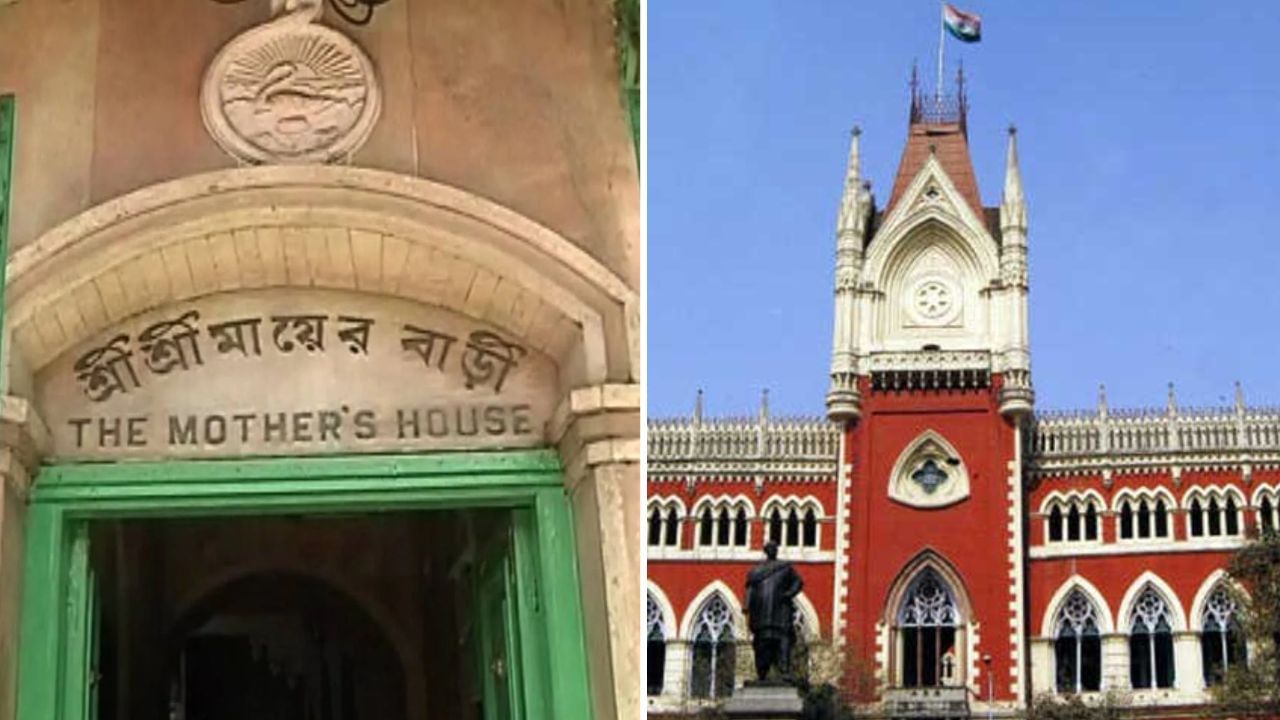
Kolkata High Court Orders Demolition of Illegal Construction Near Sarada Ma’s Historic Home in Baghbazar


Baby Chakraborty, KalimNews, Baghbazar, Kolkata, July 11, 2025 : In a dramatic turn of events, a long-standing family dispute has led to a legal intervention regarding the preservation of Sarada Ma’s historic residence in Baghbazar. The Kolkata High Court has ordered the demolition of an illegally constructed part of the house that had been under construction despite objections from the family and local authorities. The court has given a 30-day deadline for the demolition, following an inquiry into the matter.

Sarada Ma’s home in Baghbazar, a place of deep historical significance, is now at the center of a dispute involving promoters and a long-running family saga. According to local sources, the house once belonged to a disciple of Sarada Ma, named Chandra. A touching story is associated with the home, where, at one point, Sarada Ma broke down in tears upon hearing of Chandra’s struggles. He was homeless, and in her compassion, Sarada Ma reportedly gifted him the house.

The home was later passed down to Chandra’s grandson, Kartik Chandra Dutta. However, after Kartik’s death, promoters allegedly began occupying the house, especially after acquiring the section of the property that had once been owned by Chandra. The remaining part of the home is still occupied by Sameer Dutta and his brother, the surviving heirs of the family.

The controversy surrounding the property has gained traction as the promoters, despite clear legal objections, moved ahead with the construction of a three-storey building. The family claims that the promoter managed to secure approval for the construction despite the fact that the road leading to the house is just four feet wide—insufficient for such a large building.

In 2021, after the Dutta family filed a complaint, municipal authorities visited the site to assess the situation. However, despite evidence of illegal construction, the municipality failed to halt the work, prompting the family to approach the Kolkata High Court.

After thoroughly reviewing reports from the municipal authorities, Justice Soumen Sen issued a stern order, instructing that the illegal portion of the construction be demolished within 30 days. The court’s intervention has been welcomed by the Dutta family and local residents who have long feared the loss of this historical landmark.

The house has long been a site of reverence for many, with numerous people visiting it every day to pay their respects to Sarada Ma. The recent developments have sparked widespread discussions in the community, with many expressing concern over the loss of cultural heritage and the unchecked power of promoters in such matters.

As the clock ticks down, the Dutta family is hopeful that the court’s directive will preserve the legacy of Sarada Ma’s home and prevent any further unauthorized changes to the property. The case highlights growing concerns about the commercialization of historic properties and the protection of such landmarks in urban spaces.

West Bengal Prepares for Voter List Revision Amid Controversy in Bihar


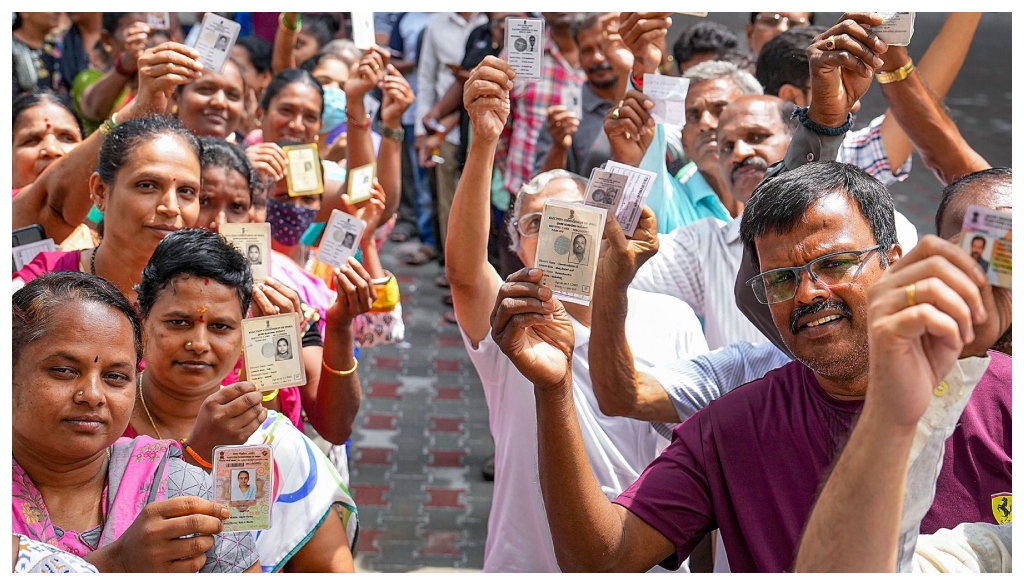
Baby Chakraborty, KalimNews, July 11, 2025, Kolkata :  After Bihar, West Bengal has now embarked on the process of revising its voter list, which has sparked significant political controversy in the neighboring state. While the revision process is underway in Bihar, opposition parties have raised serious concerns, and a legal petition has been filed with the Supreme Court. The controversy in Bihar has led many to believe that the revision model implemented there will soon be adopted across the country, with West Bengal expected to follow suit.

According to reports from the Economic Times, the West Bengal State Election Commission (CEO) is already making extensive internal preparations for the revision, despite not yet receiving an official notification from the Election Commission of India (ECI). Chief Electoral Officer (CEO) Manoj Agarwal confirmed that while his office has not received any formal communication, preparations are being carried out so that work can commence as soon as the notification arrives. It is anticipated that the revision process will begin in August and continue until October, with a potential summary revision taking place later in the year, between November and December.

Sources indicate that the revision in West Bengal is expected to follow a model similar to that of Bihar, with the process likely starting around August 1 and concluding by the end of October. A pre-printed list of counting forms, along with specific documents, will be used for the voter list revision, mirroring the procedures in Bihar. However, based on the ongoing proceedings in the Supreme Court and subsequent legal advice, there could be additions to the list of required documents for verification purposes.

CEO Manoj Agarwal emphasized that although the timeline for the SIR (Summary Revision of the Voter List) is not yet fixed, his office is fully prepared to begin as soon as the official notification and guidelines from the Election Commission are received. Agarwal further pointed out that the filling of vacant posts at the CEO office and district level, including the Booth Level Officers (BLOs), is actively underway. So far, around 70 percent of districts in the state have already held meetings with Electoral Registration Officers (EROs) and local police stations to select new polling stations. The state aims to complete this process by July 15, ensuring that all logistical aspects are in place for the upcoming revision.

As West Bengal gears up for this critical electoral task, the political climate remains charged, especially given the ongoing developments in Bihar. Political parties and citizens alike are watching closely, as the outcome of the voter list revisions could have significant implications for the state’s future elections.

Sukant Majumdar Criticizes CM Mamata and Mayor Firhad Hakim; Defends Dilip Ghosh

Mazumdar Signals BJP’s Assertive Tone Ahead of Elections

Baby Chakraborty | KalimNews | Kolkata | July 10, 2025 : 

On the sacred occasion of Guru Purnima, observed across India with spiritual reverence, political undertones surfaced at Nigmanand Ashram in Halishahar, where Dr. Sukant Majumdar, former West Bengal BJP state president and Member of Parliament, addressed a gathering of devotees and supporters. While paying homage to the guru tradition, Majumdar also used the occasion to voice strong political concerns, delivering a sharp critique of the current West Bengal government led by Chief Minister Mamata Banerjee and the administration of Kolkata Municipal Corporation Mayor Firhad Hakim.

Majumdar began his address by acknowledging the spiritual significance of the day, stating, “We have all gathered here to seek blessings on the auspicious occasion of Guru Purnima.” However, he swiftly pivoted to the socio-political climate in the state, expressing deep dissatisfaction. “My heart feels heavy looking at the condition of West Bengal. While the Chief Minister continues to deliver eloquent speeches, no meaningful work is reaching the people. The state is now mired in rampant corruption and has become a hotbed of money laundering,” he said, voicing concerns that have been echoed across various opposition platforms in recent months.

He reserved particularly pointed criticism for Mayor Firhad Hakim, stating, “The mayor talks constantly about development, yet the realities on the ground — from worsening sewage conditions in Kolkata to increasing civic neglect — tell a different story. Development cannot be claimed merely through photo opportunities and decorative festoons; it must be demonstrated through honest, sustained public service.”

Responding to media queries following his speech, Majumdar was also asked about recent remarks made by senior BJP leader Dilip Ghosh, who is known for his outspoken nature. Clarifying the party’s stance, Majumdar responded calmly, “Dilip da is a senior and experienced leader of our party. His contributions are valuable, and there is no controversy surrounding his statements. In our party, every member has the right to express individual opinions freely.”

Political analysts view this public address as indicative of the Bharatiya Janata Party’s increasingly assertive posture in West Bengal as the state approaches the next assembly elections. What made the moment particularly significant was the platform on which it was delivered — a religious gathering, generally considered apolitical and solemn in nature. Majumdar’s decision to voice political concerns on such a spiritually significant day highlights both the urgency and the strategy behind the BJP’s outreach, signaling a potential fusion of cultural and political narratives in the party’s campaign ahead.

The remarks have since drawn considerable attention in political circles, where it is being interpreted as part of the BJP’s escalating criticism of the ruling Trinamool Congress government. With issues like corruption, poor urban infrastructure, and public grievances becoming recurrent themes in opposition discourse, the party appears to be leveraging every platform — including religious and community events — to build momentum.

While maintaining compliance with constitutional values and democratic expression, Majumdar’s speech, delivered in a respectful and lawful manner, added another layer to the complex and evolving political scenario in West Bengal. As the electoral atmosphere intensifies, such addresses could play a significant role in shaping public discourse and voter sentiment.

Shamik Bhattacharya Advocates Ideological Politics Over Personal Attacks in Bengal BJP


Baby Chakraborty, KalimNews, Kolkata, July 10, 2025 : In a significant and measured departure from the prevailing tone of political discourse, veteran Bharatiya Janata Party (BJP) leader Shamik Bhattacharya has reaffirmed his commitment to ideological politics, cautioning against personal attacks and divisive rhetoric. Launching what many are calling a new chapter in state BJP politics, Bhattacharya made it clear that for him, politics is a clash of principles—not personalities.

Speaking to reporters, Bhattacharya identified West Bengal Chief Minister Mamata Banerjee as the BJP’s principal political opponent. However, he strongly opposed engaging in personal attacks against her, asserting, “Mamata Banerjee is the main opponent. However, attacking her personally is not the work of politics. Politics means a fight of one ideology with another ideology, a clash of one program with a counter-program.” His remarks stand in stark contrast to the aggressive and often personal tone taken by a section of BJP leaders, especially those from the newer crop of state leadership.

In a further attempt to reframe the party’s image, Bhattacharya also addressed the minority communities directly, urging them not to see the BJP as an adversary. This message, seen as an effort to distance himself from religion-based polarisation, aligns with his broader narrative of inclusive, issue-based politics. Political observers note that his appeal is likely aimed at dismantling longstanding apprehensions about the BJP among minority groups in Bengal.

Bhattacharya’s comments are being widely viewed as a rebuke—though implicit—of the confrontational and Hindutva-driven approach espoused by leaders like Suvendu Adhikari, who have regularly courted controversy with provocative statements against Chief Minister Mamata Banerjee. In contrast, Shamik’s tone has been described by political commentators as “grounded,” “rational,” and “more mature,” reflective of a faction within the BJP that favours ideological clarity over inflammatory theatrics.

According to political analysts, Bhattacharya represents a growing divide within the state BJP—between those who advocate combative identity politics and those pushing for a more constructive, policy-driven opposition. “The ideological divide within the BJP is becoming more pronounced. Shamik is a healthy example of it,” said one political expert, underscoring the broader implications of this internal evolution within the party.

However, as Bhattacharya takes this relatively rare path of moderation within the high-pitched environment of Bengal politics, a lingering question remains—how long will this politics of tolerance and ideological discourse be sustainable in the face of rising factionalism? And more importantly, will his voice of restraint and ideological focus gain enough traction within the saffron camp to influence its direction ahead of the next electoral battles?

For now, Shamik Bhattacharya’s positioning marks a notable shift and may signal an emerging rethink in the BJP’s Bengal strategy—one that could either redefine or isolate his brand of politics in the months to come.

Minister Siddiqullah Chowdhury Withdraws Resignation After Attack; CM Mamata Assures Swift Action Amid TMC Tensions


Baby Chakraborty, KalimNews, Kolkata, July 10, 2025 West Bengal’s political landscape witnessed fresh turbulence following a violent attack on State Library Minister Siddiqullah Chowdhury during a preparatory visit for the upcoming Trinamool Congress (TMC) Martyrs’ Day rally, scheduled for July 21. The incident occurred on July 3, 2025, in Monteswar, Purba Bardhaman, where a section of alleged party workers, some armed with brooms, waved black flags and attacked the minister’s convoy. Chowdhury’s car was targeted in front of the police, his driver sustained injuries, and the minister himself narrowly escaped harm.

Following the attack, Chowdhury expressed grave dissatisfaction with the law enforcement response, stating that the local police had prior knowledge of a possible threat but failed to act in time. In the immediate aftermath, he named Ahmed Hussain Shek, President of the Monteswar Panchayat Samiti, as the alleged mastermind behind the assault, branding him a “known anti-social element.”

Deeply aggrieved, Minister Chowdhury initially announced his intention to resign, declaring, “If those responsible are not thrown out of the party, I will leave. I will gather 20 lakh people for a rally.” His statement added significant pressure to an already sensitive situation, especially with the TMC intensifying preparations for its flagship July 21 event. 

Chowdhury, known for his influential role in mobilising public support, had previously led protests on the Waqf law issue that had disrupted city functioning, underlining his capacity to stir mass mobilisations.

The incident prompted swift political and administrative response. Chief Minister Mamata Banerjee personally intervened, calling the minister the day after the incident and assuring him of strict action against the perpetrators. According to sources at Nabanna, the Chief Minister’s call lasted around five minutes, during which she reportedly reiterated the state administration’s commitment to justice. This assurance ultimately led the minister to retract his resignation and reaffirm his association with the party.

Minister Chowdhury later confirmed that the Chief Minister had assured him that strong disciplinary and legal measures would be taken wherever such incidents occurred. “Seven people have been arrested. I have submitted the names of those involved to the police. The administration knows who the offenders are. The Chief Minister said strict action will be taken anywhere such incidents happen,” Chowdhury stated, indicating a renewed confidence in the state’s response mechanisms.

Police have arrested seven individuals so far in connection with the case and filed FIRs against 41 others. One of the arrested persons is reportedly linked to the Trinamool Chhatra Parishad (TMCP), further complicating the internal dynamics of the ruling party. The attack, allegedly orchestrated by disgruntled party workers from Chowdhury’s own constituency, highlights growing factionalism within local TMC ranks.

The gravity of the incident also caught the attention of senior TMC leader Firhad Hakim, who reached out to the minister over the phone. Chowdhury, who had been on the verge of resigning from both ministerial duties and party membership, softened his stance following Hakim’s intervention, eventually reaffirming his commitment after speaking to the Chief Minister.

Minister Chowdhury, clearly shaken but resolute, also met with the Superintendent of Police to lodge a formal complaint. He emphasised that if a state minister could be attacked in broad daylight, it raised serious concerns about the safety and faith of the general public in law enforcement. “If a minister is not safe, how will ordinary people trust the police to protect them?” he questioned, underscoring the broader implications of the incident on public confidence in state governance.

This episode, coming just weeks before the politically significant July 21 rally, has put the TMC leadership on high alert. While the Chief Minister’s quick response has helped to de-escalate immediate tensions, the incident has exposed rifts within the party and raised questions about internal discipline and grassroots control. With key leaders like Siddiqullah Chowdhury playing crucial roles in maintaining support bases, ensuring their protection and confidence remains vital for the party’s cohesion and electoral prospects.

As the investigation continues and the administration pledges firm action, all eyes remain on how the ruling party manages internal dissent while preparing for one of its most symbolic political gatherings of the year.

Dilip Ghosh Responds to Mamata Banerjee’s NRC Remarks, Quashes Speculation on Joining Trinamool


Baby Chakraborty, KalimNews, July 8, 2025, Kolkata : Political temperatures in West Bengal have risen once again following a sharp exchange between former state BJP president Dilip Ghosh and Chief Minister Mamata Banerjee. The controversy began when Banerjee criticized the Assam government’s actions concerning the National Register of Citizens (NRC) and its alleged implications in West Bengal.

The issue arose when Assam’s Foreigners Tribunal issued an NRC notice to Uttam Kumar Brajbasi, a resident of Cooch Behar, who belongs to the Rajbangshi community. In a strongly-worded post on X (formerly Twitter), Mamata Banerjee expressed her outrage, calling the action “a planned attack on democracy.” 

She accused the ruling BJP government in Assam of attempting to impose NRC in West Bengal, a state where the BJP has limited influence. Banerjee denounced the move as part of a larger “dirty conspiracy” to intimidate and disenfranchise marginalized communities. The Chief Minister called the NRC imposition unconstitutional and urged opposition parties to unite against what she described as the BJP’s divisive and oppressive tactics.

Dilip Ghosh, who has been the subject of intense speculation regarding a possible defection to the Trinamool Congress, responded directly to Mamata’s post. Through a message on X, Ghosh took a firm stance, stating, “NRC is a law. If the Chief Minister has something to say, then do not trend on social media and proceed through the administrative path.” His comment, while addressing the NRC controversy, also seemed to dispel rumors regarding his alleged plans to join the Trinamool. Political insiders suggest that his statement served as a clear indication that Ghosh had no intentions of aligning with the ruling party.

Adding to the intrigue, Ghosh later met with the newly appointed state BJP president Shamik Bhattacharya at the party office in Salt Lake. After the meeting, Ghosh affirmed his commitment to the BJP’s mission in West Bengal, declaring his support for Bhattacharya as they set their sights on “cleansing” the Trinamool Congress from Bengal in the upcoming 2026 elections. This statement further reinforces Ghosh’s position within the BJP, putting to rest any speculation about a shift in political allegiance.

As the political drama unfolds, it remains clear that the battle for control of West Bengal is intensifying, with both the BJP and Trinamool Congress gearing up for a significant showdown in the near future.