Category Archives: Politics

India and China Agree to Troop Withdrawal in Major Diplomatic Breakthrough Ahead of BRICS Summit

Baby Chakraborty, KalimNews, October 21, 2024, New Delhi : In a significant diplomatic breakthrough, India and China have agreed to initiate the withdrawal of troops from the Line of Actual Control (LAC), marking a positive step toward resolving the long-standing border disputes between the two nations. The agreement comes after several weeks of intense negotiations, paving the way for improved bilateral relations ahead of Prime Minister Narendra Modi’s visit to Russia for the BRICS summit.


On Monday, Foreign Secretary Vikram Mistry confirmed the development during a press briefing, stating, “For several weeks, mediators from India and China have been engaged in continuous discussions. These talks have resulted in agreements on several critical issues, including measures to address tensions along the LAC.”

According to Mistry, both countries are now prepared to take concrete steps to resolve the disputes that escalated in 2020, including the gradual withdrawal of troops from sensitive areas along the border. While the withdrawal process has been agreed upon, military surveillance will continue to ensure the security and stability of the region.

This agreement follows earlier peace-building efforts in August when both nations began discussions aimed at de-escalating tensions at the border. The latest developments represent a significant move forward in improving relations between the two Asian powers, whose ties have been strained since the 2020 border clashes.

However, the Foreign Secretary refrained from revealing specific details of the agreement, particularly concerning ongoing concerns about Chinese military construction in disputed areas along the LAC. The lack of clarity has left analysts speculating about the nature of the agreements reached, though it is clear that both sides are committed to maintaining surveillance and monitoring activities in the region to prevent further escalations.

Experts believe that this diplomatic breakthrough sets the stage for a potential bilateral meeting between Prime Minister Narendra Modi and Chinese President Xi Jinping during the upcoming BRICS summit in Russia. If such a meeting occurs, it could signal a new chapter in India-China relations, with the possibility of further discussions on border security and regional stability.

India and China’s decision to move forward on troop withdrawal is being viewed as a major success for both countries’ diplomatic efforts, particularly for India, which has sought to restore peace at the border while ensuring the protection of its sovereignty. The development comes at a critical time for Prime Minister Modi as he prepares to engage in high-level discussions with global leaders at the BRICS summit.

While the immediate outcome is a welcome sign of easing tensions, the ongoing military surveillance underscores the fragility of the situation. Diplomatic experts caution that while this agreement is a positive step, the long-term resolution of the border disputes will require continued dialogue and cooperation.

The next few weeks will be crucial in determining how the agreement between India and China evolves and whether it leads to a lasting resolution of the border conflict that has tested diplomatic relations between the two nations for decades.

India Today: In a significant breakthrough, India and China have agreed to resume joint patrolling at key friction points along the Line of Actual Control (LAC) in eastern Ladakh. This agreement follows years of military standoffs since the 2020 Galwan Valley clash, which brought the two nations to a diplomatic and military impasse.

The deal, seen as a crucial step in the disengagement process, signals progress in the historically tense areas of Depsang Plains and Demchok, where tensions have remained high since the 2020 confrontation.

Diplomatic and Military Efforts Lead to Breakthrough

According to Foreign Secretary Vikram Misri, this agreement is the culmination of weeks of intense diplomatic and military negotiations. Addressing the media on Monday, Misri said, “Both sides have been in close contact over the last several weeks, working through multiple channels to address long-standing issues.”

The breakthrough follows multiple rounds of military talks that have led to disengagement at other flashpoints along the LAC, such as Pangong Tso, Gogra, and Hot Springs. Defence sources indicated that both the Ministry of External Affairs (MEA) and the Indian Army were actively involved in the negotiations, focusing on ensuring smooth resumption of patrols in areas where disengagement has already occurred.

Depsang and Demchok, however, presented unique challenges due to their strategic importance. The agreement reactivates more than five critical patrol points under stringent monitoring, a significant achievement for both nations in stabilizing the region.

From Galwan to Depsang: Steps Toward Disengagement

The path to this agreement began after the 2020 Galwan Valley clash, which resulted in several disengagement initiatives:

  • Galwan Valley (June 2020): Following a violent skirmish, both sides agreed to disengage, establishing buffer zones.
  • Pangong Tso (February 2021): Troops withdrew from the north and south banks of Pangong Lake, marking a significant step in de-escalation.
  • Gogra Post (August 2021): Forces disengaged from Patrolling Point 17A, creating buffer zones.
  • Hot Springs (September 2022): Patrolling Point 15 saw disengagement, further easing tensions.

Depsang Plains and Demchok had remained unresolved, with negotiations stalling in previous rounds. The current agreement reflects both countries’ readiness to address these long-standing disputes and advance the disengagement process in the most challenging areas.

BRICS Summit: A Platform for Bilateral Talks

Although the specifics of the agreement are yet to be fully disclosed, further clarity is expected during the upcoming BRICS summit in Kazan, Russia. It is anticipated that Indian Prime Minister Narendra Modi and Chinese President Xi Jinping may hold bilateral talks to finalize the modalities of the disengagement.

Defence insiders suggest that these talks will focus on determining whether patrolling will follow pre-2020 Standard Operating Procedures (SOPs) or a new protocol designed to avoid further confrontation. Sources have indicated that Chinese troops will withdraw from key areas in Depsang, allowing Indian patrols to regain access to regions that had been previously blocked since 2020.

Government Hails Diplomatic Success

External Affairs Minister S. Jaishankar lauded the agreement as a major diplomatic achievement, emphasizing the importance of patient negotiations that began after his 2020 meeting with Chinese Foreign Minister Wang Yi in Moscow. “This agreement on patrolling is a product of very patient and persevering diplomacy. It is a positive development that will restore the peace and tranquillity that existed before 2020,” Jaishankar said.

He further noted that the agreement will enable India to resume patrolling in areas that had been blocked during the standoff, helping normalize the situation along the LAC. “There are areas where, for various reasons after 2020, they had blocked us, and we blocked them. What has happened is that we reached an understanding which will allow the patrolling… Depsang is not the only place,” Jaishankar added.

Moving Forward

The agreement to resume patrolling in the sensitive areas along the LAC marks a major step toward de-escalating tensions between India and China. While the disengagement process is still ongoing, this development is expected to stabilize the situation and prevent further confrontations, particularly in critical regions like Depsang and Demchok.

With sustained diplomatic and military efforts on both sides, the path to a lasting resolution seems closer, although the situation will continue to be monitored carefully as both nations work toward a peaceful resolution of their border disputes.

John Barla’s Sister Marina Kujur Quits BJP, Joins Trinamool; Cites Mamata Banerjee’s Development Initiatives

Baby Chakraborty, KalimNews, October 21, 2024, Jalpaiguri  :  

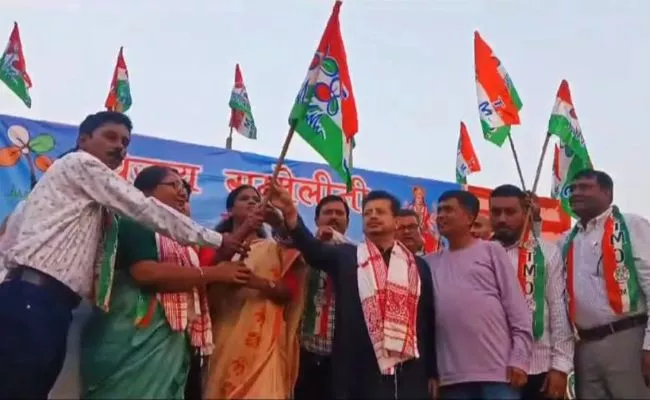
In a significant political development in North Bengal, Marina Kujur, elder sister of former Union Minister and senior BJP leader John Barla, has quit the BJP and joined the Trinamool Congress (TMC). Kujur, a prominent figure in the region, switched allegiance during a Vijaya Sammilani event organized by Trinamool in Nagarakatta, Jalpaiguri.

At the event, Marina Kujur was formally welcomed into the ruling party by INTTUC state president Ritabrata Banerjee, who handed her the Trinamool Congress flag in front of a gathering of party supporters. Kujur’s defection, along with several of her supporters, deals a blow to the BJP’s foothold in the region, especially given her role as the district president of Jalpaiguri’s ST (Scheduled Tribe) Morcha.

Marina Kujur was elected on a BJP ticket from the Sulkapara area during the 2018 Panchayat elections and had been a key leader in the tribal belt of North Bengal. Recent political rumors suggested that Kujur was hoping for a BJP ticket in the upcoming by-elections. However, after not securing a ticket, she decided to leave the party.

In a statement after joining Trinamool, Marina expressed her admiration for the development work undertaken by Chief Minister Mamata Banerjee as her primary reason for the switch. “I have witnessed the remarkable progress brought about by Mamata Banerjee’s government. It’s time to work for the people in a more meaningful way, and I believe TMC is the right platform for that,” she said.

She also criticized the BJP, accusing it of not providing her with the support she needed as a leader. “Despite my contributions to the party and the community, I received little encouragement or assistance from the BJP,” she added.

Kujur was quick to clarify that her decision to leave the BJP and join Trinamool was made independently, stating that her brother, John Barla, had no involvement. Barla, a former Union Minister of State, has been a prominent face in BJP’s politics in North Bengal, but this latest move highlights internal friction within the party.

The BJP’s failure to nominate John Barla for the 2024 Lok Sabha polls also seems to have deepened the divide. While Marina Kujur’s decision has sparked speculation of further rifts within the BJP, her departure is seen as a boost for Trinamool, which is aiming to consolidate its support base in North Bengal ahead of the 2026 West Bengal Assembly elections.

As the political landscape in North Bengal continues to evolve, Kujur’s defection serves as a reminder of the shifting allegiances and the growing importance of grassroots leadership in determining party dynamics. The coming months are likely to see more maneuvering as both BJP and Trinamool position themselves for the upcoming electoral battles.

Birbhum’s Political ‘Tiger’ Anubrata Mondal Hints at Stepping Down as Trinamool District President

Baby Chakraborty, KalimNews, October 21, 2024, Birbhum : Anubrata Mondal, the influential Trinamool Congress (TMC) leader from Birbhum, popularly known as the ‘Tiger’ of Birbhum, has returned home from Tihar Jail just in time for the Durga Puja festivities. Back in his home district, Mondal is already making moves to strengthen the party’s organization, but his return has also come with an unexpected announcement about his political future.


Speaking at a Vijaya Sammilani (post-Puja gathering) in Purandarpur, Siuri, on Monday, Mondal hinted at stepping down from his post as Trinamool’s Birbhum district president—a position he has held for years. However, he assured his supporters that this transition wouldn’t happen until after the 2026 state elections, when, he predicted, Mamata Banerjee would be re-elected as Chief Minister for a historic fourth term. “I will leave the post after making Mamata Banerjee Chief Minister again. I won’t leave alone, Nurul and I will step down together like two grandfathers,” Mondal remarked, referring to his close associate Nurul Islam.

Nurul Islam, another key political figure in Birbhum and a long-time confidante of Mondal, was also the subject of speculation. Known as the ‘second-in-command’ or ‘President of the 2nd block,’ Nurul has been vocal about stepping down from his role to make way for the next generation of leaders. In July 2024, he had written to senior TMC leaders Abhishek Banerjee and Shatabdi Roy expressing his desire to step aside. However, there have been reports that Nurul Islam hesitated to resign amid an ongoing CBI investigation linked to financial accounts.

Mondal’s comments have sparked curiosity within the party and beyond. His leadership in Birbhum has been marked by a strong and sometimes controversial style of politics. Under his leadership, Birbhum became one of Trinamool’s most loyal strongholds, with Mondal known for rallying the party workers with fiery speeches and maintaining a tight grip on the district’s political machinery.

After his release from Tihar Jail, where he had been held in connection with various legal issues, Mondal quickly resumed his political activities. At a previous meeting in Murray, he had urged party workers to unite ahead of the 2026 elections, underscoring the importance of internal cohesion. However, his latest speech in Siuri was delivered with a more reflective tone, signaling a potential shift in the district’s leadership in the near future.

Mondal’s close ties with Nurul Islam are also an important factor in the political landscape of Birbhum. Both men started their political journey together and are considered inseparable within local political circles. Many see Nurul as Mondal’s natural successor, though the CBI’s scrutiny over financial irregularities has added an element of uncertainty to his future.

The possibility of Mondal stepping down marks a significant moment for the Trinamool Congress in Birbhum. As 2026 approaches, all eyes are on how the party, both locally and statewide, will navigate the upcoming elections, particularly as it faces challenges from opposition parties as well as internal transitions.

For now, Anubrata Mondal remains at the helm, rallying his supporters with confidence, while signaling that a change in leadership may not be far off, but only after ensuring the continuation of Mamata Banerjee’s leadership at the state level.

Updates from the Meeting Between Chief Minister and Junior Doctors

Baby Chakraborty, KalimNews, October 21, 2024, Kolkata : In a significant meeting held today, Chief Minister Mamata Banerjee engaged with junior doctors in Kolkata, addressing ongoing concerns within the medical community. The meeting was livestreamed, allowing the public to witness the dialogue between the Chief Minister and healthcare professionals.

Today’s meeting between Chief Minister Mamata Banerjee and junior doctors was livestreamed, allowing the public to observe the discussion.

Chief Minister: “I hope my siblings are physically well. It is a good thing that you have accepted the time.”

Chief Minister: “I hope you will not increase the demands. Increasing demands every day makes it difficult for us.”

Asfaqullah Naiya: “Every time we come late, there is a complaint. But every time, the communication is delayed, so we arrive late. This time it did not happen, so we were not late. The physical condition of the fasting junior doctors is not very good; however, they are continuing their hunger strike.”

Debashis Halder mentioned Sandeep Ghosh, ex-principal of RG Kar Medical College and Hospital, and Ashish Pandey, who are accused of contributing to a culture of threats from the Navanna meeting. The Chief Minister objected, stating, “Those who are not here should not be named. Doctors should express what they want to say.” Debashis responded, “There are complaints against some of them. What should we do in that case?” The Chief Minister replied, “There are complaints against many people.”

Kinjal Nanda raised a point regarding those accused in the vandalism at RG Kar Medical College and Hospital on August 14, asking for the Chief Minister’s opinion on the matter. The Chief Minister asked, “Is this a new demand or not?” The doctors clarified, “It was just a statement.”

Aniket Mahato, a third-year postgraduate trainee at RG Kar Medical College and Hospital, expressed his surprise at the alleged cycle of crime occurring within the college. He stated that there needs to be an impartial committee where anyone with complaints can come forward.

The junior doctors demanded the removal of Health Secretary Narayanswaroop Nigam during the Navanna meeting. A young woman explained the difference between the accused and the guilty.

Chief Minister: “I claim that the resignation was made under pressure in North Bengal. That is also a kind of threat culture.”

Chief Minister: “I will not blame you alone. Maybe we were wrong. There was an error, for which you have to go to this place.”

The Chief Minister expressed final frustration towards the principal of RG Kar Medical College and Hospital, demanding, “You suspended 47 people yourself? Why didn’t you send the proposal to the health department? From there, I would decide. Is it not a threat culture?”

Aniket Mahato then entered into a direct conflict with Chief Minister Mamata Banerjee, asserting that he had been suspended after an investigation by the committee. He spoke on behalf of the principal of RG Kar.

He noted, “We can’t just do two things. Our hands are tied. First, the RG Kar Medical College and Hospital rape and murder case is being tried in the Supreme Court. Secondly, the government cannot change the Medical Council from time to time.”

Chief Minister: “I fasted for 26 days. Not a single government official came to me. I myself went to Dharanasthal. I have sent the chief secretaries. I have inquired about the health of the doctors on hunger strike every day. I searched for hours.”

Chief Minister: “We cannot sleep at home if you are out. Please lift your hunger strike.”

Key Highlights from the Meeting

Chief Minister’s Opening Remarks
The Chief Minister opened the discussion with a message of hope for the junior doctors, stating, “I hope my siblings are physically well. It is a good thing that you have accepted the time.” She expressed her concerns about the continuous rise in demands from the doctors, noting that it complicates the government’s ability to respond effectively.
Doctors Express Their Concerns
Asfaqullah Naiya, representing the junior doctors, emphasized the challenges faced during negotiations. “Every time we come late, there is a complaint. But every time the communication is late, we are a little late,” he said. He highlighted that the physical condition of fasting junior doctors is deteriorating, yet they continue their hunger strike in solidarity for their cause.
Discussion of Accusations and Accountability
Debashis Halder raised serious concerns regarding individuals implicated in a threatening culture, mentioning Sandeep Ghosh and Ashish Pandey during the meeting. The Chief Minister objected to naming individuals not present, asserting that doctors should focus on expressing their grievances rather than making accusations. Debashis countered that complaints must be addressed, leading to a robust discussion about accountability within the healthcare system.
Demands for Transparency and Fairness
Junior doctor Kinjal Nanda questioned the handling of recent vandalism at RG Kar Medical College and Hospital, seeking clarity on the government’s stance. The Chief Minister responded, “Is this a new demand or not?” reinforcing the notion that the meeting was not merely a platform for airing grievances but for seeking constructive solutions.

Aniket Mahato, a third-year postgraduate trainee at RG Kar, voiced the need for an impartial committee to handle complaints against individuals involved in misconduct. His comments underscored the desire for transparency and fairness in addressing grievances within the institution.

Call for Cooperation

The Chief Minister reiterated her commitment to supporting the doctors, recounting her own experience of fasting for 26 days, during which no government officials visited her. “I cannot sleep at home if you are out,” she implored, urging the junior doctors to lift their hunger strike.

As tensions remained palpable, the Chief Minister expressed frustration over the handling of the RG Kar Medical College situation, demanding accountability from the principal regarding the suspension of staff members. “Why didn’t you send the proposal to the health department? I would decide. Is it not a threat culture?” she challenged.

A Path Forward

The meeting concluded with a shared acknowledgment of the difficulties faced by both parties. While the Chief Minister recognized the need for improvement, the junior doctors emphasized the urgency of their demands. As the dialogue continues, both sides express hope for a resolution that ensures the safety and well-being of medical professionals and patients alike.

This meeting reflects a crucial moment in the ongoing conversation about the state of healthcare in West Bengal, with both the government and junior doctors striving for a harmonious and effective working environment.

By-election Countdown Begins for Medinipur Vidhan Sabha: Polls Scheduled for November 13


Baby Chakraborty, KalimNews, October 19, 2024, Medinipur: The stage is set for one of the most closely watched by-elections in West Bengal as Medinipur Bidhan Sabha gears up for polling on November 13. This election is part of the larger by-election process that will take place across six constituencies in the state, and the Election Commission of India (ECI) has initiated preparations to ensure a smooth and transparent electoral process.

According to the ECI, the process of submitting nominations is already underway, having begun on Friday, October 18, and will continue until October 25. A key highlight of this year’s by-election is the directive requiring candidates to submit a “No Dues Certificate” before their nominations can be accepted, as stated by the District Election Officer, Madhumita Mukherjee.

The Medinipur Assembly constituency covers areas from the Sadar Block and parts of Shalbani, with a voter base of 2,91,643 individuals. This includes 1,48,100 female voters, 1,43,542 male voters, and one voter registered as third gender. Additionally, the district authorities have confirmed that a total of 304 polling stations have been set up for the election, including two booths exclusively for women. The constituency has been divided into 25 sectors for administrative ease and monitoring.

In a bid to ensure free and fair elections, the administration has deployed four flying squad teams and mandated 100% deployment of Central Armed Police Forces (CAPF) across the constituency. Webcasting facilities will also be available to monitor activities in real-time during polling, further boosting transparency.

The use of electronic voting machines (EVMs) has been carefully planned, with 594 Voter Verifiable Paper Audit Trail (VVPAT) machines, 593 Control Units (CU), and 606 Ballot Units (BU) prepared for the event. The administration is also paying special attention to voter inclusivity, with 782 Persons with Disabilities (PWD) voters and 2,607 voters aged above 85 being provided necessary facilities for hassle-free participation.

To ensure voters remain well-informed and any potential concerns are promptly addressed, a dedicated election helpline has been set up at 1950, allowing residents to easily access election-related information.

The results of this by-election will be declared on November 23, and the outcome is expected to play a significant role in shaping the political landscape of the region. With a robust security plan and extensive preparations in place, the Medinipur constituency is gearing up for a crucial electoral contest that could determine the direction of local governance for years to come.

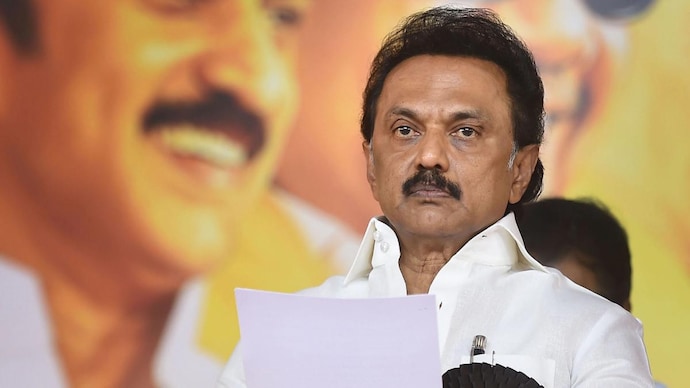
Tamil Nadu Chief Minister MK Stalin Condemns Hindi Month Celebration Amid Controversy

Baby Chakraborty, KalimNews, October 19, 2024, Chennai — The ongoing debate over the promotion of the Hindi language has resurfaced in Tamil Nadu, as Chief Minister MK Stalin vehemently criticized the celebration of Hindi Month by Chennai Doordarshan. This renewed conflict highlights the tensions surrounding linguistic diversity in India, particularly in non-Hindi-speaking states.


Stalin articulated his concerns during a press conference, asserting that the observance of Hindi Month in Tamil Nadu is an affront to the rich tapestry of languages that constitute the country. He stated, “India is a country of many languages. The forced celebration of Hindi Month in non-Hindi-speaking states is actually belittling other languages.” His comments reflect a broader sentiment in the southern states, where there is increasing pushback against perceived impositions of Hindi.

The controversy intensified when the state anthem, “Tamil Thai Vazhthu,” was performed without the word “Dravidian,” sparking allegations of insensitivity towards Tamil identity. Stalin took aim at Governor R.N. Ravi, claiming that he suffers from a “Dravidian allergy.” “Singing the Tamil Nadu state anthem without the word ‘Dravidian’ is against Tamil Nadu law,” Stalin emphasized. He accused the Governor of disrespecting the unity of the country and the sentiments of the Tamil community, insisting that the central government should intervene to remove a Governor who “deliberately hurt the sentiments of Tamil Nadu and its people.”

In a post on X (formerly Twitter), Stalin stated, “I strongly condemn the celebration of Hindi Month on Doordarshan. The Prime Minister’s Office has not given the status of a constitutional language to Hindi. My suggestion is to cease the forced promotion of Hindi in non-Hindi states. Events should be organized in the respective languages, respecting the linguistic diversity of each state.”

In response, the Governor’s office dismissed Stalin’s allegations, clarifying that the Governor was merely a guest at the event and had not issued any directives regarding the anthem. They contended that the omission of the word “Dravidian” was unintentional and the result of oversight by those performing the song.

Stalin, however, rejected this explanation, noting that similar incidents have occurred in the past and asserting that the issue at hand is not one of carelessness but a deeper disregard for Tamil identity. The Governor, for his part, retorted that Tamil Nadu uniquely opposes all languages except its own within the framework of the trilingual formula, while other states have embraced this principle.

As tensions escalate, the debate over language rights and cultural identity in Tamil Nadu continues to provoke strong reactions from both political leaders and the public. Further developments are expected as stakeholders navigate this complex issue.

Sumana Mahapatra Resigns from Trinamool Congress Positions Amid Political Turmoil

Baby Chakraborty, KalimNews, October 19, 2024, Kolkata : In a significant political development, Sumana Mahapatra, the wife of former minister and Trinamool MLA Soumen Mahapatra, has announced her resignation from all positions within the Trinamool Congress. This decision follows her earlier expression of intent to step down as president of the Panshkura city Trinamool Congress a few months ago.


Sources indicate that Sumana formally submitted her resignation letter to the party’s state president, Subrata Bakshi, and All India General Secretary, Abhishek Bandyopadhyay. Additionally, she informed the district president of her resignation via telephone yesterday.

Historically, Soumen Mahapatra was a prominent Trinamool leader in Dapute, East Medinipur district. He ascended to the role of district president after Shuvendu Adhikari’s departure from the party. However, in a surprising turn of events, he was removed from his ministerial role and the district presidency, leading to speculation that his removal was linked to plans for him to contest the Tamluk Lok Sabha seat in the upcoming elections. Instead, Devanshu Bhattacharya was nominated for that constituency, raising eyebrows about the party’s internal dynamics.

In the wake of Soumen Mahapatra’s diminishing influence within the party, concerns have emerged regarding Sumana’s resignation, which is seen as a reflection of the ongoing factional conflicts within the Trinamool Congress, particularly in Panshkura. Reports have surfaced detailing tensions between Sumana and various municipal council members, indicating that internal strife may have contributed to her decision.

Adding to the controversy, a few days ago, both Soumen and Sumana publicly accused certain factions within the party of using social media to implicate their son, Bodhisattva, in an ongoing RG tax case. This incident has intensified scrutiny of the family, as political rivals seek to leverage these challenges against them.

As the political landscape continues to evolve, all eyes remain on the Mahapatra family and their next moves within the shifting dynamics of the Trinamool Congress. Further developments are anticipated as party members and constituents react to these significant changes.

Security Concerns in Bengal Hospitals: CM Holds Emergency Meetings to Address Safety Issues

Baby Chakraborty, KalimNews, October 18, 2024, Kolkata: Following the shocking incident at RG Kar Medical College, concerns about the security of hospitals across West Bengal have escalated, prompting widespread demands from junior doctors for enhanced safety measures. In response to growing pressure, Chief Minister Mamata Banerjee convened a high-level meeting on Friday to address the urgent issues of hospital security and patient services in the state’s medical institutions.


The meeting, held with Chief Secretary Manoj Pant and Health Secretary Narayanswaroop Nigam, focused on reviewing current security arrangements and improving patient services in medical colleges and hospitals. Sources indicate that the government is taking the situation seriously, as further discussions have been scheduled for later in the day.

In today’s preliminary discussions, the installation of CCTV cameras in all medical colleges and hospitals was a key topic. The chief secretary and health secretary also reviewed the progress of various security initiatives. The meeting, held at the Chief Minister’s Kalighat residence, sought to expedite security upgrades and safeguard both patients and medical professionals.

A follow-up meeting is set to take place this afternoon at the state secretariat, Nabanna, where senior officials from the Health Department, including hospital superintendents and Chief Medical Officers of Health (CMOH), are expected to participate. The session will focus on finalizing the action plan for tightening security across the state’s hospitals.

Amidst these developments, the Bengal government has reaffirmed its commitment to strengthening the state’s healthcare infrastructure. An allocation of ₹100 crore has been made for the improvement of medical colleges and hospitals. This funding will be directed towards not only security measures but also enhancing patient services and referral systems.

The RG Kar incident has clearly highlighted the vulnerabilities in the state’s healthcare facilities, and today’s meetings are seen as a crucial step towards addressing the concerns raised by medical staff. The outcomes of these discussions will be closely monitored, as the government seeks to reassure both the medical community and the public of its commitment to safety and healthcare excellence.

BJP Strategizes for Bengal By-Elections: Former Leaders May Contest in Key Seats

Baby Chakraborty, KalimNews, October 17, 2024, Kolkata : As the by-elections in six assembly constituencies in West Bengal draw closer, the BJP is ramping up its preparations to secure critical wins, with speculations swirling about the return of prominent leaders like Dilip Ghosh, Nishit Pramanik, and Arjun Singh as candidat
es. The Left has intensified its movement on the RG tax issue, but in response, the BJP is gearing up to counter with a robust campaign ahead of the November 13 polls.


The six constituencies—Sittai, Madarihat, Naihati, Haroa, Medinipur, and Taldangra—are set to witness intense political battles. Of these, Madarihat was the only seat held by the BJP, but it is now vacant after MLA Manoj Tigga became a Member of Parliament from the Alipurduar Lok Sabha seat. The BJP is determined to retain Madarihat and is aiming to win at least one more seat as part of its broader strategy.

On Tuesday, the BJP held a high-level meeting at its Salt Lake office in Kolkata, attended by state general secretaries and central leaders such as Sunil Bansal, Mangal Pandey, and Amit Malviya Rao. The meeting focused on aggressive campaigning, particularly in the Medinipur and Naihati constituencies, where the party sees potential for gains. The leadership emphasized that retaining the Madarihat seat is non-negotiable and that winning additional seats would be a critical victory in the party’s quest to expand its influence in the state.

Amid these preparations, there is growing anticipation that former MPs Dilip Ghosh, Nishit Pramanik, and Arjun Singh, who were defeated in the last Lok Sabha elections, could return to the political fray in the upcoming by-elections. Discussions have been held about fielding Ghosh in Sittai, Pramanik in Medinipur, and Singh in Naihati. The potential return of these heavyweight leaders could bolster the BJP’s chances, as they are well-known figures with established voter bases.

However, final decisions regarding the candidates are yet to be made, as BJP State President Sukanta Majumder is currently on an official tour of North Africa with the President of India. Majumder is expected to return to Kolkata on October 21, after which a more formal announcement regarding the candidates may be made.

The stakes are high for the BJP, which has been looking to strengthen its foothold in West Bengal after facing setbacks in recent elections. With by-elections now in sight, the party is leaving no stone unturned, deploying senior leaders and planning rigorous campaigns to sway voters in key constituencies.

The political atmosphere in West Bengal is set to heat up in the coming weeks as both the ruling party and opposition gear up for a fierce battle, with the results likely to serve as an important indicator of the political mood ahead of the 2026 assembly elections.

State-Wide Civic Volunteer Census Underway Amid Growing Concerns Over Recruitment and Management

Baby Chakraborty, KalimNews, October 17, 2024, Kolkata  :  

The West Bengal state police have initiated a comprehensive civic volunteer census, aimed at gathering detailed information for the Supreme Court regarding the recruitment and functioning of civic volunteers across districts. This move comes amidst rising concerns over the unregulated appointment process and the increasing financial burden on the state.

The ongoing census will document various aspects of the civic volunteers’ roles, including their numbers in each district, recruitment procedures, and the age and height norms, if any. The state police are compiling this information and will review it after all district reports are submitted to the Police Directorate. Any gaps or irregularities found will reportedly be addressed by the authorities.

Civic volunteers, originally recruited under Chief Minister Mamata Banerjee’s administration to combat unemployment among the youth, have become a vital part of district police operations. With the number of civic volunteers now approaching 1,40,000, they serve as essential aides in managing police stations and outposts, especially in the face of a shortage of regular police personnel.

While officially considered assistants, civic volunteers are often tasked with key police duties, such as guarding crime scenes and assisting in investigations, leading to frequent public and legal debates. Despite a High Court order limiting their use in law and order duties, allegations have emerged that civic volunteers are still being deployed in these roles, sometimes facing violent repercussions.

One of the major issues under scrutiny is the lack of a standardized recruitment process. Civic volunteers are hired by district Superintendents of Police, with minimal eligibility criteria—anyone who has passed the Madhyamik (secondary school) exam is eligible to apply, and there are no set age or height restrictions. Many volunteers over the age of 35 have been recruited, raising questions about physical fitness requirements.

Moreover, the recruitment process involves only a nominal interview, and there is no centralized oversight or service book for these volunteers, meaning they are not subject to the same disciplinary actions as regular police officers. Allegations have also surfaced that a significant portion of the civic volunteers have been appointed based on political affiliations, rather than merit.

The number of civic volunteers at police stations varies widely, with some districts in South Bengal reportedly employing over 500 volunteers per station. In several cases, complaints have been made that many civic volunteers do not perform their duties but continue to receive their monthly salaries, further exacerbating concerns about mismanagement.

This uncontrolled growth of the civic force has placed a significant financial strain on the state, with large bills from each district piling up at the state finance department. As the state administration struggles to meet these financial obligations, the census and subsequent review may result in reforms to better regulate the civic volunteer system and address the growing concerns from various quarters.

All eyes are now on the findings of this state-wide civic volunteer census, which could shape future decisions about the employment and management of this critical workforce in West Bengal’s policing system.

New Lady Justice Statue Installed in Supreme Court: A Symbol of Transparency and Equality

Baby Chakraborty, KalimNews, October 17, 2024, New Delhi :  In a significant transformation of a long-standing symbol of justice, the Supreme Court has unveiled a new statue of Lady Justice, marking a departure from traditional representations. The iconic figure now features an open blindfold and holds the Constitution in place of the sword, signaling a shift in the perception of law as not merely punitive but also rooted in constitutional equality.

The statue, installed in the judges’ library of the Supreme Court, was commissioned under the directive of Chief Justice DY Chandrachud. Its design conveys a clear message: the law is not blind in India, nor does it solely represent punishment. Traditionally, Lady Justice has been depicted with a blindfold, symbolizing equality before the law, and a sword, representing authority and the power to enforce justice. The new representation retains the scales in her right hand, symbolizing balanced judgment, but replaces the sword with a copy of the Constitution in her left hand.

This shift is seen as part of a broader initiative to move away from colonial legacies, echoing recent changes such as the replacement of colonial-era criminal laws with the Bharatiya Nyaya Sanhita. Justice Chandrachud emphasizes that India’s legal system should evolve beyond its British roots, affirming that the law must see all individuals equally, irrespective of wealth, power, or social status.

Sources from the Supreme Court confirm that the statue was installed in April 2023, but its public introduction has only now garnered attention due to its profound implications. The new Lady Justice statue aims to reinforce the principle that every individual is entitled to equal treatment under the law, regardless of their background.

The absence of the traditional blindfold signifies a commitment to transparency in the judicial process, suggesting that justice involves recognizing and addressing biases rather than ignoring them. This update reflects the judiciary’s ongoing dedication to fairness in an evolving society, where the Constitution serves as the cornerstone of all legal decisions.

The unveiling of this new statue is not merely a cosmetic change; it is a powerful reminder that justice in contemporary India should be aware of the realities faced by its citizens, reinforcing the belief that the legal system is a guardian of equity and constitutional rights.

Political Turmoil in Birbhum: Trinamool Congress Meeting Erupts in Chaos

Baby Chakraborty, KalimNews, October 17, 2024, Birbhum :  A scheduled political meeting in Murarai took a tumultuous turn following the return of Anubrata Mondal after his recent bail. The Trinamool Congress organized a Vijaya conference on Thursday, but tensions escalated among party workers, leading to clashes before police intervened to restore order.


The meeting featured notable party leaders, including Bolpur Trinamool MLA and state minister Chandranath Singh, Siuri MLA Bikas Roy Chowdhury, and core committee member Sudipta Ghosh. However, the absence of key figures Kajal Sekh, Abhijit Singh, and Ashish Banerjee raised eyebrows and contributed to the underlying tensions.

Compounding the issues, a storm that morning damaged part of the stage, necessitating hasty repairs just before the meeting commenced. As Anubrata Mondal addressed the audience, urging peace and unity, saying, “Who will you fight for? What for? No murder. Stay peaceful everyone,” the mood remained volatile.

Despite his return, the Birbhum District Trinamool Core Committee, established by the Chief Minister, is reportedly still steering party operations, indicating ongoing internal challenges within the ranks. The situation remains fluid as party members grapple with leadership and unity moving forward.

Trinamool Leader Found Dead in Hooghly: Wife Arrested Amid Tensions at Arambagh Medical College

Baby Chakraborty, KalimNews, October 16, 2024, Hooghly: In a shocking incident that has sparked tensions in the Arambagh Medical College Hospital premises, the bloody body of Trinamool labor union leader Fayezuddin Khan was found in the bathroom of his rented house in Basudebpur, Arambagh on Wednesday morning. The discovery has led to a flurry of allegations and police action, with the deceased leader’s family accusing his wife, Reshma Khatun, of murder.


Fayezuddin Khan, who served as the secretary of the Trinamool-run Toto Union in Arambagh, was found dead under mysterious circumstances in the house he had recently rented with his second wife, Reshma. According to police reports, the body was recovered from the bathroom, raising immediate suspicions about foul play. The incident has triggered widespread unrest at the Arambagh Medical College Hospital, where Khan’s body was taken for post-mortem.


Arambagh police quickly arrived at the scene and arrested Reshma Khatun, Khan’s second wife, based on the family’s complaint. The investigation is ongoing, and the police are yet to release details about the exact cause of death.

Sources close to the family revealed that Khan, a resident of Tirol Dadanpur village in Arambagh, had married Reshma a few years ago, following his divorce from his first wife. Allegations have surfaced that Reshma had been pressuring Fayezuddin to leave his ancestral home and move to the city of Arambagh for some time. Reportedly, the couple began living in the rented house in Basudebpur just four days before the tragedy unfolded.

Tensions escalated further when family members of the deceased accused Reshma of being involved in his death. They claim that she had been demanding a move to the city to suit her lifestyle, which had caused friction between the couple. “She was always pushing him to shift to the city, away from his family and roots,” one family member stated.

The situation has become a flashpoint in the local community, with supporters of the Trinamool leader gathering at Arambagh Medical College Hospital, where Khan’s body is being kept. The tense atmosphere has prompted heightened police presence to prevent any potential clashes or unrest among the gathered crowd.

While the police have arrested Reshma Khatun, they are continuing to investigate all possible angles, including whether there were any external factors or individuals involved in the incident. A forensic team is also examining the bathroom and surrounding areas where the body was found to gather further evidence.

The sudden death of Fayezuddin Khan has sent shockwaves through the Trinamool labor union, and political leaders have called for a fair and swift investigation. “This is a tragic and unexpected loss. We demand a thorough investigation so that the truth comes out,” said a local Trinamool representative.

As the investigation unfolds, the community is left in shock, mourning the sudden death of a leader known for his work with the labor union. The family and supporters are anxiously awaiting the post-mortem report, which they hope will shed light on the exact cause of his death and help resolve the swirling suspicions.

Police sources indicated that more arrests may follow if new evidence or leads emerge in the coming days. Meanwhile, the local administration has urged the public to remain calm and allow law enforcement to carry out their investigation without interference.

For now, all eyes remain on the police and the findings of their investigation as the region comes to grips with the tragic death of a prominent community leader.

Partha Chatterjee’s Role in SSC Recruitment Scandal Deepens: CBI Uncovers List of Ineligible Candidates Who Secured Jobs


Baby Chakraborty, KalimNews, October 16, 2024, Kolkata: In a major development in the ongoing SSC recruitment corruption case, officials from the Central Bureau of Investigation (CBI) have revealed explosive findings, directly implicating former Education Minister Partha Chatterjee. According to CBI sources, Chatterjee reportedly forwarded a list of candidates to a senior bureaucrat after reviewing incriminating documents found during raids at Bikash Bhavan, the headquarters of the state’s Education Department. Many candidates on that list went on to secure jobs despite being ineligible, further fueling the controversy.

This revelation has amplified the scandal, which first came to light in 2022 when Chatterjee was arrested by the Enforcement Directorate (ED) on charges related to corruption in the teacher recruitment process. His arrest sent shockwaves through West Bengal’s political landscape, particularly within the ruling Trinamool Congress. Following the ED’s investigation, the CBI also arrested Chatterjee in connection with the widespread corruption in the recruitment of teachers through the School Service Commission (SSC).

The discovery of 753 candidate lists from the documents seized at Bikash Bhavan has proven to be crucial evidence in the investigation. Out of these names, the CBI claims that 310 ineligible candidates managed to secure jobs through the 2014 Teacher Eligibility Test (TET) recruitment process, allegedly under Chatterjee’s recommendation. This has raised serious concerns about the integrity of the state’s hiring practices during his tenure as Education Minister.

Earlier this month, Partha Chatterjee, alongside another accused, Ayan Sheel, was presented in a special CBI court in connection with the case. The CBI submitted an application seeking to take custody of Chatterjee and Sheel for further questioning. Upon receiving the court’s approval, Chatterjee was immediately taken into custody by the CBI and remains lodged in Kolkata’s Presidency Jail.

Investigators are now turning their attention to other influential individuals who may have played a role in the corruption scheme. According to CBI sources, several high-profile figures have surfaced during the probe, and they may be summoned for questioning if deemed necessary.

The teacher recruitment scandal has shaken the foundations of the state’s political and educational systems, with allegations of corruption, bribery, and favoritism casting a shadow over past recruitment processes. The fallout has led to widespread public outrage and demands for accountability from both the government and political circles.

As the CBI continues to unravel the full extent of the corruption, it remains to be seen whether additional arrests will follow and how far-reaching the investigation’s impact will be. The case has not only tarnished the reputation of Chatterjee but has also sparked a debate over transparency and fairness in public recruitment systems.

IJU concern over attack on 2 journos in Himachal, Punjab

Ramesh Behl (L) and Sunil Chadha (R)


KalimNews, October 15, 2024, New Delhi : 
The Indian Journalists Union (IJU) has expressed deep concern over two recent incidents of violence and harassment against journalists in Himachal Pradesh and Punjab. The IJU has condemned the filing of an FIR against Sunil Chadha, Executive Editor of The Newz Radar, and the brutal assault on Ramesh Behl, President of the Shaheed Bhagat Singh Press Association in Punjab, terming both cases as direct attacks on press freedom.

In Himachal Pradesh, the FIR against Sunil Chadha was lodged by the police following a complaint from a Shimla resident, Sandeep Aukta. Aukta alleged that Chadha’s report, which critiqued the financial management of the Congress government in the state and analyzed the party’s defeat in the Haryana Assembly elections, was defamatory and intended to damage the reputation of Congress leaders. The IJU has questioned the motives behind the FIR, stating that Chadha’s report was a balanced analysis that included perspectives from both the ruling Congress party and the Opposition Bharatiya Janata Party (BJP). Chief Minister Sukhvinder Singh Sukhu was also quoted in the piece.

The IJU, led by its President Geetartha Pathak and Secretary General Sabina Inderjit, has denounced the FIR as politically motivated, calling on the Himachal Pradesh government to withdraw the complaint. They emphasized that a free press is essential for democracy and that journalists must be allowed to report without fear of retaliation.

Meanwhile, in a separate incident in Batala, Punjab, senior journalist Ramesh Behl was grievously attacked by a group of five individuals, resulting in multiple fractures to his arms and legs. Behl identified two of the attackers as associates of Sherry Kalsi, an MLA from the Aam Aadmi Party (AAP), whom he had earlier criticized for disrespecting the Indian Tricolour. Kalsi has denied any involvement in the assault.

Behl, who is currently hospitalized, shared a video from his hospital bed that has since gone viral. In the video, Behl appealed for justice, revealing that this was the fourth attack against him, all of which he had reported to the local police. He accused the Batala police of inaction, stating that despite his sworn statements to the Senior Superintendent of Police (SSP), no significant steps had been taken to protect him or investigate previous threats.

The IJU leadership has called for immediate action in Behl’s case, demanding that the Batala police apprehend the attackers and ensure that justice is served. The union has also urged politicians, including MLAs, to respect the freedom of the press and understand that criticism of public figures is an essential part of a functioning democracy.

In a statement, Geetartha Pathak, President of IJU and former member of the Press Council of India, along with Sabina Inderjit, Vice President of the International Federation of Journalists, expressed grave concern about the deteriorating safety of journalists in the country. They highlighted that attacks on journalists not only threaten individual lives but also undermine the fundamental principles of democracy.

“Journalists serve as the watchdogs of democracy, and any attempt to silence or intimidate them through legal harassment or physical violence must be condemned in the strongest terms,” said the IJU leadership. “The safety and security of journalists must be paramount, and both the Himachal Pradesh and Punjab governments need to ensure that such incidents are investigated thoroughly, and that the rights of journalists are upheld in both letter and spirit.”

The IJU’s call for action serves as a reminder that press freedom is a crucial pillar of democracy. The organization is urging governments across India to prioritize the safety of journalists and ensure that they can perform their duties without fear of retribution, be it through legal or violent means.

As these cases unfold, the media fraternity continues to watch closely, with growing concerns about the increasing threats faced by journalists in India.

Supreme Court Questions Recruitment of Civic Volunteers, Orders Restrictions on Deployments in Sensitive Areas

Baby Chakraborty, KalimNews, October 15, 2024, Delhi: In a significant development, the Supreme Court of India has issued a major order regarding the recruitment and deployment of civic volunteers across the country. During a hearing today, Chief Justice DY Chandrachud raised crucial questions about how civic volunteers are recruited, their legal framework, and their placement in sensitive institutions like hospitals and schools.


This scrutiny comes in the wake of the controversial RG Kar case, where the role of a civic volunteer has been under the scanner. The main accused in the case, as identified by the Central Bureau of Investigation (CBI) in a newly submitted charge sheet, is a civic volunteer, sparking widespread concern. Many, including doctors and forensic experts, have expressed doubts about whether the accused acted alone, with large sections of the public echoing these suspicions. Despite these doubts, the CBI has continued to hold the civic volunteer as the prime suspect, facing mounting pressure from various quarters.

The Supreme Court’s curiosity regarding the civic volunteer system became evident during today’s hearing, as the Chief Justice questioned the state government on the processes involved in their recruitment. The court ordered the state to file an affidavit detailing several aspects of the civic volunteer system, including:

Recruitment process: How are civic volunteers recruited, and what legal framework governs their hiring?
Authority and oversight: Who oversees the recruitment process, and how are civic volunteers selected and trained?
Verification and deployment: What are the procedures for background verification of civic volunteers, and where are they being deployed?
Chief Justice Chandrachud emphasized the need for transparency and accountability, particularly in light of the involvement of civic volunteers in sensitive locations. In a bold move, the Supreme Court further directed that civic volunteers should no longer be appointed in critical areas such as hospitals and schools, given the potential risks associated with their deployment.

The court’s orders mark a crucial turning point in the ongoing debate surrounding civic volunteers and their growing presence in the state’s administrative and security infrastructure. Since their introduction, the role of civic volunteers has expanded significantly, but their accountability, training, and legal standing have remained contentious issues. The RG Kar case, which has drawn national attention due to the brutal rape and murder of a doctor, has placed the spotlight on this loosely regulated system.

The appointment of civic volunteers in government-backed projects like the Ratra Sathi project has also raised alarms. Senior lawyer Karuna Nandi expressed concern in court today about the expanding scope of civic volunteers under this program, claiming that recruitment levels have doubled without adequate oversight. This project, intended to support nighttime patrols and security, now faces criticism for its unchecked recruitment of volunteers, many of whom are believed to lack sufficient training or background checks.

In light of these revelations, today’s Supreme Court order has placed significant pressure on the state government to overhaul the civic volunteer system. The court’s insistence on accountability reflects rising concerns about the role of these volunteers in maintaining public safety, particularly when deployed in environments requiring higher levels of scrutiny and professionalism.

As the state government prepares to respond to the court’s orders, there is growing anticipation over what reforms might follow. For now, the Supreme Court’s directives have effectively halted the appointment of civic volunteers in hospitals and schools, setting a precedent for stricter regulation of their recruitment and deployment in the future. The next few weeks will likely see the state submit its affidavit, and the outcome of these proceedings could reshape the future of the civic volunteer system in India.

By-Elections in 6 Bengal Assembly Constituencies on November 13, Announces Election Commission

Baby Chakraborty, KalimNews, October 15, 2024, Kolkata: The Election Commission of India has announced that by-elections for six assembly constituencies in West Bengal will be held on November 13, 2024. The announcement was made by Chief Election Commissioner Rajeev Kumar during a press conference today. These by-elections will coincide with polls in two Lok Sabha constituencies and 48 assembly constituencies across the country, scheduled for November 13 and November 20.


In Bengal, the six assembly constituencies set for by-elections are Naihati and Haroa in North 24 Parganas district, Medinipur in West Medinipur district, Taldangra in Bankura district, Madarihat in Alipurduar district, and Sitai in Cooch Behar district. These by-elections have been necessitated due to a combination of vacancies caused by resignations, disqualifications, or untimely deaths of elected representatives.

The Election Commission also revealed the schedule for assembly elections in Maharashtra and Jharkhand. The 288-seat Maharashtra Assembly will go to polls on November 20, while Jharkhand will hold its elections in two phases—on November 13 and November 20. The counting of votes for both Maharashtra and Jharkhand is scheduled for November 23, with the new governments expected to be in place before the end of their current terms. The Maharashtra Assembly’s term expires on November 26, while the 81-seat Jharkhand Assembly’s tenure ends on January 5, 2025.

Rajeev Kumar stated that necessary arrangements are being made to ensure free and fair elections across all constituencies. He also highlighted that this election will witness increased security measures, voter outreach programs, and extensive use of electronic voting machines (EVMs) and voter-verified paper audit trails (VVPATs) to uphold the integrity of the electoral process.

Interestingly, there had been anticipation that Maharashtra’s assembly elections would be announced alongside the Haryana and Jammu and Kashmir polls in August. However, the Election Commission chose to separate the dates. Haryana and Maharashtra have held elections simultaneously in the past, and this will be the fourth time that Maharashtra and Jharkhand will vote together.

As West Bengal prepares for the November 13 by-elections, political parties are gearing up for fierce campaigns in the affected constituencies. The ruling Trinamool Congress (TMC), the Bharatiya Janata Party (BJP), the Left Front, and the Congress are expected to contest these seats with full vigor. With these by-elections coming just months before the 2025 general elections, the results will be a crucial indicator of the political mood in Bengal.

In addition to West Bengal, these November by-elections and state elections in Maharashtra and Jharkhand will be closely watched for signs of shifting political alliances and voter sentiment. The results could potentially shape the strategies of national and regional parties leading up to the larger national elections.