All posts by Kalimpong News

Shuvendu Adhikari Predicts BJP Victory in Bengal, Criticizes Trinamool Government Over Religious Allegations

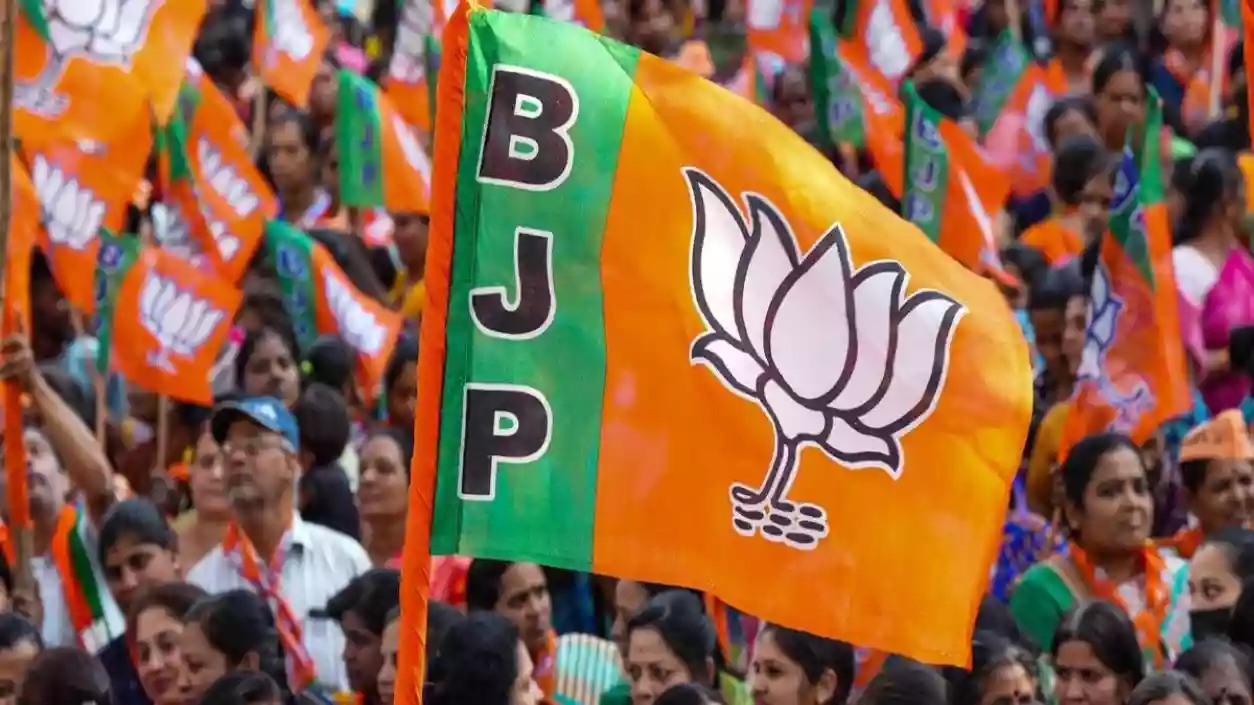
Baby Chakraborty, KalimNews, Kolkata, March 12, 2025 : In a bold declaration, Leader of the Opposition Shuvendu Adhikari predicted that the Bharatiya Janata Party (BJP) will come to power in West Bengal in the upcoming assembly elections, which are set to take place in ten months. Addressing the media outside the assembly on Tuesday, Adhikari not only forecasted the BJP’s victory but also laid out what he described as the party’s “agenda” after coming to power.


Adhikari’s comments extended beyond mere political forecasts, as he sharply criticized the ruling Trinamool Congress (TMC) government. He accused the TMC of being a “communal government” with a “communal police force” and referred to them as “Muslim League Two.” The opposition leader claimed that the actions of the government were both reckless and unconstitutional, alleging an intentional effort to undermine the Hindu community in Bengal. He pointed to what he called the arrogance of the ruling party, drawing a parallel with the recent downfall of the Aam Aadmi Party (AAP) in Delhi, which he said had suffered due to similar behavior.

The BJP leader’s criticism extended to issues surrounding religious intolerance. According to Adhikari, the Trinamool government was violating constitutional provisions meant to protect religious sites. He specifically accused the government of neglecting the protection of Hindu temples, citing incidents over the past few days where temples were allegedly demolished, and idols broken in areas such as Baruipur, Tamluk’s Serampur, and Basirhat. He also claimed that Hindu homes in Murshidabad had been attacked, with no arrests made by the police. Adhikari’s statements highlighted his concerns that religious freedoms were being systematically violated under the current administration.

During the assembly session on Tuesday, the BJP proposed an adjournment motion to raise these allegations, but it was rejected by the Speaker, prompting protests from BJP members. The Speaker’s refusal to include the issue in the assembly record led to further unrest, with BJP MLAs climbing the walls and tearing papers in protest. Adhikari later criticized the Speaker for failing to uphold the rights of the opposition, accusing the government of suppressing dissent and engaging in “narrow politics” in the name of religion.

Despite the tensions in the assembly, Adhikari remained resolute in his prediction that the BJP will triumph in the upcoming elections. He boldly stated that, following the election victory, the Muslim MLAs from Trinamool Congress would be removed from the assembly.

The ongoing political struggle in West Bengal continues to heighten as both the ruling and opposition parties prepare for the decisive electoral battle that will determine the future of the state.

Democracy, Citizenship, and Political Participation of Indian Women: Past, Present, and Future by Adv Dr Shalu Nigam

Dr Shalu Nigam,  March 8, 2025 :  Indian women have played a key role in the nation’s political landscape since pre-colonial times. They contributed immensely to the freedom struggle and played a crucial role in shaping the Indian Constitution. Despite being silenced in a deeply patriarchal society, the founding mothers of the Indian Constitution were instrumental in envisioning a democratic nation where all citizens, regardless of gender, would enjoy equal rights. This work captures the struggles of these pioneering women who fought for equal citizenship rights for women and paved the way for participatory democracy. Because of their efforts, today, Indian women enjoy equal rights not as daughters, wives, or mothers but as individual citizens. These women serve as role models, and their legacy continues to inspire generations of women to engage in the democratic process to assert their citizenship rights.


The impact of their work is demonstrated by the fact that starting with the fifteen women who participated in the Constituent Assembly, today, more than 1.4 million women serve as elected panchayat leaders. While much remains to be done to secure greater political participation for women in Parliament, judiciary, and other institutions, it is important to pause and celebrate the role of the founding mothers. As countries worldwide observe Women’s History Month, India could take a moment to recognize the lives and contributions of these women, whose efforts were pivotal in securing equal rights for both men and women and inspiring a lasting change.

Women Freedom Fighters and Constitution Makers

Countless men and women fought for India’s freedom from colonial rulers. Among these freedom fighters were women who dedicated their lives to envision a democratic, secular, and egalitarian nation. Out of these, fifteen were elected to craft the Constitution. Among 284 men, these founding mothers made significant contributions in shaping the document that determined the design for the governance of the free nation. These 15 women include Ammu Swaminathan, Annie Mascarene, Begum Aizaz Rasul, Dakshayani Velayudhan, Durgabai Deshmukh, Hansa Mehta, Kamla Chaudhry, Leela Roy, Malati Choudhury, Purnima Banerjee, Rajkumari Amrit Kaur, Renuka Ray, Sarojini Naidu, Sucheta Kriplani, and Vijaya Lakshmi Pandit.

The framing of the Constitution was a revolutionary act; it set the groundwork for shaping post-colonial India. These founding mothers contested male domination and raised concerns about marginalized groups. Though their contribution is undermined, they dedicated their lives to challenging regressive social and cultural norms. Despite their varied backgrounds, they united in their fight for shaping women’s rights as citizens, distinct from their roles as daughters, wives, or mothers. In the Constituent Assembly, these women members highlighted the oppression ordinary women endured and worked to ensure addressing sex-based inequalities.

Their activism began long before they became Members of the Constituent Assembly. Several were affiliated with the Women’s Indian Association, the National Council of Women in India, or the All-India Women’s Conference (AIWC). As early as 1939, women’s collectives in the Report of the Sub-Committee on Woman’s Role in Planned Economy reimagined the Indian woman as a complete, self-sufficient individual and proactive citizen. Led by women leaders such as Hansa Mehta, this report was inspired by the Declaration of Fundamental Rights, which the Indian National Congress adopted in Karachi in 1931. It reflected a vision of gender equality and social justice that resonated deeply with the evolving discourse on human rights. This Report in 1939, noted,

“… We do not wish to turn a woman into a cheap imitation of man or to render her useless for the great tasks of motherhood and nation-building. But in demanding equal status and equal opportunity, we desire to achieve for woman the possibility of development under favourable circumstances of education and opportunity, and while so doing, urge upon the State its responsibility towards women in this respect.”

The Report recognized male domination within the household, economy, and society as a primary oppressor and called for social, legal, and administrative measures to curb this oppression. It advocated for equal pay for equal work, women’s financial independence, and recognizing the economic value of household work.

Based on this report, the Indian Woman’s Charter on Rights and Duties was prepared by Hansa Mehta, Rajkumari Amrit Kaur, and Lakshmi Menon under the aegis of AIWC. The Charter highlighted that educated and capable men and women, enjoying their rights to freedom and equality, could contribute significantly to societal progress. It emphasized women as right-bearing citizens who are fearless and enterprising and demanded equal rights and opportunities for men and women to receive education and excel. Rajkumari Amrit Kaur referred to this concept as “constructive citizenship,” emphasizing that only a citizen who fully enjoys her rights can effectively contribute to the welfare of society. The Charter specifically mentioned that women should have the right to be represented in Legislature, Municipalities, Local Bodies, and all other conferences and delegations.

The Charter guided women’s involvement in the Constituent Assembly, helping draft the Indian Constitution. Through the Charter, they campaigned for basic rights such as equal employment opportunities for men and women, voting rights, access to health, education, work, and freedom from ignorance and want. It also outlined women’s duties, including promoting education, combating social evils such as child marriage and caste discrimination, besides working for peace.

When the Indian Constitution was drafted, at the same time, global deliberations were held to enact the international human rights framework. A few of these women represented India on the international platform. For instance, Vijay Lakshmi Pandit represented India at the United Nations Commission on the Status of Women. Hansa Mehta, a delegate to the UN Commission on Human Rights from 1947 to 1948, played a crucial role in shaping the Bill of Rights. She demanded replacing “All men are born free and equal” in Article 1 with “All human beings are born free and equal.” This change has broadened the understanding of women’s rights and the idea of equality. MacKinnon (2006) noted,

“It was Hansa Mehta, not Eleanor Roosevelt, who was responsible for what sex equality is embodied in the Universal Declaration of Human Rights.” 

This change strongly impacted the struggles for gender-inclusive, fair, just, and equitable policies. Over the decades, these rights have been elaborated in several international instruments such as the Convention on Elimination of Discrimination Against Women in 1981, which requires countries to eliminate discrimination against women.

Women in the Constituent Assembly: How they Worked?

During these times, India was also facing communal tensions and undergoing the turmoil of the Partition. Also, there were contested debates held on issues such as the Hindu Code Bill and the umpteen pressure exerted by the male members to suppress female voices. Societal norms, expectations, and stereotypes about women’s roles hindered their political engagement and public visibility. Despite facing multiple challenges, these founding mothers worked tirelessly to imagine a morally just and inclusive society.

They evolved various strategies to strengthen women’s rights. Despite facing criticism, misogyny, and discrimination from their male counterparts, they persisted and negotiated for equal rights in public and private spheres. Substantively and symbolically, the presence of women enabled the realization of the goal of gender justice.

They raised issues in multiple ways in the Constituent Assembly. They issued statements and made submissions and petitions to drafting committees. Further, they participated in the sub-committees and played a tremendous role in recommending affirmative action to guarantee equal opportunities to the disadvantaged sections. Through their active participation, these women laid the groundwork for future feminist movements to advocate for reforms.

Additionally, they played a key role in nation-building. After the enactment of the Constitution, some of them served as pioneering policymakers, educationists, activists, ministers, ambassadors, and diplomats. By showing courage and determination in a male-dominated society, these women became inspirational role models for generations aspiring to participate in political life. Due to the strong foundations laid down by them, today, citizens in independent India enjoy a wide range of rights and freedoms.

Demands for Political Participation of Women

Though the Founding Mothers opposed special reservations for women, they demanded equality of status and justice, as evident from the speech of Renuka Ray. She explained,

“We are particularly opposed to the reservation of seats for women. Ever since the start of the women’s movement in this country, women have been fundamentally opposed to special privileges and reservations…. Women in this country have striven for their rights, for equality of status, for justice and fair play and most of all to be able to take their part in responsible work in the service of their country.”

This idea is also evident from the speech of Purnima Banerjee, who argued that,

“As you know, in our province of the U.P., we have by a recent Act established about twenty-two thousand Panchayats all over the Province. To these Panchayats such rights and functions have been given which, if properly exercised, would really bring Swaraj to the people. As you know, our country is big and wide and medical amenities and educational facilities are all very sadly lacking. If these Panchayats or local bodies are to function properly, they must have adequate finances at their command. We have given them enough powers and we hope that, as time passes on, they will lay down roads and will foster such industries as will add to the prosperity of the villages and the localities.”

She further suggested amendments to Article 312F for the words ‘Muslim or the Sikh Community’ by the words ‘Muslim, Christian, Sikh community or by a woman’ be substituted to highlight positive discrimination. She clarified,

“My amendment seeks just to stretch that same provision for women. I wish to make it quite clear that women do not want any reserved seats for themselves, but nevertheless, I suggest to the House that in respect of the number of women who are now occupying seats in the Assembly, if any of them should vacate their seats they should be filled up by women themselves.”

The demands in these arguments depict that the founding mothers did not support the idea of women’s reservation. However, they believed the ideas of Mahatma Gandhi, Ambedkar, and various other leaders regarding the active participation of citizens in democracy. They supported the provisions mentioned in Article 40 pertaining to the organization of village panchayats. This is based on the idea of `Gram Swaraj’ or village self-independence is about strengthening villages through decentralization. This idea of participatory democracy in India sets it apart from the Western concept of parliamentary democracy.

To further strengthen the idea of Gram Swaraj, in post-colonial India, the 73rd Constitutional Amendment Act was enacted, which allowed the representation of one-third of women in Panchayats. In some states, now 50 percent of seats are reserved for women in Panchayats. Over the seventy-five years, from 15 women who participated in the making of the Indian Constitution, today we have more than 1.4 million women panchayat leaders.

Guided by the spirit of the Constitution, today, ordinary women are increasingly venturing out and achieving remarkable progress. The growing presence of women in public spaces over the years is the result of the hard-fought battle for citizenship rights led by the Constitution makers. However, this is not enough. Certainly, more women representation is required in politics Yet, this achievement depicts that though the journey is long and challenging but not impossible.

The Outcome of Their Struggles

The writing of the Constitution was a radical action towards liberation. The makers refuted the colonial logic of natives being incapable of self-rule. Based on democratic and egalitarian ideals, the document is a key to emancipation. The Constitution makers envisioned India as a welfare state responsible for ensuring the social and economic well-being of its citizens, based on equality of opportunities and fair wealth distribution.

The Founding Mothers significantly shaped the Preamble, advocating for equality, liberty, justice, democracy, and secularism. They envisioned a nation where all citizens, regardless of caste, class, gender, or religion, could equally enjoy their rights. They emphasized the importance of Fundamental Rights and Directive Principles in the Constitution, which laid the foundation for future laws to protect marginalized groups.

Moreover, the persistent advocacy for women’s rights by the founding mothers during the colonial era paved the way for the path that promised equality and justice besides affirmative action for marginalized groups. Despite facing numerous challenges, these founding mothers fought hard demanding political freedom. Also, they championed women’s rights in a male-dominated society.  

As a result of their rigorous efforts, women in post-colonial India were recognized as equal citizens rather than being solely defined by their roles as daughters, wives, or mothers. Through their active participation in the freedom struggle and the crafting of the Constitution, these women revolutionized how women’s issues were viewed and addressed as citizens in a democratic country. As they highlighted their voices in governance, these women are the role models these women and sources of inspiration for their future generations.

Further, India has kept a culturally diverse and vast country together for almost seven decades. Given to `we the people’ by `we the people’, it embodies the hopes, aspirations, and rich legacy that successive generations have safeguarded and advanced. The world marvels at the durability, flexibility, and effectiveness of the Indian Constitution.

Challenges Now

Over the decades, the post-colonial state has made several efforts to align with the evolving aspirations of women in the modern world. However, inequalities persist because of lacunae in enforcing the laws and policies. These arise from deep-rooted societal attitudes, a lack of awareness, and weak enforcement mechanisms.

Therefore, many demands outlined in the Charter of Rights and Duties remain unmet. Hence, much more work is needed to ensure women’s safety, address issues regarding violence against women, uphold the rights to equality, and create conditions that facilitate ordinary people to enjoy their rights. The continuing dialogue around women’s rights and other underrepresented groups is key to creating an inclusive and just society. One of the women members of the Constituent Assembly, Hansa Mehta stated,

“What we have asked for is social justice. We have asked for that equality which alone can be the basis of mutual respect and understanding and without which real cooperation is not possible between and man and woman. Women form one-half of the population of this country, and therefore, men cannot go very far without the cooperation of women.”

 To achieve this vision of equality and justice, India should adopt a progressive approach to achieve human development goals.

Inspirational Legacy for the Future Generations

The Founding Mothers left a lasting and profound legacy, significantly shaping India’s political and social landscape. Their contributions have had an enduring impact on the nation’s progress, influencing every facet of its development. Despite the numerous obstacles they encountered, these trailblazing women paved the way for future generations to participate in politics. India remains deeply indebted to these pioneering women for their unwavering commitment and contributions. Their influence is still evident today in the ongoing fight for gender equality and justice. Through their courage, wisdom, and resilience, the founding mothers shaped India’s growth, particularly individual freedoms, decentralization, and social justice. Their invaluable contributions are forever etched in the nation’s history. Their legacy continues to inspire future generations.

Adv Dr Shalu Nigam is a feminist lawyer, researcher, and activist working on gender, law, human rights, and governance issues. She has also authored several books and papers. Her recent publications include The Founding Mothers: 15 Women Architects of the Indian Constitution (co-author, 2016), Women and Domestic Violence Law in India: A Quest for Justice (2019), Domestic Violence Law in India: Myth and Misogyny (2021), Dowry is a serious Economic Violence: Rethinking Dowry Law in India (2024), and the Role of South Asian Women in the Making of UDHR (2025).

Adv Dr Shalu Nigam is a feminist lawyer, researcher, and activist working on gender, law, human rights, and governance issues. She has also authored several books and papers. Her recent publications include The Founding Mothers: 15 Women Architects of the Indian Constitution (co-author, 2016), Women and Domestic Violence Law in India: A Quest for Justice (2019), Domestic Violence Law in India: Myth and Misogyny (2021), Dowry is a serious Economic Violence: Rethinking Dowry Law in India (2024), and the Role of South Asian Women in the Making of UDHR (2025).

Source & Courtesy The Countercurrents https://countercurrents.org/2025/03/democracy-citizenship-and-political-participation-of-indian-women-past-present-and-future/:

Bengali Judge Jaimalya Bagchi Set to Become Chief Justice of India in 2031


Baby Chakraborty, KalimNews, March 7, 2025, Delhi: 
In a historic move, Justice Jaimalya Bagchi from the Calcutta High Court has been recommended for appointment as a judge of the Supreme Court, with the prospect of becoming the Chief Justice of India in 2031. The Supreme Court Collegium, led by the Chief Justice of India, approved the decision on March 6, based on extensive discussions.

Justice Bagchi’s career has been marked by significant milestones. He was appointed as a judge of the Calcutta High Court on June 27, 2011, and later served at the Andhra Pradesh High Court during the COVID-19 pandemic, having been transferred on January 4, 2021. His forthcoming elevation to the Supreme Court marks a major step forward in his judicial career.

According to the Supreme Court Collegium’s notification, after the retirement of Chief Justice KV Vishwanathan on May 25, 2031, Justice Bagchi is expected to assume the highest judicial office in the country. If everything proceeds as planned, he will become the Chief Justice of India on May 26, 2031, and will hold the post until October 2, 2031. This appointment is not only a testament to his professional accomplishments but also a source of pride for the Bengali community, marking a significant achievement in India’s judicial history.

Health Department Takes Immediate Action as 93 Medicines Fail Quality Tests, Enforcement Measures in Place

Baby Chakraborty, KalimNews, March 7, 2025, Kolkata: 

The Central Drugs Standard Control Organization (CDSCO) recently conducted a thorough quality test of medicines and found that 93 products, including widely used drugs such as paracetamol, blood pressure medications, and nausea relief medicines, failed to meet the required safety standards. This alarming discovery has prompted the state health department to take urgent action.

In response to these findings, the health department has directed the Central Medical Store to immediately remove the affected medicines from hospitals across the state. The department has also issued a warning to wholesalers and retailers, instructing them to cease the sale of these substandard products. This swift move comes in the wake of the state’s recent experience with an adulterated saline case, which heightened concerns about public safety.

The health secretary has announced that the state drug control authorities will conduct thorough inspections to ensure compliance with the ban. Any violations of the directive, such as continued sale or use of the failed medicines, will result in strict legal actions. The department’s efforts are aimed at preventing any further risks to public health and ensuring that only safe and quality medicines are available to the public.

As the state continues to grapple with ensuring the safety of its healthcare products, the swift and decisive actions of the health department are a clear indication of their commitment to protecting the health and well-being of its citizens.

Chinsurah MLA Takes Action Against Street Vendors in Bandel Market, Sparks Controversy

Baby Chakraborty, KalimNews, Hooghly, March 7, 2025 : Chinsurah MLA Asit Majumdar’s early morning visit to the Bandel market has sparked a wave of tension, as he reprimanded local vegetable vendors and took swift action against them for obstructing traffic. The MLA, accompanied by local panchayat officials, visited Bandel Station Road at 7 am, where he made it clear that roadside vendors would no longer be allowed to set up their stalls.

Bandel Station Road, an important thoroughfare, has long been home to many vegetable vendors, some of whom come from neighboring districts to make a living. However, Asit Majumdar expressed concern over the growing traffic congestion caused by these roadside stalls, especially in light of the difficulties faced by commuters, school children, and emergency vehicles. The MLA stated that the vendors would no longer be permitted to sell their goods on the road and would have to seek permission from the panchayat to be allocated space inside the designated market area.
During his visit, the MLA confronted the vendors directly, warning them that their activities would be halted immediately. When one businessman defended his position, claiming that many others had set up shop in the area, Majumdar grew angry. He reportedly called the police to the scene and instructed them to arrest the businessman. The police attempted to escort the man away, but after admitting to his mistake, he was released without further action.
Tensions escalated when another vendor, seemingly defiant, questioned the MLA’s sudden crackdown, calling the action unfair. The MLA, however, remained resolute, explaining that the market would undergo changes to improve cleanliness and traffic flow. He further emphasized that the situation was untenable for residents, as emergency vehicles, including ambulances, were having difficulty navigating the congested roads.
The MLA’s actions have drawn sharp criticism from some quarters. The BJP has accused him of being out of touch with the realities of local livelihoods, arguing that his approach could harm the very vendors who rely on the market for their income. Many vendors, particularly those who come from outside the area, feel targeted by the decision.
Despite the controversy, Majumdar maintained that his actions were part of an effort to ensure public safety and better organization within the area. He reiterated that the vendors would be able to continue their business inside the market, but only after going through the proper channels for authorization.
As the situation unfolds, it remains to be seen whether the decision will be accepted by the community or spark further protests from those affected.

Hindu Mahasabha Appeals to Governor and Government to Temporarily Close Jadavpur University for National Security

Baby Chakraborty, KalimNews, March 7, 2025, Kolkata : 

Amid ongoing tensions between West Bengal Education Minister Bratya Basu and leftist student representatives at Jadavpur University, the Hindu Mahasabha has voiced its concerns regarding the situation at one of India’s oldest and most prestigious universities. Dr. Chandrachud Goswami, a prominent figure from the Hindu Mahasabha and the party’s candidate from the Jadavpur constituency in the last Lok Sabha elections, has expressed his alarm over the alleged anarchic activities within the university.

Goswami claims that Jadavpur University has, over time, become a hotbed of seditious activities, citing instances where a section of students, professors, and unions have promoted divisive ideologies, including separatism and anti-national sentiments. He specifically pointed out incidents such as calls for the separation of Kashmir from India, the burning of Hindu religious symbols like the Gita, and the brutal killing of innocent individuals such as Sapnadeep Kundu. According to Goswami, the campus is also known for its hypocrisy, with reports of the university hosting Iftar parties while actively preventing religious celebrations such as Saraswati Puja.

In his statement, Goswami raised concerns about the rise of Maoist elements within the campus, accusing them of using the university as a political tool and instigating violence, such as molestation and ragging of students. He also condemned the efforts of such groups to suppress ideological diversity, stating that these elements hinder peaceful academic discourse and promote instability.

While acknowledging that student elections are a vital part of student politics, Goswami argued that the current situation in Jadavpur University is dangerous. He proposed that elections should only take place under strict security measures, including the deployment of police or, if necessary, military forces to prevent further violence. Goswami also called for the university to be closed temporarily to protect the national honor, given the alleged rise in anti-national activities, and announced plans to formally petition the Governor, the State Government, and the Central Government for its closure.

The Hindu Mahasabha’s appeal has sparked debate, with some supporting the move as a necessary step to restore peace and security, while others view it as an overreaction that could stifle academic freedom. As the situation unfolds, all eyes remain on the state and national authorities for further action regarding the future of Jadavpur University. 

Unbelievable Theft: Cow Stolen from Car Trunk in Halishahar, Police Investigating


Baby Chakraborty, KalimNews, Kolkata, March 7, 2025 : In an astonishing incident in Halishahar, North 24 Parganas, a cow was stolen from the trunk of a car, leaving the local community in shock. The theft, which has become the talk of the town, was captured on CCTV footage, further amplifying the bizarre nature of the crime.

According to reports, the cow, owned by Subhash Yadav of HK Doctor Road in Ward No. 19, broke free from its rope at Yadav’s cowshed. Despite Yadav’s efforts to locate the animal, the cow was nowhere to be found. The situation took an even stranger turn when it was discovered the next morning that two individuals had taken the cow away in a small four-wheeled vehicle.

The crime was captured by a nearby CCTV camera, which clearly shows the cow being removed from the vehicle’s trunk. The footage quickly went viral, and the incident has left local residents in disbelief. Many say that such an event has never occurred in the area before, and the reasons behind this unusual theft remain unclear.

Yadav immediately reported the disappearance of his cow to the local police, who have since launched an investigation into the matter. Based on the CCTV footage, law enforcement is optimistic that the culprits will be apprehended in the coming days.

Residents of Halishahar have expressed concern and surprise, with many speculating about the motives behind such an unprecedented crime. Meanwhile, the police continue their efforts to track down the individuals responsible and bring them to justice. The local community hopes that the mystery will soon be solved, and the stolen cow will be returned to its rightful owner.

Sudden Closure of Sarat Chandra Bahumukhi Shiksha Niketan Sparks Protests at Bandel Railway Station

Baby Chakraborty, KalimNews, Bandel, March 7, 2025: A wave of anger and concern has swept through the local community following the sudden closure of Sarat Chandra Bahumukhi Shiksha Niketan, a private school that had been operating for over four decades next to Bandel Railway Station. The school, once housed within a simple fenced property and later running under the Sarat Chandra Institute, has educated numerous students over the years, many of whom have gone on to achieve significant success. Now, with the institution abruptly closed, both alumni and parents are raising concerns over the future of the children who were enrolled.

Parents, alumni, and local residents have expressed their outrage after learning that the school was shut down by the railways without prior notice. Several individuals pointed out that the sudden closure has left families scrambling to find alternative schooling options for their children. While some suggested that the nearby central school at Bandel could accommodate the students, others called for immediate arrangements to be made for the affected families.

The closure of the school has become a political issue, with Abhishek, the state coordinator and general secretary of the Trinamool Congress-run Bengalar Hridaye Mamata Social Media Group, and other party workers criticizing the railway authorities. They have claimed that the BJP government ordered the closure of the school, with the railway authorities periodically sending demolition notices and locking the educational institution. This sentiment has been echoed by the local community, who have expressed their frustration over the lack of communication and the disruption caused to the students’ education.

The headmaster of Sarat Chandra Bahumukhi Shiksha Niketan revealed that the school received a closure notice from the railways on February 25. In response, parents gathered at the school to protest the sudden decision, demanding answers and a solution. In an attempt to disperse the protestors, the Railway Protection Force (RPF) was called to the scene to remove the parents.

According to sources from Eastern Railway, the closure is part of a larger effort to evict illegal encroachers from railway land as part of the planned redevelopment of Bandel Junction Station. The railway authorities clarified that the eviction notices were issued to those residing illegally in quarters at Bandel Station and the surrounding areas. Diptimoy Dutta, Chief Public Relations Officer for Eastern Railway, emphasized that the evictions were being carried out lawfully as part of the station’s redevelopment plan.

While the railway authorities maintain that the closure of the school is in line with legal evictions, the emotional toll on the students and their families remains a matter of concern. Local residents are now calling for the authorities to address the issue promptly and make provisions for the affected children to ensure that their education continues without further disruption.

Kolkata Municipal Corporation Takes Action to Revive and Protect Water Bodies with Fish Farming Initiative


Baby Chakraborty, KalimNews, March 7, 2025, Kolkata :  In a significant move to protect Kolkata’s dwindling water bodies, the Kolkata Municipal Corporation (KMC) has announced a new initiative aimed at restoring and cleaning the city’s water bodies while also promoting fish farming. This step is being seen as a proactive effort to address the growing concerns over the filling of water bodies and the environmental impact of urbanization and development.

For years, many of Kolkata’s water bodies have been filled to make way for residential and commercial buildings, with many high-rise buildings constructed on the land of these once-vibrant water bodies. However, following recent incidents where some of these buildings, constructed over filled water bodies, have fallen, the KMC has decided to take stronger action to protect the environment.

In a bid to reverse this trend, KMC authorities are now mandating the restoration, cleaning, and management of water bodies in the city, including the promotion of fish farming in these areas. The initiative will be carried out in a borough-based manner, with specific actions tailored to each area based on the needs of the respective water bodies.

According to KMC sources, a comprehensive survey has identified over 8,000 water bodies across 144 wards in the city, totaling an area of 1 crore 71 lakh 30 thousand 45 square meters—approximately 8.36% of the total corporation area. This satellite survey, supported by monitoring and photographic evidence, has laid the foundation for the initiative to clean and restore these vital water resources.

One of the most notable steps taken by the authorities is the decision to prevent further filling of water bodies, in line with the West Bengal Inland Fisheries Act of 1993. Under Section 17A of this act, the municipal authorities are empowered to repair and clean polluted or neglected ponds and water bodies, even those in private ownership, if they are deemed to be potential breeding grounds for mosquitoes or environmental hazards.

So far, the KMC has successfully restored and cleaned 310 such ponds and water bodies, and has implemented fish farming in these areas as part of a sustainable approach to maintaining the ecological balance. In cases where mosquitoes are likely to breed, the authorities have worked in collaboration with the health department to clean these water bodies after issuing a notice. A total of 30 water bodies have been cleaned under this specific initiative.

The move has been widely welcomed by environmentalists, local residents, and stakeholders, who have long expressed concerns about the gradual disappearance of wetlands and water bodies due to unchecked urbanization. Many believe that these measures will not only improve the city’s ecological health but will also contribute to the overall aesthetic and environmental quality of Kolkata.

With the KMC’s renewed focus on water body restoration and the promotion of fish farming, this initiative represents a significant step forward in the city’s efforts to protect its natural resources, improve public health, and foster sustainable urban development.

Shuvendu’s Decision to Open Office in Bhavanipur Sparks Speculation Ahead of 2026 Assembly Elections


Baby Chakraborty, KalimNews, March 7, 2025, Kolkata :  In a move that has stirred up political discussions ahead of the 2026 Assembly elections, BJP MLA Shuvendu Adhikari from Nandigram has decided to open a party office in Bhavanipur, a seat that was once considered a stronghold of Chief Minister Mamata Banerjee. The office will be inaugurated on May 1, and a team of over 100 workers is being formed to gather critical information about the area. The development has raised questions about Shuvendu’s strategic focus on Bhavanipur, especially after his previous comments suggesting that Bhavanipur is a much safer seat for him than Nandigram.

The office will be located in ward number 73, which is a key part of the Bhavanipur assembly constituency. This area is also the Chief Minister’s own voting ward, adding to the significance of Shuvendu’s decision to set up a base there. Political observers have pointed out that Shuvendu’s focus on Bhavanipur indicates his preparations for a potential contest in the constituency in 2026.

Bhavanipur has traditionally been a stronghold for Mamata Banerjee, who has represented the constituency since becoming Chief Minister in 2011, except for a brief period during the 2021 Assembly elections. However, the dynamics have shifted following the results of the 2024 Lok Sabha elections, where the BJP showed significant progress in several wards of Bhavanipur. The BJP led in five out of the eight wards of the area, including wards 63, 70, 71, 72, and 74, while the Trinamool was ahead in wards 73, 77, and 82.

The BJP’s success in these wards, particularly in the ward where Mamata Banerjee is a voter, has fueled speculation about the competitiveness of Bhavanipur in the upcoming elections. In ward 73, the BJP was only 279 votes behind the Trinamool in the last Lok Sabha elections, further intensifying the political rivalry.

Shuvendu’s decision to open an office in a constituency that has long been Mamata Banerjee’s stronghold signals his growing interest in challenging her dominance in Bhavanipur. With less Muslim representation and a higher proportion of non-Bengali voters, Bhavanipur presents a unique opportunity for the BJP, particularly given the party’s strong showing in recent elections.

As the 2026 Assembly elections approach, all eyes will be on Bhavanipur to see whether Shuvendu can leverage his party’s momentum and make a serious challenge to Mamata Banerjee’s political fortress. The contest in Bhavanipur is expected to be a closely watched and highly contested battle, with both sides preparing for what could be a significant electoral showdown.

Trinamool Intensifies Voter List Scrutiny Efforts Ahead of 2026 Elections, Abhishek Banerjee to Lead Virtual Meeting


Baby Chakraborty, KalimNews, March 7, 2025, Kolkata :  As part of its preparations for the 2026 Assembly elections, the Trinamool Congress has ramped up efforts to ensure accuracy in the voter list, separating legitimate voters from those whose names might belong to other states. Party supremo Mamata Banerjee and other party leaders have consistently raised concerns about the inclusion of voters from other states in West Bengal’s electoral roll. This issue was addressed with urgency during the mega meeting held on February 27, where a strong message was sent regarding the matter.

A 36-member committee, led by Trinamool state president Subrata Bakshi, was formed to oversee the revision and scrutiny of the voter list across the state. The committee met on Thursday at Trinamool Bhavan to review progress and discuss further steps. However, Abhishek Banerjee, one of the key members of the committee, was not present at the meeting due to prior commitments. Despite this absence, the leadership confirmed that he would lead a virtual meeting with party officials on March 15 to review the work done so far.

Sources revealed that during the meeting on Thursday, it was announced that the virtual discussion with Abhishek Banerjee would be held at 4 pm on March 15. All members of the state committee, district presidents, and leadership from various branches have been instructed to attend the meeting, where reports from each district will be evaluated and presented to the party leader.

While there was speculation surrounding Abhishek Banerjee’s absence from Thursday’s meeting, Trinamool spokesperson Jayaprakash Majumdar clarified that the meeting scheduled for March 15 would be virtual, and hence, there was no need for Abhishek to be physically present at Trinamool Bhavan. Majumdar emphasized that each member of the committee has been assigned specific districts to focus on for the revision of the voter list. Subrata Bakshi will personally oversee the work in South Kolkata, while Abhishek Banerjee is responsible for ensuring the accuracy of the voter list in South 24 Parganas district.

This move by the Trinamool Congress signals the party’s heightened focus on ensuring the integrity of the voter list ahead of the 2026 elections, reinforcing their commitment to fair and transparent electoral processes.

Trinamool’s Mahila Wing Set for March 8 Procession Ahead of International Women’s Day, Pay Tribute to Mamata Banerjee


Baby Chakraborty, KalimNews, March 7, 2025, Kolkata :  Bengal is setting a significant example of women’s empowerment across India, thanks to the leadership of Chief Minister Mamata Banerjee. From the increased participation of women in the state’s political landscape to the record-breaking presence of female representatives in Parliament, the progress is undeniable. Under Mamata Banerjee’s leadership, women in Bengal have found a stronger voice, and as the state prepares for the upcoming 2026 Assembly elections, the ruling Trinamool Congress is leaving no stone unturned to maintain this momentum.

On the eve of International Women’s Day, March 8, the Mahila Trinamool wing of the party is gearing up for a major street procession to celebrate the achievements of women in Bengal and to pay tribute to Mamata Banerjee, who is aiming for a historic fourth term as Chief Minister. This show of strength is part of the party’s broader strategy, which has already gained traction after their impressive performance in the 24th Lok Sabha elections. The procession, which will take place across the state, will be a unified expression of women’s empowerment, with women’s MLAs and MPs including Chandrima Bhattacharya and Shashi Panja at the forefront.

According to Trinamool sources, the procession will begin at 4 pm, following a gathering at Rabindra Sadan at 3 pm on Saturday. The march will stretch from Rabindra Sadan to Dorina Crossing. However, with the ongoing higher secondary exams in the state, the procession will be conducted with utmost sensitivity to the examination schedule. The women’s Trinamool will forgo the usual slogans and speeches via microphone, instead focusing on a peaceful demonstration with posters and hoardings.

The procession will not be confined to Kolkata alone. Similar events will unfold in districts across the state, with the same posters, slogans, and themes, showcasing a unified effort to honor the contribution of women, led by the Chief Minister.

This initiative comes at a time when the state’s political narrative is focusing heavily on women’s issues, with the party planning new slogans and posters that reflect the growing empowerment of women in Bengal. As the Trinamool Congress intensifies its preparations for the next assembly elections, this demonstration is a clear statement of their commitment to continuing the progress they have made under Mamata Banerjee’s leadership. The party is determined to further strengthen its base, particularly among female voters, in the lead-up to 2026.

Jadavpur University Incident Raises Concerns Over Student Unrest and Political Undercurrents, Court Calls for Vigilance


Baby Chakraborty, KalimNews, March 7, 2025, Kolkata :  In the aftermath of the events at Jadavpur University last Saturday and Sunday, a growing debate has emerged about whether these incidents were mere coincidences or part of a larger, more purposeful unrest. Justice Tirthankar Ghosh has criticized the failure of both the intelligence department and the police administration in handling the situation, expressing concerns that if left unchecked, such chaos could escalate across the state. The judge’s warnings are particularly significant, given that the upcoming assembly elections are fast approaching, with the police needing to remain highly vigilant.

Justice Ghosh also highlighted the potential dangers of protesters getting too close to those under police protection, comparing the situation to the instability seen in neighboring states. He emphasized that both sides of the conflict need to take responsibility, as once chaos ensues, it becomes difficult to regain control. However, he did not address the underlying issue that may have contributed to the incident—the delayed student elections in colleges and universities across West Bengal. If these elections had been held on time, it is argued, the situation at Jadavpur University may never have arisen.

The absence of student elections has left a power vacuum in student organizations, which are often seen as anti-institutional. In this context, fair elections could potentially result in outcomes unfavorable to the ruling party, raising suspicions that political maneuvering may be at play. The BJP has echoed this sentiment, with Sukanta Majumdar accusing Chief Minister Mamata Banerjee of attempting to revive the SFI (Students Federation of India) and, by extension, the CPI(M). Majumdar also warned that Hindus in West Bengal were becoming increasingly concerned about a potential “Bangladesh ‘Part Two'” scenario, fearing that their votes were being divided, potentially paving the way for a BJP-led government.

In response to these political accusations, the SFI has vehemently denied any such allegations. They maintain that their discussions with the Education Minister centered around university elections, and that the events at Jadavpur University were fueled by a specific incident involving a student being injured in the Education Minister’s car.

Despite these political debates, one thing is clear: the anti-government student movement in West Bengal has been gaining momentum since the RG Kar incident. The court, in its observations, referenced the situation in neighboring Bangladesh, where student unrest had been manipulated by separatist and extremist forces, leading to significant political instability. The court’s warning serves as a reminder of the volatile situation that could unfold if similar unrest were to spread in West Bengal.

Only time will tell how these events will evolve, but it is clear that the political, social, and security landscape of West Bengal is currently at a delicate crossroads. The state government must take heed of these warnings and address the root causes of student unrest before the situation spirals further out of control.

Key Recommendations and Solutions Unveiled at 2nd International Workshop to Revitalize Climate-Resilient Orange Cultivation in Eastern Himalayas


KalimNews, Kalimpong, March 7, 2025: The 2nd International Workshop on Empowering Farmers for Climate Resilient Orange Cultivation in the Eastern Himalayas was successfully held on the 5th and 6th of March, 2025, at Cluny Women’s College, Kalimpong. The workshop was organized by the Directorate of Cinchona and Other Medicinal Plants (DCOMP) in collaboration with Cluny Women’s College, Kalimpong, with the aim to address the challenges faced by local orange farmers, particularly in the Darjeeling and Sikkim regions.

In a press release, the DCOMP emphasized the significant role Darjeeling Mandarin Orange has played as the economic backbone of the region. However, the crop has faced considerable setbacks since the 1970s due to Citrus Decline, which drastically reduced the area under cultivation and affected both production and productivity. During the 1920s and 1930s, Darjeeling and Sikkim generated annual revenues of approximately Rs. 4.5 lakh from orange sales alone. However, the region now produces only a few hundred tonnes of oranges annually, with the once-bustling regulated market in Siliguri now seeing limited supply.


Despite these setbacks, the demand for fresh oranges remains high, and both tradition
al and new orange farmers are keen to revitalize this crucial agricultural sector. In response to these challenges, the workshop aimed to provide technological support to boost production, productivity, and the overall quality of oranges. The workshop gathered experts from across the globe, including researchers from the USA, Iran, and Arunachal Pradesh’s Central Agricultural University, as well as scientists from neighboring Nepal and Bhutan, who participated virtually as well as in person. Local farmers, self-help groups, cooperative societies, extension workers, and researchers also participated, sharing insights and discussing viable solutions.

Key participants included the Honourable Minister In-charge of Food Processing Industries and Horticulture,  Arup Roy, and the Honourable Chief Executive of the Gorkhaland Territorial Administration (GTA),  Anit Thapa, along with senior officials from various government departments, Dr. Samuel Rai, the Director of the DCOMP stated..

The workshop featured extensive discussions on addressing technological interventions, with farmers presenting the difficulties they face and seeking practical solutions. The event included six technical sessions, as well as discussions on recommendations from the previous international workshop held last year, where 65% of the recommended issues had already been addressed.

The DCOMP also conducted surveys in orange-growing areas, covering aspects such as area, production, productivity, pest and disease management, orchard management, and soil fertility. The findings of these surveys will soon be analyzed to inform future interventions.

Key Topics and Solutions Discussed at the Workshop:

  1. Foot Rot and Inarching Technology: Foot rot caused by Phytophthora is a significant issue for orange cultivation. The practice of inarching trees with rootstocks like Rangpur Lime and Rough Lemon has been identified as a potential solution. However, the adoption rate remains low, and efforts will focus on more demonstrations and training in farmers’ fields. Additionally, efforts are underway to source Trifoliate orange plants for rootstocks.

  2. Trunk Borer and Fruit Fly: Both pests, which pose a serious threat to orange crops, were discussed in detail. DCOMP proposed an innovative pest control solution where farmers receive incentives for catching these pests, a measure approved by GTA.

  3. Insect Pests and Diseases: The workshop addressed other major and minor insect pests and diseases. New methods for quickly identifying viral and bacterial diseases were discussed, with requests for research institutes and universities to develop cost-effective solutions.

  4. Soil Fertility and Nutritional Management: Emphasis was placed on improving soil fertility and nutritional management, with collaboration encouraged between the DCOMP and the Animal Resource Development Department to ensure a steady supply of farmyard manure.

  5. Rejuvenating Old Orange Plants: As many orange plants in the region are nearing the end of their productive life, rejuvenation techniques were explored to save the remaining trees, using available technologies to boost their productivity.

  6. Production of Quality Planting Material: The government has initiated the production of five lakh grafted and budded plants, specifically on Rangpur lime and Rough Lemon rootstocks, to support the rejuvenation of orange orchards.

  7. Water Management: The installation of Fertigation and Drip Irrigation systems will be encouraged to ensure efficient water use, particularly in orchards located in water-scarce areas.

  8. Extension Functionaries Support: A significant focus was placed on strengthening and empowering extension workers with technological support to ensure they can assist farmers effectively in their day-to-day operations.

  9. Orange Cultivation Guides: DCOMP, along with RRS UBKV, has developed a comprehensive booklet in both English and Nepali for farmers and extension workers. The booklet includes quality photographs to help understand the common problems and available solutions, along with a calendar of activities for the entire year.

  10. Tissue Culture Laboratory: The Department of Science and Technology is supporting the establishment of a Tissue Culture Laboratory in Mungpoo dedicated to orange cultivation, aiming to promote Shoot Tip Grafting and other in-vitro techniques.

The workshop not only provided a platform for the exchange of knowledge but also focused on forging stronger collaborations between various stakeholders, including local farmers, experts, and government departments. The discussions culminated in several important recommendations to rejuvenate the orange industry and make it more climate-resilient.

Recommendations for Rejuvenating Orange Cultivation:

Research:

  1. Orchard management, including nutritional and water requirements.
  2. Localized pest and disease management strategies.
  3. Development of new products to increase the shelf-life of fresh fruits.
  4. Compilation of best practices from both domestic and international orange growers.
  5. Establishment of dependable disease indexing laboratories.
  6. Long-term research on rootstock selection and climate-resilient, eco-friendly production systems.

 Extension:

  1. Rejuvenating old orchards and starting new ones with grafted plants.
  2. Implementing drip irrigation systems for efficient water use.
  3. Creating model orchards for farmer visits and training.
  4. Formation of farmer-technologist groups for continuous knowledge exchange.

Administration:

  1. Regular workshops and conferences to keep all stakeholders updated on technological advancements.
  2. Establishment of model orchards under DCOMP for training and demonstration.
  3. Ensuring the availability of good quality rootstocks and grafted plants.
  4. Providing essential tools and resources, including sprayers and fertilizers, to farmers.

This workshop was a significant step forward in addressing the challenges faced by orange farmers in the Eastern Himalayas and highlighted the importance of innovation, collaboration, and sustainable practices to revitalize this crucial agricultural sector.

Introduction of Agricultural Drones in Basirhat Revolutionizes Farming Practices

Baby Chakraborty, KalimNews, March 5, 2025, Basirhat, North 24 Parganas :  The use of drones in agriculture has begun in Basirhat, surprising many and ushering in a new era of technological advancement in farming. A special workshop was organized from the border of Basirhat to encourage farmers in the Sundarbans to adopt modern agricultural equipment, including state-of-the-art agricultural drones, for enhanced farming efficiency.


With financial support from the state government’s agriculture department, agricultural drone technology made its debut in the Haroa block of the Sundarbans, Basirhat. These advanced drones allow for the automated and precise application of irrigation, chemical fertilizers, pesticides, medicinal plants, and sub-nutrients from desired heights. This innovation significantly reduces farming costs and minimizes the demand for manual agricultural labor.

While concerns about potential job losses exist, the integration of modern technology in agriculture cannot be overlooked. The adoption of drones and other advanced machinery is expected to make farming more environmentally friendly, high-yielding, and overall more profitable. Apart from drones, the government-subsidized agricultural machinery bank provides a diverse range of farming equipment, including tractor-trolleys, power-driven chaff cutters, and pulverizers.

Additionally, two government-recognized farmers’ organizations have established machinery rental centers in Haroa block. These centers offer equipment such as tractors, mini rice mills, and rotavators, allowing local farmers to rent necessary machinery at affordable prices for use on their land. This initiative not only benefits individual farmers but also provides financial advantages to farmer production groups.

A special workshop was held at Haroa Basabati to introduce farmers to these cutting-edge technologies and demonstrate their applications. Farmers expressed enthusiasm and optimism about the use of modern technology in agriculture, recognizing its potential to enhance productivity and sustainability.

Court Sentences Three to Life Imprisonment in 2020 Habra Double Murder Case

Baby Chakraborty, KalimNews, March 5, 2025, Kolkata :   A chilling case of greed-driven murder shook Habra, North 24 Parganas, in 2020, where a daughter and her husband orchestrated the killing of her parents for property. The Barasat court has now delivered its verdict, sentencing the three accused, including a hired sharpshooter, to life imprisonment.


According to police reports, the crime stemmed from severe financial distress faced by the accused. Bunty Sadhu, the son-in-law of the deceased couple, had accumulated a debt exceeding seven lakh rupees. Desperate to resolve his financial crisis, he and his wife, Nivedita Sadhu, pressured her parents to sell their property. When their demands were ignored, they resorted to a sinister plan to eliminate the elderly couple and seize the assets.

Bunty and Nivedita hired sharpshooter Ajay Das to carry out the murder. The crime initially baffled investigators, as the accused daughter and son-in-law actively misled authorities to divert suspicion. However, as the investigation progressed, police discovered Bunty’s significant debts, which eventually led them to the truth. Then the interrogation of Nivedita and Bunty started. That’s when their plan came to light. The hired killer Ajay was also arrested. Finally, the Barasat court ordered life imprisonment.

On Monday, the court pronounced its verdict, sentencing the couple and the contract killer to life imprisonment. As the judge delivered the ruling, the convicted daughter and son-in-law remained silent, reflecting on the weight of their actions. The judgment brings closure to a case that had left the local community in shock and serves as a grim reminder of the consequences of unchecked greed.

World Hearing Day: Kolkata Hosts Awareness Walk to Address Growing Hearing Health Concerns

Baby Chakraborty, KalimNews, March 3, 2025, Kolkata : As hearing problems continue to rise globally, the importance of awareness and early intervention has never been more critical. According to a report by the World Health Organization, approximately 1.5 billion people worldwide suffer from hearing issues, with that number expected to rise to 2.5 billion by 2050. In India alone, around 1.17 lakh children are born each year with congenital hearing impairment. With proper awareness and timely medical attention, many of these problems can be addressed effectively.


In observance of World Hearing Day on March 3, the West Bengal Branch of the Speech and Hearing Association of India organized an awareness walk in Kolkata. The walk, which stretched from Rashbehari Crossing to Gariahat, aimed to raise awareness about hearing health. The event saw participation from speech and hearing specialists, children suffering from hearing impairments, and their families, all walking together to spread the message of the importance of early intervention and hearing care.

This year’s World Hearing Day theme, “Changing Mindsets: Empower Yourself, Make Ear and Hearing Care a Reality for All,” was highlighted by Dr. Md. Sahidul Arefin, Joint Secretary of the Association. He pointed out the significance of Universal Newborn Hearing Screening (UNHS), a simple test that can diagnose hearing issues in infants. While over 98% of newborns in developed countries undergo this screening, in India, only 5-15% of infants receive it. Dr. Arefin emphasized the need for greater awareness to ensure early intervention and better outcomes for children with hearing impairments.

Dr. Babul Basu, former president of the Indian Speech-Language and Hearing Association, spoke about the dangers of excessive noise exposure, unnecessary honking, and loud sounds, urging people to be mindful of these everyday practices that can contribute to hearing loss. Dr. Amrita Bhattacharya, from Shishumangal Hospital, also highlighted the rising concern over excessive headphone use, which is increasingly linked to hearing problems. She urged the public to exercise caution when using headphones to protect their hearing health.

Parents of children who have overcome hearing difficulties shared their personal experiences during the event, encouraging others not to panic in the face of hearing challenges but to seek help from specialists promptly for effective solutions.

World Hearing Day serves as a reminder that hearing health is a crucial aspect of overall well-being, and through education, awareness, and early intervention, many hearing and speech-related issues can be mitigated. The Kolkata walk marked a significant step in promoting hearing care and supporting those affected by hearing impairments.
error: Content is protected !!