Government Employees Council Urges West Bengal Government to Implement Supreme Court’s Order on Dearness Allowance


Baby Chakraborty, KalimNews, May 24, 2025, Kolkata : 
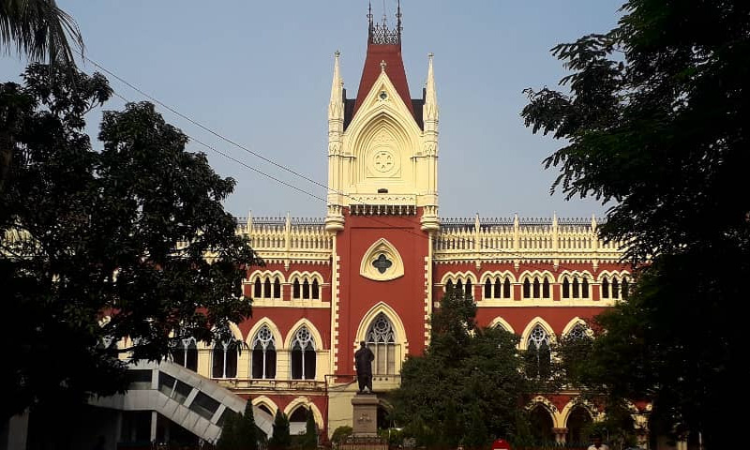
The Confederation of State Government Employees, West Bengal issued a formal letter to the West Bengal government, urging immediate action on the Supreme Court’s recent directive regarding the payment of dearness allowance (DA) to state government employees. The letter references a crucial order handed down by the Supreme Court on May 16, which mandates that the state government clear at least 25% of the outstanding DA dues to all employees. The Supreme Court’s order was issued in favor of a May 20, 2022, judgment by the Division Bench of the Calcutta High Court, which had ruled that the West Bengal government must address the DA arrears.

The state government had previously challenged the Calcutta High Court’s judgment by appealing to the Supreme Court, but the apex court upheld the lower court’s decision, reaffirming the need for the outstanding dues to be cleared. The Government Employees Council, in their letter, has attached a copy of the Supreme Court’s order and made a formal request for the state government to implement the directive within the next six weeks.

The council emphasized that this order, if promptly acted upon, could finally resolve the long-standing issue of DA arrears, providing much-needed relief to lakhs of government employees in the state. They believe that the implementation of this order will help end the prolonged wait for the employees and restore their financial stability.

The council’s demand highlights the importance of respecting judicial orders and calls for the government to act swiftly to ensure the payment of the outstanding dearness allowance, which has been a point of contention for a significant period.

Hooghly District Administration Gears Up for Safe and Smooth Tarakeswar Srabani Mela with New Safety Measures


Baby Chakraborty, KalimNews, May 24, 2025, Kolkata: 
With the Tarakeswar Srabani Mela just around the corner, the Hooghly district administration has stepped up its preparations for the grand event, focusing on passenger safety and crowd control. A high-level administrative meeting was held today in Singur to discuss the necessary measures for the festival, which is set to begin in two months. The meeting was convened against the backdrop of recent safety concerns raised by the Kumbh Mela incident in Uttar Pradesh, where several fatalities occurred due to crowd-related accidents despite extensive safety protocols.

Officials acknowledged that last year, about 24 lakh devotees attended the Mela, and this year, the turnout is expected to be even higher. In response, the administration has introduced additional measures to ensure the safety and convenience of the devotees. Minister Becharam Manna, who was present at the meeting, emphasized the need to prevent any accidents similar to the Kumbh Mela tragedy. He assured that multiple proposals had been adopted to enhance safety, including the installation of 35 iron lock gates along the Baidyabati-Tarakeswar road, improved road lighting, and a significant increase in ambulance services.

To facilitate quick medical assistance, 25 ambulances, including Toto and bike ambulances, will be stationed at strategic points along the route. The Health Department will also deploy one ambulance per panchayat area, from Baidyabati to Tarakeswar, ensuring emergency services are easily accessible to all. Furthermore, the administration is working with the Telecom Department to improve mobile communication coverage across the Tarakeswar area. These measures are expected to improve coordination among emergency services and keep both pilgrims and authorities connected throughout the event.

In a bid to alleviate the transport burden, a request has been made to the Railway Department to run local trains overnight and to operate a special train service between Kamarkundu and Burdwan, ensuring that devotees can travel smoothly to and from the fair. The roads and ghats leading to the temple will be upgraded, including improvements to drainage systems and the services available at the Ganga ghats, which are critical for the event’s operations.

A guide map will also be launched online by the Hooghly District Administration prior to the start of the Mela. This map will provide vital information, including phone numbers for various services, and help attendees navigate the area with ease. Additionally, the district administration will allow organizations wishing to donate goods to apply online through the block office, streamlining the donation process and ensuring proper coordination.

The meeting, held in the Singur Panchayat Samiti meeting room, saw participation from key officials including Hooghly District Magistrate Mukta Arya, Hooghly District Rural Superintendent of Police Kamanshis Sen, and Singur MLA and State Minister Becharam Manna, along with representatives from the Railway Department, Fire Department, Tarakeswar Temple Authority, and various municipal and administrative bodies. The collaborative effort highlights the district’s commitment to ensuring a safe and organized Tarakeswar Srabani Mela, aiming to provide a hassle-free and spiritually enriching experience for millions of devotees.

Historic Income Tax Office in Kolkata Illuminated to Celebrate Heritage and Inspire Future Generations


Baby Chakraborty, KalimNews | May 24, 2025 | Kolkata : A significant chapter in India’s institutional heritage was celebrated today as the iconic Income Tax Office building at 3 Government Place (West), Kolkata, was illuminated in a ceremonial event that blended history with modern pride. This initiative reflects the Income Tax Department’s commitment to preserving its legacy while advancing in step with contemporary values.

The Income Tax Department of India, formally established with the enactment of the Income-tax Act in 1922, traces its origins back to 1860 when Sir James Wilson first introduced income tax in response to the financial aftermath of the Indian Mutiny of 1857. The 1922 Act laid the foundation for the Department’s systematic administration and continues to be acknowledged as a cornerstone in its institutional evolution.

The building at 3 Government Place (West), originally constructed between 1890 and 1891 as the Imperial Secretariat, has long been a landmark of administrative and architectural importance. Before the establishment of Aayakar Bhawan at Chowringhee, it served as the office for all senior functionaries of the Income Tax Department in Bengal, including the Commissioner of Income Tax. The structure, deeply rooted in colonial-era design, remains one of the oldest functioning Income Tax buildings in the country.

In a thoughtful and visually compelling initiative, the newly installed lighting now accentuates the grand architectural features of the heritage structure without any structural modifications. This aesthetic enhancement not only elevates the building’s nighttime visibility but also honors its cultural significance and institutional contributions.

Adding to the preservation efforts, a dedicated Heritage Archive was inaugurated on the rooftop of the building on September 23, 2024, by the Hon’ble Chairman of the Central Board of Direct Taxes (CBDT). This archive aims to serve as a living repository of the Department’s historical records and milestones.

At the event, the Principal Chief Commissioner of Income Tax, West Bengal & Sikkim, Sri Niraj Kumar, IRS, remarked that the dual initiative of illumination and archiving is intended to inspire both present and future generations. He highlighted the importance of remembering and honoring the Department’s past as a means of instilling pride, belonging, and dedication among stakeholders and citizens alike.

Now illuminated against the Kolkata skyline, the historic building stands as a luminous symbol of resilience, transformation, and the continued relevance of public institutions in nation-building.

Pakistan Proposes Bilateral Talks with India in Neutral Country, Seeks Dialogue on Four Key Issues


Baby Chakraborty, KalimNews, May 24, 2025, Kolkata : Pakistan has expressed its willingness to engage in bilateral talks with India in a neutral country, as stated by Prime Minister Shahbaz Sharif during a press interaction on Wednesday. Despite longstanding tensions and India’s consistent position that dialogue and terrorism cannot go hand in hand, Pakistan is proposing negotiations on four key issues: Kashmir, water, trade, and terrorism.

Sharif underscored that Pakistan remains open to dialogue, proposing Saudi Arabia as a mutually agreeable venue. While he acknowledged that India is unlikely to agree to China as the host country, he also mentioned the United Kingdom as another possible alternative. According to Sharif, Pakistan will press for discussions on all four topics, even if India seeks to focus solely on terrorism.

The topic of water sharing is particularly sensitive following India’s suspension of the Indus Water Treaty after the April 22 terrorist attack in Pahalgaon. Following the success of Operation Sindoor, Prime Minister Narendra Modi addressed the nation on May 12 and firmly reiterated the government’s position, stating, “Water and blood cannot flow together.”

Prime Minister Sharif also commented on the internal military leadership of Pakistan, revealing that his decision to promote Army Chief General Asim Munir to the rank of Field Marshal was taken after consultations with his grandfather, former Prime Minister Nawaz Sharif. The announcement adds a domestic dimension to Pakistan’s evolving regional strategy.

While the prospect of talks signals an interest in reducing hostilities, New Delhi has yet to respond to Islamabad’s latest overture, maintaining its firm stance against initiating dialogue under the shadow of terrorism.

Former Justice Bela M Trivedi Likely to Replace Ailing Bengal Governor Ahead of 2026 Elections


Baby Chakraborty, KalimNews, May 24, 2025, Kolkata: 
Speculation is growing over a potential change in the governorship of West Bengal as reports indicate that the Centre is considering replacing the current Governor, CV Anand Bose, due to prolonged illness. Sources suggest that recently retired Supreme Court judge Justice Bela M Trivedi may be appointed to the position.

Justice Trivedi, a seasoned legal expert from Gujarat, took early retirement from the apex court. Her career spans several high-profile roles, including serving as the Secretary of the Law Department in Gujarat during the tenure of then-Chief Minister Narendra Modi, later advancing to the Gujarat High Court and ultimately the Supreme Court.

Her retirement drew attention after the Supreme Court Bar Association initially declined to host a customary farewell, which was subsequently arranged under the directive of Chief Justice BR Gavai. Despite previous debates surrounding her judicial career, her name has now emerged as a probable successor to the current Bengal Governor.

The Centre’s reported move comes amid ongoing discussions regarding Governor Bose’s health and his complex relationship with the West Bengal administration. While the decision may be rooted in health concerns, its timing—less than a year before the 2026 state elections—has added political significance. If Justice Trivedi assumes office, the development is expected to have a notable impact on the state’s political and administrative landscape.

Bangladesh Faces Growing Political Turmoil: Yunus May Resign Amid Election Delay and Rising Tensions

Baby Chakraborty, KalimNews, Dhaka, May 24, 2025 : Bangladesh is grappling with an increasingly unstable political situation, with the country teetering on the edge of a civil war-like scenario. The resignation of former Prime Minister Sheikh Hasina’s government nine months ago, followed by the appointment of Muhammad Yunus as interim Prime Minister, has failed to deliver on promises of reform and elections. The prolonged delay in holding elections has led to widespread anger among the public and political factions.

On Thursday, Nahid Islam, the convener of the National Citizen Party, visited Muhammad Yunus, and after the meeting, Islam announced that Yunus is contemplating resigning from his position. Speculation has been rife since then, with rumors swirling that Yunus may tender his resignation as early as tomorrow, Saturday.

The roots of the current crisis lie in the events of August last year, when Sheikh Hasina’s Awami League government was toppled amid mass protests against perceived discrimination and authoritarianism. Hasina was forced to step down and leave the country, and an interim government was formed by the protesters. Nobel laureate Muhammad Yunus was appointed as the chief advisor of the interim government, which was expected to oversee reforms and prepare for national elections.

However, despite the lofty promises of change, the interim government has not introduced significant reforms. Instead, it has largely replaced officials loyal to the previous regime with Yunus’ close associates. The growing dissatisfaction among the public has been exacerbated by the ongoing delay in holding elections. While political parties have been clamoring for elections, the interim government, led by Yunus, has shown little willingness to schedule them before mid-2026.

This reluctance to act has further fueled tensions, especially with the recent intervention of Army Chief General Waqar-uz-Zaman, who has urged the government to hold elections by December 2025. The pressure from both political parties and the military has sparked further speculation about Yunus’ future. A pro-Awami League barrister, Nijhum Majumdar, has even claimed that Yunus is set to resign on Saturday, adding weight to the rumors.


As the political crisis deepens, the question of when – or if – Bangladesh will hold free and fair elections remains uncertain, leaving the nation on edge. The potential resignation of Yunus could mark a turning point in the country’s fragile governance, with an already volatile situation threatening to spiral further out of control. The coming days will be crucial as political leaders and citizens alike brace for what could be a decisive moment in Bangladesh’s troubled political landscape. : 

Calcutta High Court Issues Rule Against Madan Mitra Over Unpaid Provident Fund Dues for CSTC Retirees

Baby Chakraborty, KalimNews, May 24, 2025, Kolkata : A growing controversy surrounding the Kolkata State Transport Corporation (CSTC) has surfaced, with multiple complaints alleging the non-payment of Provident Fund (PF) dues to retired employees. Reports indicate that re-employed staff, as well as retirees, have not received their rightful PF money, leading to numerous formal complaints. Shockingly, several thousand crores of rupees remain unpaid in the Provident Fund accounts of retired employees.

The issue has drawn the attention of the Calcutta High Court, which has now issued a rule against Trinamool Congress MLA and Chairman of the CSTC Employees Provident Fund Trust, Madan Mitra, along with others involved in the matter. Justice Arindam Mukherjee, who is presiding over the case, has ordered that Mitra, along with the state finance secretary and the CSTC Chief Managing Director, appear in person before the court on July 4.

The CSTC Employees Provident Fund Trust is intended to ensure that employees contribute a portion of their salary each month to their PF account, providing financial security for their retirement. However, complaints from retired employees of CSTC reveal that they have not received their PF payouts, despite having worked for years.

A case regarding this issue was first brought before the Calcutta High Court in July of last year, leading to an order for the release of the unpaid PF money. However, despite this ruling, the funds were not disbursed, resulting in a contempt of court case being filed in December. Since then, the matter has been heard multiple times, with the latest hearing held just yesterday.

During the proceedings, Justice Mukherjee questioned the delay in the payment of PF dues to retired employees, ultimately issuing the rule against Madan Mitra and other officials. The court’s intervention underscores the serious nature of the matter, which remains unresolved despite earlier judicial directives. The upcoming July 4 hearing will be critical in determining the next steps in this case, which continues to affect a large number of CSTC retirees who are still waiting for their overdue payments.

BJP Gears Up for 2026 Elections: Amit Shah to Visit Kolkata for Key Meetings


Baby Chakraborty, KalimNews, May 24, 2025, Kolkata :  As the 2026 West Bengal Assembly elections approach, political parties across the state are gearing up for what promises to be a fiercely contested race. Among them, the Bharatiya Janata Party (BJP) seems to be taking an especially cautious approach, drawing lessons from the results of the 2021 elections. The saffron camp is making early preparations in the hopes of securing a stronger performance in the upcoming polls.

In a significant development, Prime Minister Narendra Modi is scheduled to hold a public meeting and administrative discussions in Alipurduar on May 29. Following this, Union Home Minister Amit Shah is expected to visit Kolkata at the end of the month. According to sources within the BJP, Shah will arrive at Dum Dum Airport on the night of May 31 and has a full day of engagements planned for June 1.

The Union Home Minister’s itinerary for June 1 includes attending a major program at Science City, where he will address key stakeholders. Additionally, Shah is expected to meet with BJP MPs and MLAs, with the possibility of a closed-door meeting with party officials to discuss the party’s strategy ahead of the 2026 elections. While details of his visit remain speculative, the party is believed to be organizing a comprehensive discussion on election tactics involving party leaders and workers at various levels.

The visit of the senior BJP leader is expected to be closely watched, with many speculating that it will set the tone for the party’s campaign in the coming months. On May 26, Opposition Leader Suvendu Adhikari is also scheduled to convene a meeting of the Legislative Party, where discussions about the Modi-Shah visit and its potential impact on the state’s political landscape are likely to take place.

As the election nears, the political dynamics in West Bengal continue to evolve, with the BJP strategically positioning itself to improve its standing in the state.

Kolkata Municipal Corporation Cracks Down on Rooftop Restaurants Amid Safety Concerns and Fire Hazards


Baby Chakraborty, KalimNews, May 23, 2025, Kolkata :  The Kolkata Municipal Corporation (KMC) has launched a decisive crackdown on rooftop restaurants and cafes across the city, citing serious safety concerns and violations of building regulations. This move follows the recent fire incident at Mechua Bazar and a subsequent directive from Chief Minister Mamata Banerjee urging immediate action to prevent similar disasters. The KMC has taken the bold step of halting the mutation process for rooftop spaces and has issued a formal request to the Registration and Stamp Revenue Commissioner to stop the registration of any such establishments.

A list of 83 rooftop restaurants was compiled by the Kolkata Police and shared with the KMC to aid in their crackdown. This list includes well-known venues such as Blue & Beyond, Hoppipola, Whatsup Cafe, The Sky Story, Roots, The Golden Park, and several others scattered across different parts of the city. The KMC’s action targets not only new rooftop restaurants but also reviews the validity of existing permissions, with the potential for revocation if the buildings fail to comply with the regulations.

The crackdown follows the KMC’s announcement of a ban on granting fresh approvals for rooftop restaurants. Officials have stressed the importance of enforcing safety regulations, especially in light of the fire at Hotel Rituraj, which prompted a more stringent policy for all eateries in the city. The KMC’s Municipal Commissioner, Dhabal Jain, had previously sent a letter to the IG Registration Stamp Revenue, as well as the Commissioner and Directorate of Registration and Stamp Revenue, requesting a halt to all rooftop restaurant registrations.

According to a senior official from the KMC, notices have been sent to rooftop establishments urging them to dismantle any unauthorised structures or face legal action. These notices warn restaurant owners of severe consequences unless they comply with the order to remove illegal constructions. The move is in line with Rule 117(4) of the KMC Building Rules, 2009, which mandates that rooftop spaces remain unobstructed and accessible, particularly in the event of emergencies such as fires.

In addition to these directives, the KMC has emphasized the need for clear access to rooftops, which cannot be locked or obstructed, ensuring that emergency personnel can quickly reach the top floors if required. The municipal body also stressed that materials must not be stored in common areas, corridors, or near roof openings, reinforcing the principle of keeping these spaces safe and accessible for all building residents.

A circular issued on May 2 further highlights these regulations, providing detailed guidelines for the management of rooftop spaces and underscoring that such areas are to remain common to all residents of a multi-unit building. The circular also restricts the mutation or subdivision of rooftop areas, ensuring that they cannot be privately owned or designated for exclusive use.

On Friday, Kolkata’s Mayor Firhad Hakim made a significant announcement regarding the complete shutdown of all rooftop restaurants, bars, cafes, and lounges within the city. The move reflects the KMC’s firm stance on ensuring public safety and preventing future tragedies. Sources indicate that Borough VII, which includes busy areas like Park Street, Loudon Street, and Theatre Road, houses the largest concentration of rooftop restaurants, with an estimated 28-30 such establishments. Other areas along the EM Bypass and the Kasba-Garfa belt are also home to a significant number of rooftop eateries.

The KMC’s actions have drawn both support and criticism. While many city residents and officials have welcomed the crackdown as a necessary step to improve public safety, opposition leaders, particularly from the BJP, have questioned the blanket ban. Dr. Indranil Khan, a BJP spokesperson, argued that instead of banning rooftop restaurants entirely, authorities should focus on enforcing fire safety standards and ensuring compliance with building regulations. He called the ban “illogical” and stressed that proper safety protocols could prevent accidents without resorting to such drastic measures.

As the KMC continues to enforce its policies, the city’s vibrant rooftop dining scene faces a turbulent period, with many business owners scrambling to comply with the new rules or risk facing legal action. While the crackdown is focused on safety and regulation, the broader implications for Kolkata’s hospitality industry remain to be seen, especially in a city where rooftop venues have become increasingly popular in recent years.

China, Pakistan, and Afghanistan Agree to Extend the China-Pakistan Economic Corridor to Afghanistan Amid Strengthened Regional Cooperation


Baby Chakraborty, KalimNews, May 23, 2025, Delhi :  The China-Pakistan Economic Corridor (CPEC) is set to expand into Afghanistan, with a formal agreement reached between the foreign ministers of China, Pakistan, and Afghanistan. This development marks a significant milestone in trilateral cooperation, despite objections from India regarding the project’s route through Pakistan-occupied Kashmir (PoK). The agreement was solidified following a meeting in Beijing, where the leaders from the three countries convened to discuss economic and security cooperation.

The discussions took place on the heels of a visit by Afghanistan’s Acting Foreign Minister Amir Khan Muttaqi to China. During this visit, he met with Chinese Foreign Minister Wang Yi and Pakistan’s Deputy Prime Minister and Foreign Minister Ishaq Dar. The meeting underscored the nations’ shared commitment to fostering regional stability, security, and development. The expansion of CPEC into Afghanistan is seen as a crucial step towards enhancing infrastructure, trade, and diplomatic relations within the region.

Ishaq Dar, who is in Beijing for a three-day visit, marked his first foreign trip after the launch of India’s Operation Sindoor targeting terror sites in Pakistan and Pakistan-occupied Kashmir. Despite the contentious backdrop, the foreign ministers reaffirmed their dedication to regional peace and cooperation, with Dar emphasizing their collective vision for regional prosperity and stability.

A joint statement released by the Pakistani Foreign Ministry confirmed that the three nations had agreed to strengthen their diplomatic ties and improve communication, particularly to facilitate trade and development. The extension of the CPEC project to Afghanistan was presented as part of the broader vision to deepen cooperation under China’s Belt and Road Initiative (BRI).

The trilateral meeting not only focused on economic matters but also emphasized countering terrorism, with the foreign ministers expressing a united stance on regional security. It was also disclosed that Afghanistan and Pakistan had agreed in principle to send ambassadors to one another’s countries in the near future, further signaling the intention to build stronger diplomatic relations.

India, however, continues to oppose the CPEC, which is valued at approximately USD 60 billion, due to its passage through disputed areas of Kashmir. India’s objections to the project were reiterated in light of the new developments.

The foreign ministers also agreed to convene the 6th Trilateral Foreign Ministers’ Meeting in Kabul at a mutually convenient time, where further steps towards strengthening the cooperation will be discussed. Following the successful conclusion of the meeting, the Foreign Office in Islamabad confirmed that China and Pakistan had reaffirmed their “iron-clad” friendship and shared vision for peace and development in the region.

This new phase of regional cooperation signals a strategic shift in the geopolitical landscape of South Asia, as China, Pakistan, and Afghanistan push forward with joint efforts to bolster their economic, diplomatic, and security relations, despite existing challenges and opposition from other regional actors.

Discrepancy in Voter Records Sparks Political Row in West Bengal


Baby Chakraborty, KalimNews, May 22, 2025, Kolkata : A controversy has emerged over allegations of dual voter registration involving Koel Chowdhury, wife of West Bengal BJP President Sukanta Majumdar. According to reports, her name appears on voter rolls in two locations—her parental residence in Jalpaiguri and her in-laws’ residence in Balurghat. While she is registered as Koel Chowdhury in Jalpaiguri, her name appears as Koel Majumdar in Balurghat.

It has been clarified that Koel Chowdhury transferred her voter registration from Jalpaiguri to Balurghat before the 2021 West Bengal Assembly elections. However, allegations have surfaced that her name was not removed from the Jalpaiguri list after the transfer. Following this revelation about a week ago, Koel Chowdhury reportedly filed an application with the Election Commission to cancel her name from the Jalpaiguri rolls.

Addressing the matter, Sukanta Majumdar stated that his wife’s voter card was officially transferred, and termed the issue a politically motivated distraction. He emphasized that the responsibility for updating voter lists lies with the district administration and not with individuals, adding that state officials act under the directives of the state government. He remarked, “If someone’s name is in two places, Mamata Banerjee is responsible for it. DMs work on her orders, not mine.”

The Trinamool Congress (TMC) has raised concerns over the integrity of the electoral rolls, claiming that duplicate voter identity cards indicate broader irregularities. The TMC has demanded a complete revision of the voter rolls, accusing the BJP of attempting to manipulate the list by allegedly including non-resident voters.

Meanwhile, the Election Commission of India (ECI) issued a clarification regarding recent reports that highlighted the issuance of identical voter card numbers in different states. The ECI stated that while some Elector Photo Identity Card (EPIC) numbers might be identical, key demographic details, polling booths, and constituencies remain distinct. The Commission reiterated that voters are only eligible to cast their ballots at polling stations in their officially enrolled constituencies.

Reacting to the ECI’s clarification, TMC state general secretary Kunal Ghosh claimed that the Commission’s acknowledgment reinforced their position that names have been added to the rolls post previous elections, allegedly to benefit a specific political party.

The matter continues to stir political debate in the state, reflecting ongoing tensions between the ruling TMC and the opposition BJP over electoral processes.

Abhishek Banerjee Joins Diplomatic Delegation to Asia Following Pahalgam Terror Strike, Amid Political Back-and-Forth


Baby Chakraborty, KalimNews, Kolkata, May 21, 2025 : In the wake of Operation Sindoor—a decisive Indian military response to the Pahalgam terror attack—India has launched a diplomatic outreach mission across the globe to present its stance and highlight Pakistan’s alleged support for terrorism. As part of this initiative, Trinamool Congress MP Abhishek Banerjee is among the multi-party delegation travelling to five Asian countries, reflecting the Indian government’s effort to demonstrate political unity on international platforms during a critical moment in its security narrative.

The outreach follows the events of May 7, when, in retaliation to the Pahalgam terror attack, the Indian Army struck several terrorist camps in Pakistan and Pakistan-occupied Kashmir. India has maintained that its military actions targeted only militant infrastructure and not Pakistani civilian or military assets. Operation Sindoor, as it has been named, is being portrayed by the government as a calibrated and precise counterterrorism response in line with international law.

To bolster India’s position diplomatically, the Centre has dispatched several multi-party delegations to key global capitals. These delegations are tasked with presenting India’s perspective on the operation and countering Pakistan’s anticipated diplomatic narrative. A central talking point of the campaign is India’s assertion that Pakistan continues to harbor and sponsor terrorist networks operating across the border.

Originally, the Trinamool Congress’s representative in the delegation was to be MP Yusuf Pathan from Berhampur. However, the party objected to his inclusion, stating that the decision was made unilaterally by the Centre without proper consultation. TMC supremo and West Bengal Chief Minister Mamata Banerjee insisted that the party, not the central government, would choose its representative. In a subsequent call from Union Parliamentary Affairs Minister Kiren Rijiju, Mamata proposed the name of Abhishek Banerjee, MP from Diamond Harbour and her nephew.

Following this, Abhishek’s name was officially added to the diplomatic team, which is being led by Janata Dal (United) MP Sanjay Jha. The group held a preparatory meeting on Tuesday with Foreign Secretary Vikram Misri, which Abhishek attended. Early Wednesday morning, he departed from Kolkata airport for Delhi, where he was scheduled to board the flight for the first leg of the mission.

The delegation will visit Japan, followed by South Korea, Singapore, Indonesia, and Malaysia. During these visits, they will meet with senior officials and think tanks to communicate India’s objectives, reaffirm the country’s commitment to peace, and underline the necessity of international cooperation in combating terrorism.

Abhishek’s inclusion comes at a politically sensitive time, with opposition leaders like BJP’s Subhendu Adhikari using the opportunity to criticize Trinamool’s internal politics and accuse it of functioning as a “private limited company.” Despite the political friction, Abhishek’s participation reflects a rare moment of bipartisan engagement on a critical issue of national interest, signaling India’s intention to show a united front on the global stage.

As the diplomatic campaign unfolds, all eyes are on how effectively the delegation can convey India’s position in the region, counter misinformation, and build consensus on counterterrorism efforts in an increasingly volatile geopolitical landscape.

Subhendu Adhikari Blames Mamata Banerjee for Teacher Recruitment Mess, Sparks New Political Row


Baby Chakraborty, KalimNews, May 21, 2025, Kolkata : 
 The political storm over the teacher recruitment scam in West Bengal intensified on Tuesday as Leader of Opposition Subhendu Adhikari launched a scathing attack on Chief Minister Mamata Banerjee, blaming her personally for the prevailing crisis. Addressing reporters during a ‘Tiranga Yatra’ in the Ranaghat North-West Assembly constituency, Adhikari reignited the controversy surrounding the “qualified versus incompetent” debate, declaring that only one person in Bengal truly fits the label of “incompetent”—and that, according to him, is the Chief Minister herself.

Adhikari’s remarks come in the backdrop of the prolonged unrest over recruitment corruption, which led to the Supreme Court scrapping the 2016 recruitment panel, leaving around 26,000 teaching and non-teaching staff jobless. Amid the public outcry, allegations, and legal fallout, the issue of who is “qualified” and who is “incompetent” has taken center stage in Bengal’s education and political discourse.

Criticizing the West Bengal Board of Primary Education and the broader education department, Adhikari alleged that the system lacks transparent rules and reliable standards for assessing candidate qualifications. He claimed that removing just “one person” from the equation would resolve the entire crisis—pointedly referencing Mamata Banerjee as the root of the dysfunction.

“The debate about qualified versus incompetent is deliberately created to distract from the real issue,” said Adhikari. “There’s only one incompetent individual among the 11 crore people of Bengal. Remove her, and the rest will fall into place.”

His comments drew immediate attention for their directness, but he did not stop there. Adhikari also took jabs at Trinamool Congress (TMC) leader Abhishek Banerjee, mocking his recent foreign visits and questioning the party’s decision to promote him over others like former cricketer and TMC MP Yusuf Pathan. Referring to the TMC as a “private limited company,” Adhikari implied that the party operates like a family-run enterprise with little internal democracy or accountability.

The explosive remarks are likely to deepen the political rift in Bengal, where education has become a major battleground. With multiple protests still ongoing—particularly by jobless teachers and non-teaching staff outside Vikas Bhavan—the opposition continues to target the ruling establishment, accusing it of systemic corruption, nepotism, and authoritarianism.

While TMC leaders have yet to officially respond to Adhikari’s latest tirade, political observers note that such confrontational rhetoric signals an increasingly polarized environment in the lead-up to future electoral battles. As the issue of recruitment corruption continues to haunt the state, the political discourse shows no signs of cooling down.

Jobless Teachers Submit Open Letter to CM Amid Lingering Crisis Over 2016 Panel Dismissal


Baby Chakraborty, KalimNews, May 21, 2025, Kolkata : The prolonged protest by jobless teachers and non-teaching staff outside Vikas Bhavan has taken a new turn as the demonstrators formally submitted an open letter to Chief Minister Mamata Banerjee and Education Minister Bratya Basu, seeking immediate dialogue to resolve the deadlock surrounding their employment status. The group, united under the banner of Yoob Shiksha Jakhirhara Manch, has been staging an indefinite protest for months, demanding reinstatement without having to undergo another round of examinations.

The movement, which has appeared increasingly stagnant and directionless in recent weeks, now seeks clarity and resolution through direct communication with the state leadership. According to the agitators, an email was sent to both the Chief Minister and the Education Minister on Monday night, outlining their plight and requesting an opportunity to sit across the table for a discussion. However, no official response was received as of Wednesday afternoon.

Faced with silence from the government, the protestors opted to make their plea public. “We have submitted an open letter since we did not get a response to the email. We still believe that a solution is possible if the government agrees to speak with us,” said one of the agitating teachers outside Vikas Bhavan.

The roots of the crisis trace back to the 2016 recruitment panel, which was declared invalid by the Supreme Court following findings of irregularities and corruption in the hiring process. In a landmark judgment, the apex court scrapped the entire panel, resulting in the termination of approximately 26,000 teaching and non-teaching employees across West Bengal’s government-aided schools.

For those who lost their jobs, the ruling not only dismantled their livelihoods but also cast a long shadow over their professional futures. Many of them had been working for years before the court’s decision nullified their appointments. In their letter, the protestors emphasized the humanitarian crisis they are facing, urging the state government to recognize their service and consider a policy-based resolution that would allow them to be reinstated without being subjected again to competitive examinations.

As the protest continues, the silence from the state administration has drawn criticism from civil society groups and political observers who argue that constructive engagement, rather than avoidance, is essential to resolve such a large-scale employment crisis. With thousands of livelihoods hanging in the balance, the agitators maintain that the responsibility now lies with the government to respond and open a channel for negotiation.

The unfolding situation remains tense, and the protestors have indicated that they will continue their agitation until the state leadership formally addresses their demands.

Mystery Drones Spark Security Alert Over Kolkata Skies Amid Tensions

Baby Chakraborty, KalimNews, May 21, 2025, Kolkata : A sense of unease gripped Kolkata on Tuesday night as at least seven unidentified flying objects, suspected to be drones, were sighted in the skies over the city. The objects, reportedly emanating from the direction of Maheshtala and Behala, raised serious security concerns given the proximity of the area to key strategic installations like the Second Hooghly Bridge and Fort William, the Eastern Command headquarters of the Indian Army.


Sources indicate that unusual lights were observed in the sky around the same time by multiple observers. The lights were seen moving rapidly before vanishing behind high-rise buildings, displaying flight patterns consistent with drone movement. This has heightened concerns, especially as large portions of the area fall under army control.

The Army reportedly took note of the incident. Following the sighting, the duty officer of Kolkata Police alerted Lalbazar control, which in turn dispatched notifications to several local police stations. Officers from those stations attempted to visually track the objects, but low nighttime visibility limited their ability to gather concrete evidence. Whether the objects were indeed drones or something else remains under investigation.

Kolkata Police has opened communication with army authorities to examine the situation thoroughly. The mysterious timing and nature of the incident come at a moment when tensions in the region and at the national level are already heightened. It follows closely on the heels of the arrest of a Bangladeshi national in Kalimpong for illegal entry and growing national concern over unauthorized infiltration by foreign nationals, including citizens from Bangladesh and Pakistan, some of whom have been linked to espionage and surveillance networks.

Retired Army officer Colonel Rajendra Bhaduri, speaking to KalimNews, remarked, “It’s important to analyze what kind of drones they are and what their range might be. There is a possibility they could have originated from across the border, including Bangladesh, but it would be premature to speculate. However, if they are surveillance drones, the security implications are serious.”

Given Kolkata’s strategic importance as a defense and administrative hub in eastern India, the appearance of mysterious aerial objects is being treated with utmost seriousness. Intelligence agencies are working in coordination with local police and the armed forces to trace the source, purpose, and technology behind the objects.

The Ministry of Home Affairs has recently emphasized the importance of drone detection systems, especially around sensitive infrastructure and border states. While no hostile activity has been confirmed, the recent spate of incidents involving foreign nationals, coupled with sightings of unidentified drones, underscores the need for heightened vigilance and rapid modernization of aerial surveillance defenses.

Authorities continue to monitor the airspace closely, and a detailed investigation is underway to determine whether the incident was an isolated technological anomaly, a civilian misadventure, or a potential breach of national security.

COVID-19 Cases Rise Again in India Amid Emergence of JN.1 Variant; Health Authorities Urge Caution


Baby Chakraborty, KalimNews, May 20, 2025,  New Delhi  :  The COVID-19 situation in India is once again drawing concern with a gradual rise in infections, primarily attributed to the newly emerging variant JN.1. Recent fatalities in Mumbai and a surge in cases in Kerala have prompted renewed alerts within the medical community and public health authorities.

The Brihanmumbai Municipal Corporation (BMC) has confirmed two COVID-related deaths at Chem Hospital in Mumbai. Although doctors have clarified that both individuals suffered from pre-existing health conditions and co-morbidities, health experts have issued a general advisory for increased caution, particularly for vulnerable groups.

According to the latest data released by the Union Health Department, the number of active COVID-19 cases across the country stands at 257. Kerala has reported the highest number of new infections, with 69 fresh cases. Other states witnessing a rise include Maharashtra with 44 cases, Tamil Nadu with 34, Karnataka with 8, Gujarat with 6, and Delhi with 3. Haryana, Rajasthan, and Sikkim have each reported a single active case.

Health experts warn that the winter season typically sees a rise in viral infections, and the emergence of the JN.1 variant has added a new layer of challenge to the ongoing pandemic management efforts. While the overall numbers remain relatively low, the increase is being closely monitored to prevent further spread.

The Health Department has issued updated public health guidelines urging citizens to remain vigilant. People are advised to wear masks in crowded or enclosed spaces, consult medical professionals promptly in case of cold or fever symptoms, and take extra care of the elderly and individuals with underlying health conditions.

The overarching message from health officials remains consistent: stay alert, follow preventive measures, and avoid complacency. As the situation evolves, authorities emphasize that public cooperation and awareness will play a key role in mitigating the impact of this new variant.

Beating Retreat Resumes at Attari-Wagah with New Protocols, Reflecting India’s Firm Stand Against Terrorism

Baby Chakraborty, KalimNews, May 20, 2025, Kolkata : 

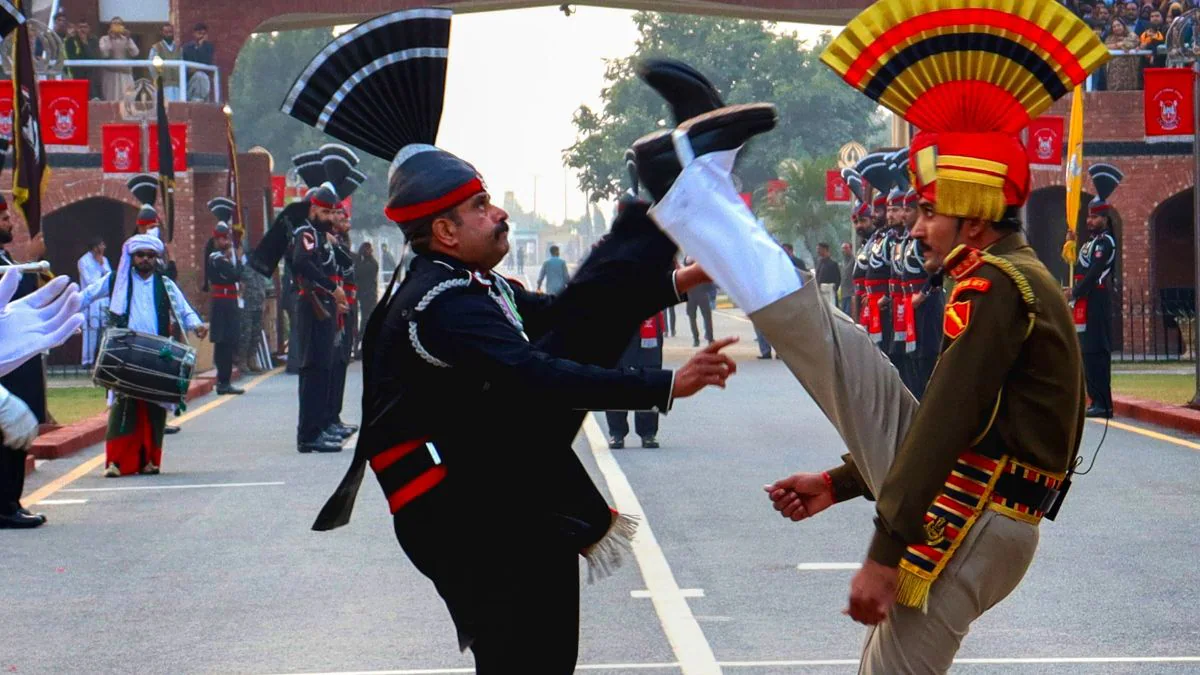
The iconic ‘Beating Retreat’ ceremony at the Attari-Wagah border, a long-standing symbol of cross-border military courtesy between India and Pakistan, has resumed after a brief suspension following the deadly terror attack in Pahalgam. However, this time the ceremony is being conducted under a markedly different format, reflecting India’s hardened stance in the wake of recent events.

The change in protocol comes after the April 22 terror attack in Pahalgam, Jammu and Kashmir, in which 26 innocent lives were lost, most of them tourists. The brutality of the attack sent shockwaves across the country and raised widespread concerns over national security. In swift retaliation, the Indian Army launched a precision military response under the codename Operation Sindh, which involved successful air strikes on multiple terrorist bases in Pakistan-occupied Kashmir (POK).

In parallel with its military response, India is also recalibrating its diplomatic messaging. The resumption of the Beating Retreat ceremony—traditionally marked by the synchronized opening of the border gates and symbolic handshake between India’s Border Security Force (BSF) and Pakistan’s Rangers—now omits these gestures. Under the revised protocol, the gates remain closed and there is no cross-border handshake, marking a clear shift in tone.

Spectators are still permitted to attend the event, but under stringent security arrangements. Officials have emphasized that the revised ceremony serves as a deliberate message: ceremonial traditions will continue, but there will be no compromise when it comes to terrorism.

Established in 1959, the Beating Retreat has stood as a ritual of military decorum and restrained diplomacy. While the essence of the ceremony remains intact, its altered form underscores the growing priority placed on national security.

Experts believe this symbolic change also resonates on the global stage, signaling India’s resolute approach toward terrorism and its source. It reflects a broader diplomatic and strategic recalibration, wherein gestures of friendship are now tempered by practical concerns over safety and national interest.

The current shift prompts deeper reflection: is this the beginning of a permanent change in one of South Asia’s most iconic border rituals, or will the traditional camaraderie eventually return if geopolitical conditions improve?

For now, the answer lies at the border, where pageantry continues—but with caution, not compromise.

error: Content is protected !!
Exit mobile version