Category Archives: Health

May heat wave in India 1.5 degrees Celsius warmer than previous extremes

PTI, New Delhi, Jun 7, 2024 :  Heatwaves like those experienced in India this May are nearly 1.5 degrees Celsius warmer than the country’s previously recorded hottest heatwaves, according to a new rapid attribution study by an independent group of climate scientists and researchers.


The analysts at ClimaMeter said the intense and prolonged heat wave India endured in May was a result of the naturally occurring El Nino phenomenon — unusual warming of the ocean surface in the central and eastern tropical Pacific Ocean — and the rapidly increasing concentration of greenhouse gases — primarily carbon dioxide and methane — in the atmosphere.

The researchers analyzed how events similar to the high temperatures in India’s May heatwave changed in the present (2001-2023) compared to the past (1979-2001).

“The temperature changes show that similar events produce temperatures in the present climate at least 1.5 degrees Celsius warmer than what they would have been in the past over a large area of the region analyzed. The precipitation changes do not show any significant variations,” the analysis read.

ClimaMeter’s findings underscore that heatwaves in India are reaching unbearable temperature thresholds because of fossil fuels burning, said Davide Faranda of French National Centre for Scientific Research.

“There are no technological solutions for temperatures approaching 50 degrees Celsius. We should all act now to reduce CO2 emissions and avoid exceeding vital temperature thresholds in large areas of the subtropics,” he said.

Gianmarco Mengaldo of National University of Singapore said the findings show the complex interplay between natural variability and climate change, with the latter playing an important role in critical synoptic-weather-pattern changes in tropical and subtropical regions that may significantly aggravate heatwaves in the near future.

The world is witnessing weather extremes under a combined effect of the 2023-24 El Nino and human-caused climate change.

This May was the warmest May ever and the last 12 consecutive months — June 2023 to May 2024 — have broken temperature records for each corresponding month, according to the European climate agency Copernicus.

Northwest India and parts of the central region reeled under a punishing heatwave in May which tested India’s disaster preparedness, with several states reporting heat-related deaths.

There are concerns that heat waves in April and May have played a role in the lower-than-usual voter turnout during the seven-phase general elections in India that began on April 19 and ended on June 1, the second longest after the 1951-52 parliamentary elections.

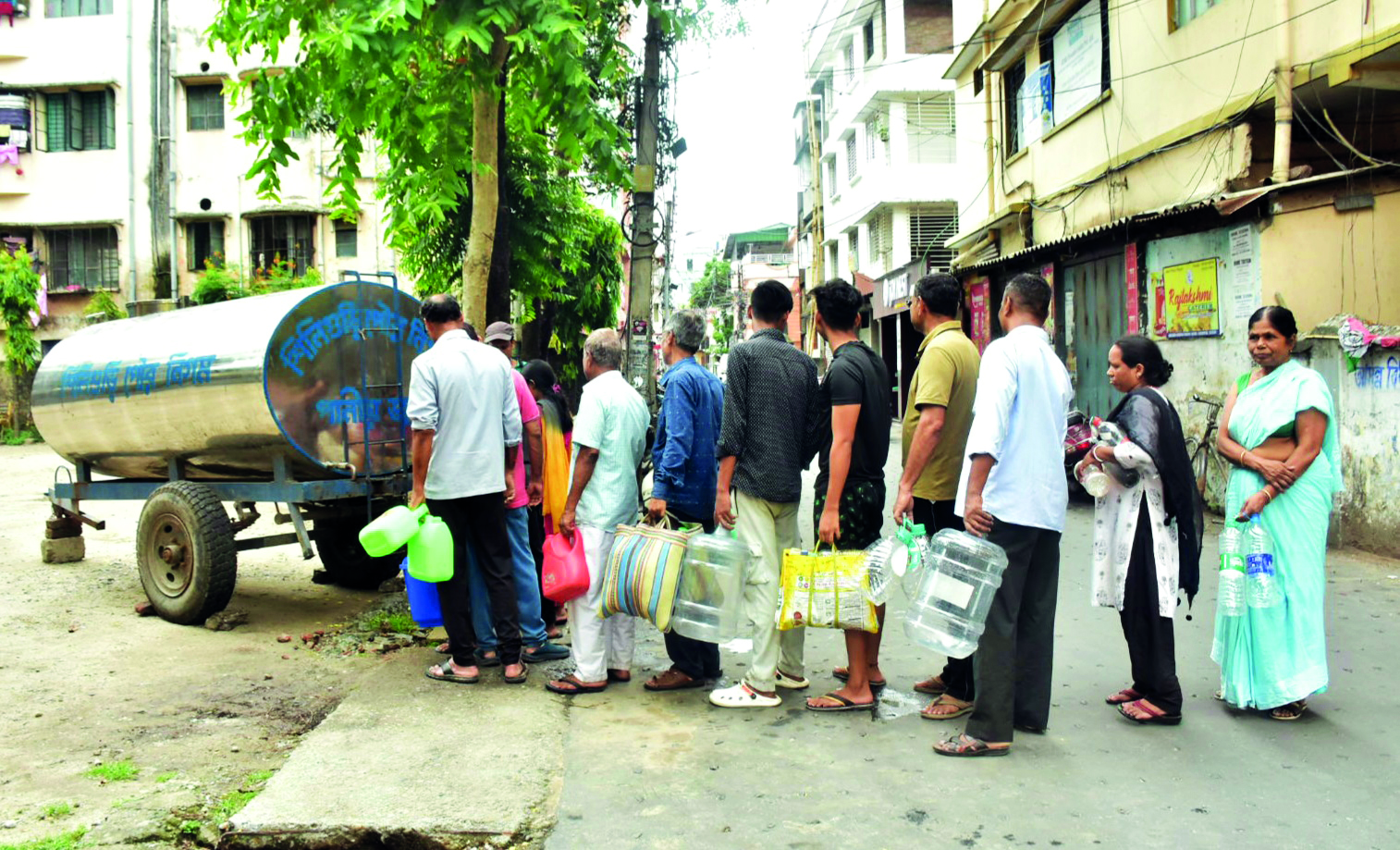
According to the Central Water Commission, water storage in 150 major reservoirs in India dropped to just 22 per cent of their live storage this week, exacerbating water shortages in many states and significantly affecting hydropower generation.

The intense heat has already driven India’s power demand to a record 246 gigawatts, with air conditioners and coolers in homes and offices running at full capacity.
    
India recorded nearly 25,000 suspected heat stroke cases and 56 deaths due to heat-related illnesses from March to May, PTI reported earlier, citing data from the health ministry.

According to data compiled by the National Centre for Disease Control (NCDC), 46 of these deaths were recorded in May alone (till May 30). Between May 1 and 30, 19,189 suspected heat stroke cases were reported in the country, it said.
    
The data does not include deaths from Uttar Pradesh, Bihar, and Delhi, and the final numbers are expected to be higher, a source said.

Severe heat waves have impacted a large number of people in parts of India for three consecutive years, affecting health, water availability, agriculture, power generation, and other sectors of the economy.

The heatwave in May saw several places across the country, including Assam, Himachal Pradesh, and Arunachal Pradesh, recording their all-time high temperatures.    Parts of India saw record-breaking maximum temperatures in April as well.

Similar heatwaves could occur once every 30 years, and these have already become about 45 times more likely due to climate change, ‘World Weather Attribution’, a group of leading climate scientists, said last month.

Experts say those working outdoors, the elderly, and children are at higher risk of heat exhaustion and heatstroke.

According to a World Bank report, India could account for 34 million of the projected 80 million global job losses from heat stress-associated productivity decline by 2030.

In the absence of adequate cold-chain infrastructure, extreme heat can cause major damage to fresh produce. Studies show India faces food losses worth USD 13 billion a year, with only four percent of fresh produce covered by cold chain facilities.

Prolonged use of AC may raise risk of dry skin, asthma attacks: Doctors

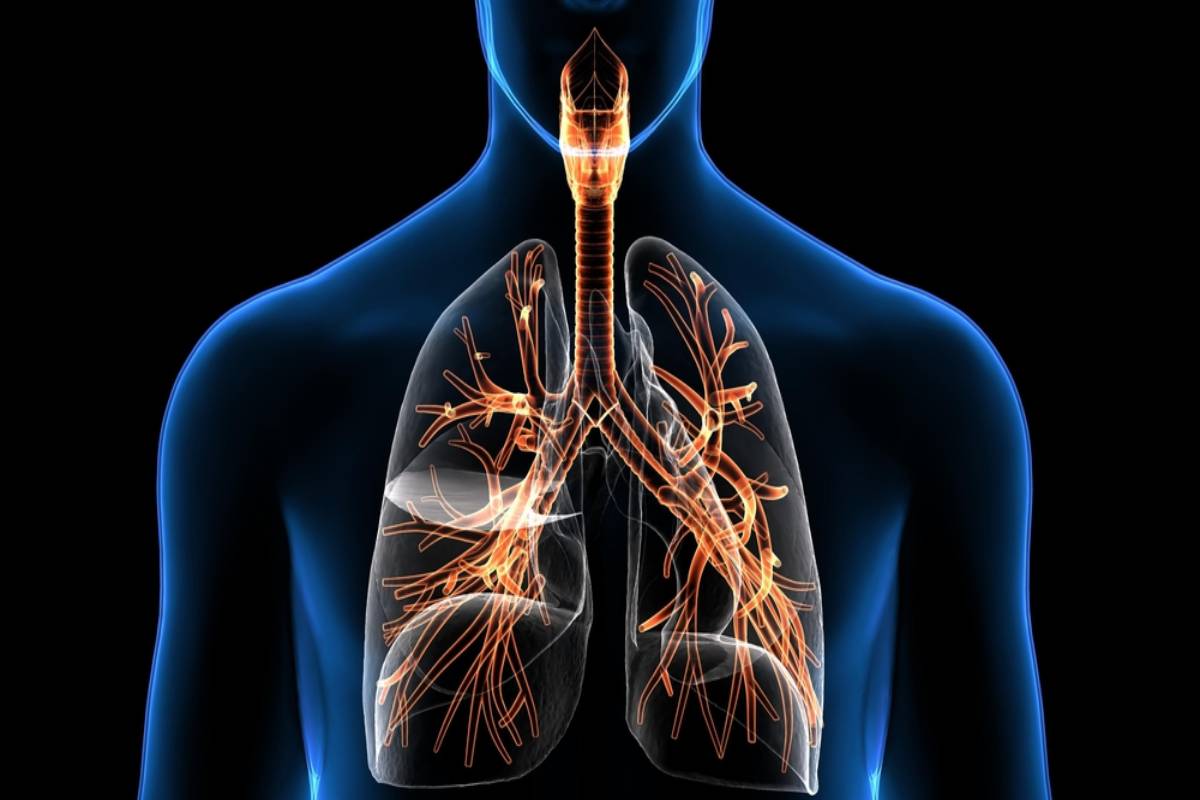
 While air conditioning (AC) provides much-needed respite in the scorching summers when mercury is soaring high, its prolonged use may also raise several health risks including skin and respiratory problems, warned doctors on Sunday.
IANS | New Delhi | June 5, 2024 : While air conditioning (AC) provides much-needed respite in the scorching summers when mercury is soaring high, its prolonged use may also raise several health risks including skin and respiratory problems, warned doctors on Sunday.

With the advent of rapidly growing urban regions and income growth, more people are using ACs to protect from high heat exposures. It usually works on the principle of cooling air by reducing the humidity following condensation of the water vapour.

“Prolonged exposure can cause a lot of health hazards ranging from dry, flaky and stretched skin to headaches, dry cough, dizziness and nausea, trouble concentrating, fatigue, and sensitivity to odours,” Suhas H S, Consultant Pulmonologist, Manipal Hospital, Bengaluru told IANS.

It may also worsen respiratory diseases such as allergic rhinitis and asthma, and raise the risk of infections if AC is not maintained adequately, added the doctor.

The health experts advised to avoid prolonged exposure to the cold.

“The medical problem associated with air conditioning is that they do not have proper filtration, the ideal HEPA filters which are recommended or they’re in very few branded good company air conditioners. Lack of this chokes the filters due to pollution, and increases the risks for infection,” M Wali, Senior Consultant, Department of Medicine, Sir Ganga Ram Hospital, told IANS.

“The risk is more in commercial Heating, ventilation, and air conditioning (HVAC) set up than home AC setups. Though not much data is available regarding home AC cooling systems and bacterial contamination, certain bacteria do form biofilm on the cooling coils and may lead to infections in humans exposed to AC for more than 90 per cent of time,” added Satish Koul, Senior Director & Unit Head, Internal Medicine, Fortis Memorial Research Institute, Gurugram.

An example may be legionnaires disease — a severe form of pneumonia. Legionnaires disease was discovered based on the contamination of water in the HVAC system and consequent aerosol mist leading to the spread of the atypical bacteria, Satish told IANS.

Further, suddenly walking into a cold AC room from exposure to severe heat, may cause bronchoconstriction — narrowing of the airways, said Wali. This may be more prominent in people with asthma.

The experts suggested proper cleaning of AC filters and switching off ACs every two hours.

Low memory, attention can indicate vitamin B12 deficiency, hyperthyroidism

PTI, NEW DELHI, JUNE 3, 2024 : People feeling problems with memory, attention, focus, and concentration may be having vitamin B12 deficiency as well as hyperthyroidism, said health experts on Monday.


According to a recent study, published in Frontiers in Endocrinology, nearly one in four patients with either hypothyroidism or subclinical hypothyroidism suffer from a vitamin B12 deficiency.

“Hypothyroidism and B12 deficiency both can cause acceleration of the degenerative or age-related processes,” Dr M. Wali, Senior Consultant, Department of Medicine, Sir Ganga Ram Hospital, told IANS.

“Hypothyroidism is commonly associated with vitamin B12 deficiency. If left untreated, hypothyroidism can also contribute to cognitive impairment,” said Dr Sudhir Kumar, from Indraprastha Apollo Hospitals, Hyderabad, in a post on X.com.

The experts called on both vegetarians and non-vegetarians to monitor their B12 as well as thyroid levels.

Dr Wali said that most of the patients these days have vitamin B12 deficiency.

“Hyperthyroidism can also cause vitamin B12 deficiency, sometimes because of increased utilisation, and therefore the process of nerve conduction and transmission of the nerve impulses gets delayed.

“These processes can be accelerated among patients more than 55 years of age,” the doctor said.

Dr Wali called for enhancing the vitamin B12 testing in patients older than 55 years, and if it is deficient take medications “under supervision”.

“Keep your thyroid normal, and test every three months,” he advised.

“People presenting with memory and other cognitive difficulties without any obvious cause should be screened for vitamin B12 deficiency and hypothyroidism,” added Dr Sudhir.

Sober 50-year-old kept appearing drunk. Then doctors found her UTIs were to blame

div style=”text-align: justify;”>

MiamiHerald, 3 June 2024 : For years, a Canadian mom would have an occasional glass of wine or drink around the holidays, but she maintained a mostly sober lifestyle. She eventually leaned into her religious beliefs and stopped drinking alcohol altogether. Then, she walked into an emergency room drunk. 
Beginning two years earlier, the 50-year-old woman had odd cases of sleepiness where she would get so drowsy she would fall asleep “suddenly while getting ready for work or preparing meals,” according to a June 3 case report published in the Canadian Medical Association Journal. 
She went to her primary care doctor and the emergency room multiple times while barely awake, her speech slurring and the smell of alcohol emanating from her breath, according to the case report. 
She was adamant that she was sober, and her family corroborated that no one had seen her consume any alcohol, doctors said. 
During her first visit to the emergency room, her alcohol level was a 39 when the normal level was below 2, according to the case report, but her liver enzymes remained completely normal. But by later visits, that value reached 62, more than 30 times normal levels. 
Nothing appeared abnormal on brain scans, and she was repeatedly referred to an addiction specialist and psychiatrists over seven doctors visits in two years, doctors said. 
Later, the patient told doctors about recurring urinary tract infections she had been experiencing for years. She was prescribed strong, wide-range antibiotics to stop the infection, and these seemingly drunk episodes would occur afterward, according to the case report. 
During her last emergency room visit, doctors confirmed she also had an urinary tract infection, and a diagnosis was proposed. 
Her body was brewing alcohol inside her gut. “Auto-brewery syndrome is a rare syndrome of endogenous alcohol fermentation. 
A 1948 report of a boy with a ruptured stomach whose contents smelled of alcohol was the first to describe gut fermentation,” according to the case report. 
“A 2020 systematic review identified 20 patients reported in the English medical literature since 1974.” 
The syndrome occurs when the microorganisms in the gut that are capable of fermenting carbohydrates into alcohol are able to outgrow the “good” bacteria in our gastrointestinal system, doctors said. 
When someone takes antibiotics for an infection, the drugs aren’t always able to target bad bacteria alone, and bacteria in the gut can also be affected, usually resulting in doctors recommending a probiotic or to eat yogurt while taking a round of antibiotics. 
In extreme cases, antibiotics kill so much of the good bacteria that keeps the gut balanced that the bad, fermenting-capable fungi and microorganisms flourish. 
“In our patient, we suspect her recurrent antibiotics for UTI and dexlansoprazole use (a prescription drug used to treat heartburn and reflux symptoms) led to gut dysbiosis with potential contribution of genetics, resulting in auto-brewery syndrome,” according to the case report. 
The condition can be hard to treat as the microorganisms, in this case a fungus, can live in the body naturally without any harmful effects, doctors said. 
“Auto-brewery syndrome carries substantial social, legal and medical consequences for patients and their loved ones,” doctors said. 
In previous cases, people have been accused of driving under the influence only later to find out they have auto-brewery syndrome. 
For this mother, a combination of antifungal medication, a lower carbohydrate diet and a change to her treatment for UTIs led to an end of the drunken spells, according to the case report.