Baby Chakraborty, KalimNews, August 30, 2024, Jalpaiguri: In a fresh controversy involving civic volunteers, a “retired” civic volunteer, Kishore Roy, and his associate were arrested by the Jalpaiguri Kotwali police station on charges of drug possession. The incident has once again brought civic volunteers under the spotlight, raising concerns about the conduct and accountability of those associated with law enforcement.
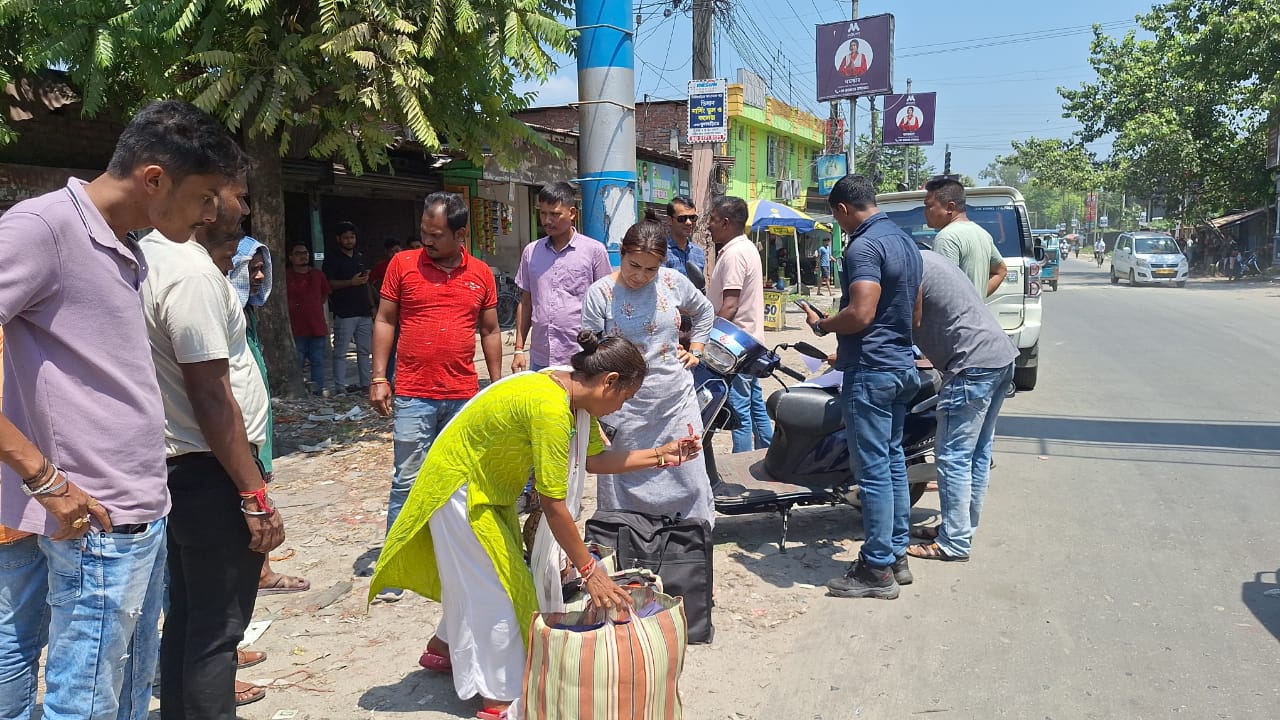
The incident unfolded on Thursday afternoon near the Teesta River in Balapara, a locality close to Jalpaiguri city. Locals noticed two suspicious-looking youths on the riverbank and began questioning them. During the interrogation by locals, one of the young men, later identified as Kishore Roy, claimed to be a civic volunteer. Sensing something amiss, the locals promptly informed the Jalpaiguri Kotwali police station.
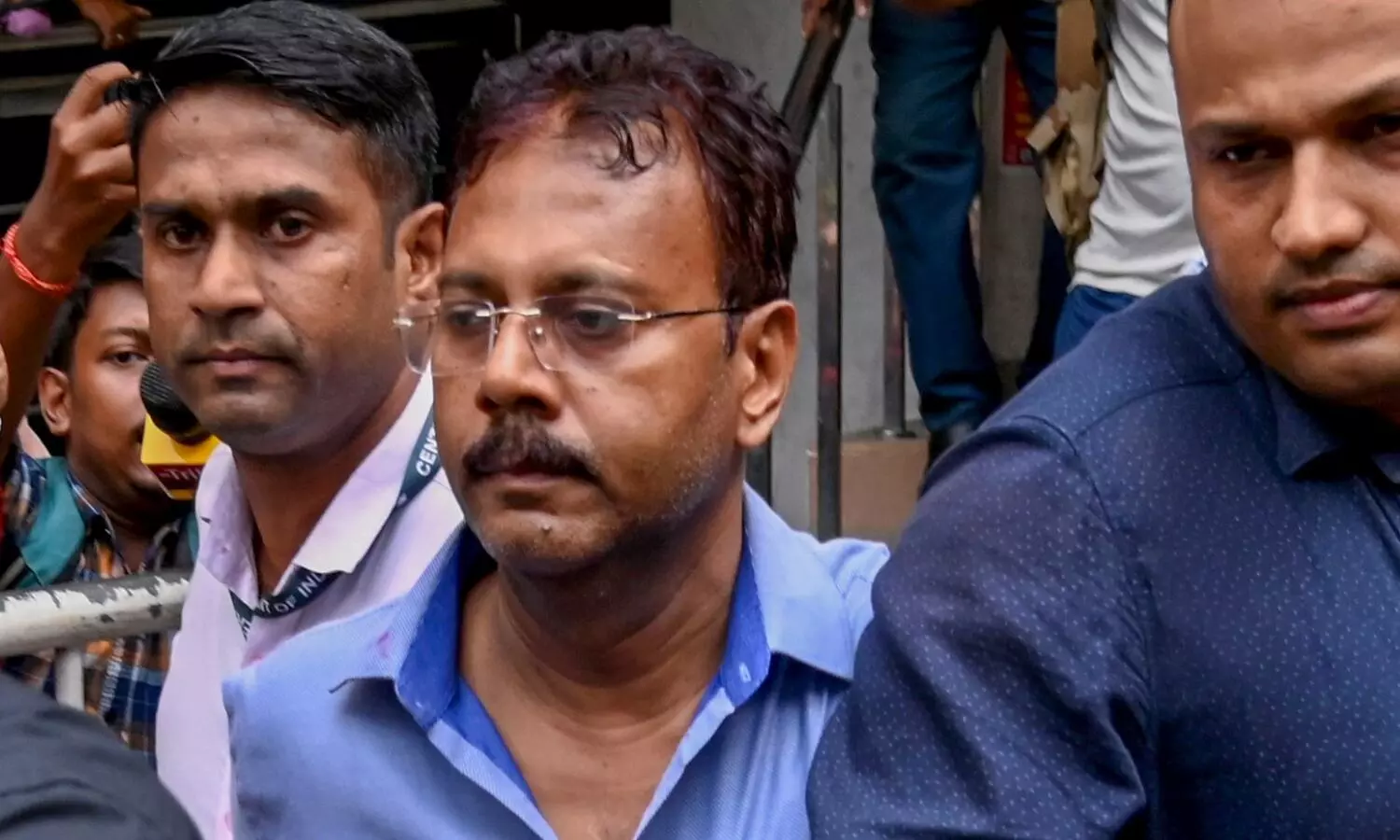
Upon receiving the information, a team of police officers arrived at the scene and apprehended the two youths. A search of the duo led to the recovery of one and a half grams of brown sugar (a form of heroin) and 93 intoxicating tablets. Both Kishore Roy and his associate, identified as Sameer Mandal, were taken into custody.
During initial questioning at the police station, the arrested men claimed that the drugs were for their personal use to get intoxicated. However, the police were not convinced by their explanations and decided to formally arrest them after further interrogation. A case has been registered against the two under the Anti-Narcotics Act (NDPS Act). According to police sources, the two will be produced in Jalpaiguri court today, Friday, and are expected to be remanded in custody.
Jalpaiguri Superintendent of Police, Umesh Khandabahale, confirmed the arrests and provided additional details about the individuals involved. “Kishore Roy, who was working as a civic volunteer at Banarhat police station, was removed from his duties on August 16 due to several complaints against him,” said SP Khandabahale. “His past record of misconduct had already marked him as a problematic civic volunteer.”
The other arrested individual, Sameer Mandal, is a resident of the King Saheb Ghat area of Jalpaiguri town. The police are investigating if there is a larger network involved or if they were merely consumers of narcotics. Both have been charged under relevant sections of the Narcotic Drugs and Psychotropic Substances (NDPS) Act for illegal possession of narcotics.
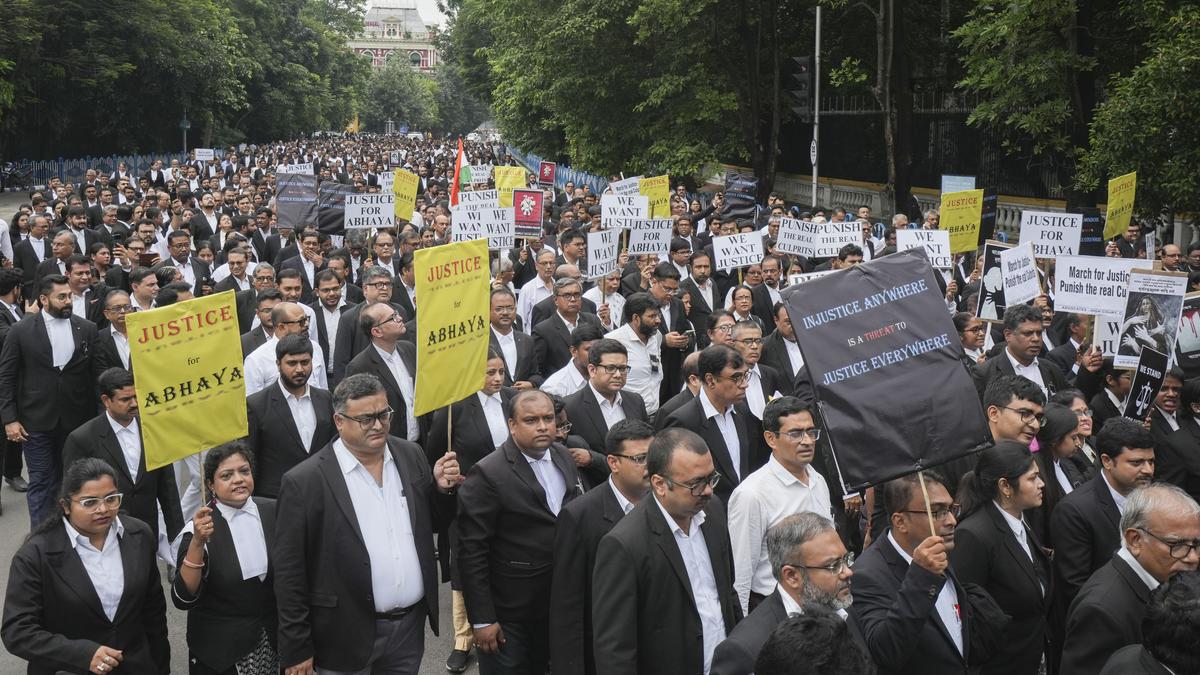
This is not the first time civic volunteers have been in the news for the wrong reasons. In recent years, there have been increasing reports of misconduct and criminal activities involving civic volunteers, who are recruited to assist the police force in maintaining law and order. Earlier, the names of civic volunteers were involved in several incidents, including the RG Kar case, which created a significant controversy. This time, the arrest of a former civic volunteer with drugs has created a sensation again, raising serious concerns about the vetting process, training, and oversight of civic volunteers.
Local residents have expressed their concerns about the safety and integrity of law enforcement services in their area. “It is shocking that someone who was supposed to assist the police was himself involved in such illegal activities,” said a local resident from Jalpaiguri. “The authorities need to thoroughly investigate and ensure that those assisting the police are trustworthy.”
In light of the incident, the Jalpaiguri police have promised stricter oversight and background checks for those involved in civic volunteer programs. “We are taking this incident very seriously,” said a senior police official. “We will ensure that such elements are weeded out from the system, and a thorough background check is conducted before allowing anyone to serve as a civic volunteer.”
The arrest of Kishore Roy and Sameer Mandal is a stark reminder of the need for stricter scrutiny and regulation within the civic volunteer program. As investigations continue, the police aim to uncover whether this was an isolated case or part of a more extensive network operating within the region.
The arrests have sparked debate about the role and accountability of civic volunteers within the police framework. Public confidence has been shaken, and there are calls for a comprehensive review of the civic volunteer system to prevent such incidents in the future.
Both Kishore Roy and Sameer Mandal have been remanded in judicial custody, and the case will be presented before the court today, Friday. As the legal proceedings unfold, it remains to be seen what further revelations might come to light.