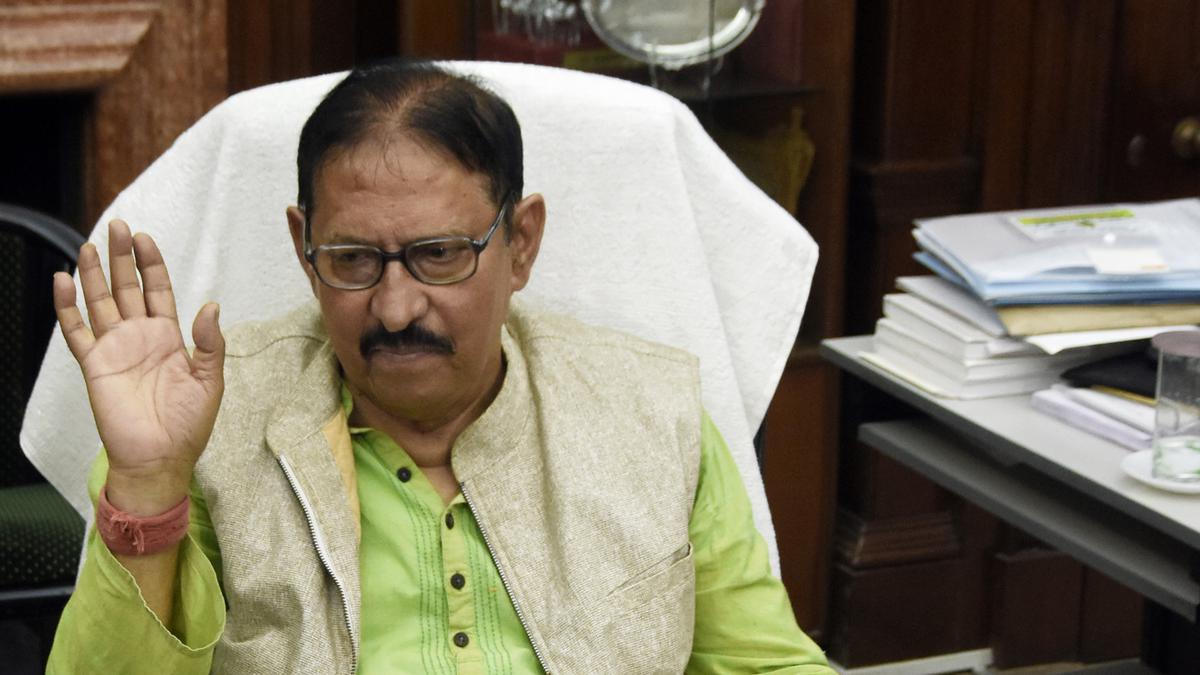
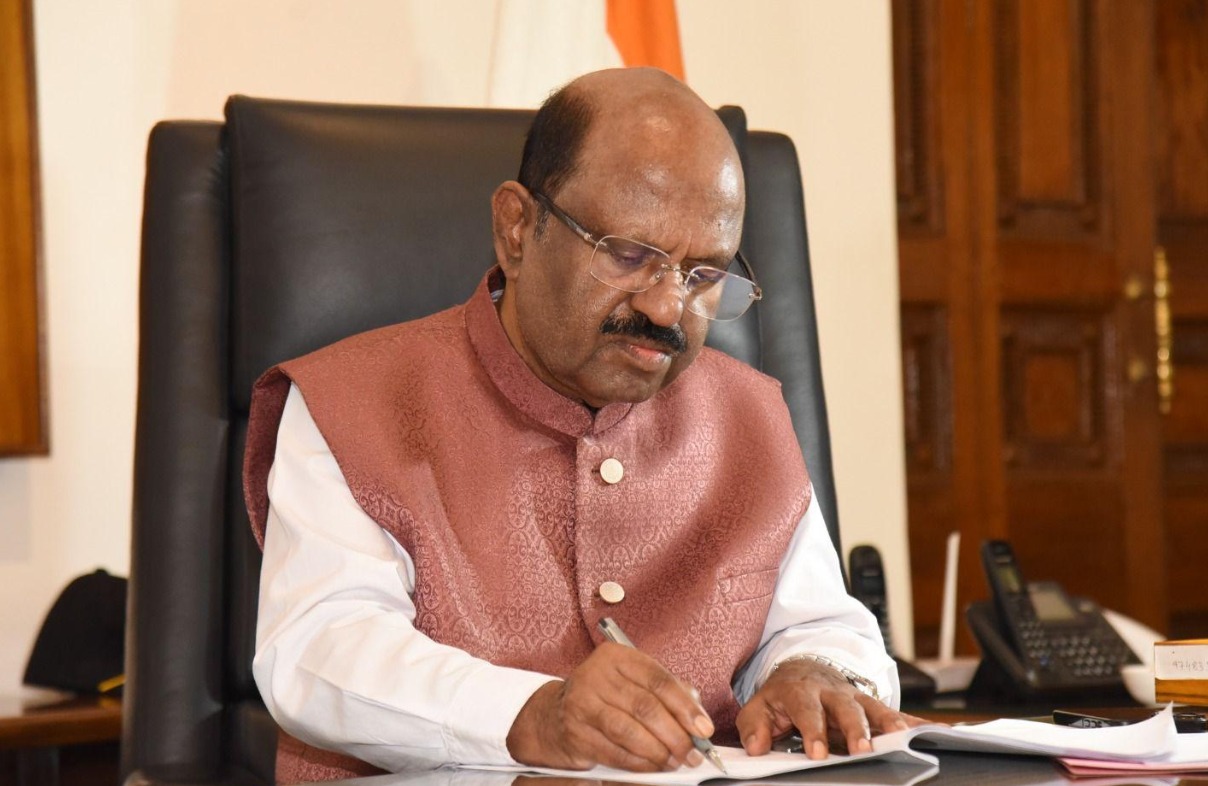
Chakraborty’s legal team asserts that Ghosh’s accusations have caused irreparable harm to the actor’s personal and professional reputation. The suit specifically refers to Ghosh’s allegations that Chakraborty was involved in several high-profile financial scandals, including the notorious Alchemist Group money laundering case, the Rose Valley Financial Scandal, and the Saradha Chit Fund Scandal. According to Chakraborty’s lawyers, these accusations are entirely unfounded and have been made with malicious intent, driven by political animosity.
In addition to the financial allegations, the defamation suit also highlights Ghosh’s claims about Chakraborty’s family. Ghosh reportedly accused Chakraborty’s son of being involved in a rape case, an allegation Chakraborty vehemently denies. Furthermore, the TMC spokesperson allegedly made remarks about Chakraborty’s wife, suggesting her involvement in dubious financial transactions. These comments, Chakraborty argues, were designed to tarnish his family’s reputation and harm their social standing.
The actor-turned-politician, who is also a recipient of the Padma Bhushan and Dadasaheb Phalke Lifetime Achievement Award, claims that the defamatory remarks have not only affected his personal life but have also jeopardized his career in films and advertising. He is now seeking legal redress in a bid to restore his and his family’s honor and to hold Ghosh accountable for the damage caused by his statements.
In a sharp counteraction, Kunal Ghosh has also taken legal steps, filing a criminal defamation suit against Mithun Chakraborty. Ghosh expressed his readiness to face the legal proceedings and indicated that he would seek a CBI investigation into the allegations he made against the actor. He further stated that he had already filed his own defamation suit against Chakraborty in the Bankshall Court, claiming that the actor had made defamatory remarks about him. Ghosh has also challenged Chakraborty’s claims, pointing out the actor’s history of political affiliations — from his early involvement with the Naxalite movement to his later affiliations with Shiv Sena, TMC, and now BJP. Ghosh argues that Chakraborty’s frequent changes in political allegiance raise questions about his credibility.
The situation has become a highly charged political and legal standoff, with both parties using the courtroom as a platform for their broader political battles. Ghosh’s remarks about Chakraborty’s political career — including accusations that the actor switched parties to avoid investigation — have only fueled the fire. Ghosh, who has been vocal about his criticism of Chakraborty’s political moves, emphasized that he was “waiting for this situation” to present documents related to the chit fund cases in court, and insisted that the CBI should investigate the matter further.
While the legal battle intensifies, it remains to be seen how the courts will rule on the defamation suits. The legal proceedings, which have been marked by intense public scrutiny, have yet to announce a hearing date, although sources suggest that the case may be brought before the court as early as next week.
This high-profile defamation dispute underscores the ongoing rivalry between two prominent political figures in West Bengal and highlights the complex interplay between politics and personal reputations in the state. It also sheds light on the intricacies of political discourse, where personal attacks and legal confrontations often spill over into public view, creating dramatic spectacles that resonate with the public and media alike.
As the case develops, the people of Bengal, and indeed the entire nation, will be watching closely to see how this legal drama unfolds in the courts.
In a video message shared on social media, Agnihotri, best known for his previous works The Tashkent Files (2019) and The Kashmir Files (2022), called upon the Chief Minister to uphold the principles of freedom of speech and ensure that The Bengal Files is shown in cinemas across the state.
Agnihotri claimed that theatre owners in West Bengal were being threatened by TMC workers, resulting in uncertainty about whether the film would be allowed to be released as scheduled this Friday. In his emotional appeal, the filmmaker reminded Banerjee of her oath to protect the constitutional rights of every citizen, including the freedom to express opinions through cinema. “You have taken an oath on the Indian Constitution to protect free speech,” Agnihotri stated, adding that the Central Board of Film Certification (CBFC) had already cleared the film for release.
The film is the third and final instalment in Agnihotri’s ‘Files’ trilogy and explores the communal violence of 1946, a subject that remains contentious in the state’s political climate. While Agnihotri argued that reopening old wounds through cinema is essential for historical awareness, he also noted that other historical tragedies, such as the Hiroshima and Nagasaki bombings, are taught to children worldwide. He questioned why the new generation should not be made aware of this critical chapter in Bengal’s and India’s history.
“The true spirit of Bengal will not allow this movie to be banned,” Agnihotri asserted, emphasizing the film’s importance in fostering national dialogue. He further criticized the opposition to the film, pointing out the inconsistencies in how selective historical events are portrayed or suppressed.
The controversy surrounding The Bengal Files intensified earlier this month when the film’s trailer launch in Kolkata was physically stopped by protestors. Agnihotri described this as an attack on the freedom of expression and called on the state government to ensure that no further disruptions take place.
However, in a reaction to Agnihotri’s video, Trinamool Congress leader Kunal Ghosh dismissed the filmmaker’s claims of political interference, stating that the decision to restrict the screening of the film was made by theatre owners independently. Ghosh accused Agnihotri of attempting to provoke conflict under the guise of filmmaking, pointing out that there was no political pressure involved.
Ghosh also criticized Agnihotri’s selective conscience, citing his silence over other incidents such as the Godhra riots and the ongoing violence in Manipur. “Where was Vivek Agnihotri’s conscience when Gujarat was burning or when Manipur was suffering? His conscience only awakens when it suits his narrative,” Ghosh remarked.
Amidst these tensions, The Bengal Files also faces delays in its international release, particularly in Mauritius, where it has not yet received the necessary clearance from the local censor board. The film is also undergoing review in regions like the UAE, Singapore, Malaysia, and Hong Kong, which have stringent content approval processes for films dealing with politically sensitive themes.
As the film’s release date approaches, all eyes are now on how the political and social pressures in Bengal will influence its screening and reception across the country.
The notification gives expanded powers to the Foreigners Tribunal, allowing it to send any suspected illegal foreigner to a detention center, even if they claim to be Indian citizens. In such cases, the individual will not be allowed to present evidence or seek bail, and their detention will continue until the deportation process is complete.
The order also places a significant focus on Bangladeshi infiltrators, with operations already underway in several states to apprehend and expel individuals suspected of entering India illegally. However, these moves have sparked protests, particularly from political parties like the Trinamool Congress (TMC), which alleges that the new guidelines unfairly target Bengali-speaking people, accusing them of being disproportionately detained and pushed back to Bangladesh based solely on their language and ethnicity.
As part of the enforcement measures, the Union Home Ministry has directed all states and union territories to establish designated detention centers for undocumented immigrants. The new regulations require that foreign nationals provide biometric data when applying for an Indian visa, and impose restrictions on foreigners involved in serious criminal activities, including terrorism, human trafficking, and drug offenses.
The ministry’s order also tightens restrictions on foreign nationals in India. They are now required to obtain written permission from the government for activities like media production, mountaineering expeditions, and accessing restricted areas. Moreover, individuals from Afghanistan, China, and Pakistan are prohibited from visiting certain sensitive regions, including parts of Arunachal Pradesh, Mizoram, Nagaland, and other border states.
In a move to ensure tighter control over foreign nationals, the Home Ministry has also stated that individuals may be barred from leaving the country if they are under investigation, suffering from diseases that pose a public health risk, or if their departure could harm international relations. A new list will be maintained by the Bureau of Immigration to track foreign nationals who have been denied entry or permission to leave India.
The notification has sparked a heated political debate. While the BJP justifies the move as necessary to protect India’s borders, opposition parties, particularly in states like West Bengal, have criticized the policy as discriminatory. The TMC has accused the ruling party of using the issue of illegal immigration as a tool to target linguistic and ethnic minorities, claiming that it disproportionately affects the Bengali-speaking population.
As the Immigration and Foreigners Act begins to take effect, tensions are expected to escalate between the Centre and opposition-led state governments, particularly in regions where large numbers of Bengali speakers reside. The future of India’s immigration policy remains uncertain, as the government’s strict stance on undocumented immigrants continues to stir both support and opposition across the political spectrum.
Baby Chakraborty, KalimNews, September 4, 2025, Kolkata : In a significant development for the Bharatiya Janata Party (BJP) in West Bengal, state president Shamik Bhattacharya has officially launched the ‘Karyakarta Darbar’ at the party’s historic headquarters at 6 Muralidhar Sen Lane. The initiative, designed to bridge the gap between the party leadership and its workers, is aimed at addressing the concerns of BJP members at the grassroots level.
Baby Chakraborty, KalimNews, September 2, 2025, Kolkata : Abhishek Banerjee, the All India General Secretary of the Trinamool Congress (TMC), delivered a stern message of unity and cooperation to the leadership of the Ghatal organizational district of West Midnapore during a meeting in Kolkata on Monday. The meeting, held at Camac Street, came in the wake of internal disputes within the district leadership, particularly over the changes at the block level.
Present at the meeting were senior state ministers, including Manas Bhuiyan, Shiuli Saha, former minister Humayun Kabir, and Ajit Maiti, among other prominent leaders of the Ghatal district’s branch organizations. Abhishek Banerjee emphasized the importance of working cohesively to strengthen the party, particularly as leadership adjustments and changes at the block level are inevitable.
The main point of contention in the district is the ongoing dispute between key leaders, specifically Radhakant Maiti, the current chairperson of Ghatal, and Humayun Kabir, the current MLA of Debra. The tension between the two stems from their differing approaches to leadership at the block level. Radhakant, who was previously the MLA of Debra, has clashed with Humayun, and their relationship has been described as strained. The leaders’ disagreements have become particularly evident in the ongoing changes to the leadership in the blocks of Debra, Pingla, and Keshpur.
Moreover, Shiuli Saha, another influential leader from the district, has faced opposition from a section of the district over leadership changes in Keshpur. These internal conflicts have created a rift within the Ghatal organizational district, hindering the party’s unity and progress in the region.
According to several leaders present at the meeting, Abhishek Banerjee addressed these concerns directly. He acknowledged the differing proposals from the district’s leadership, including suggestions from Radhakant, Shiuli, Humayun, and Ajit. However, he made it clear that while these proposals would be considered, the final decision regarding leadership changes and organizational matters would rest with party leader Mamata Banerjee.
Abhishek’s call for unity was not just a directive but a firm reminder that the TMC must move forward together. “In the coming days, everyone, including Mamata Banerjee, will have to accept the necessary changes made at the block level. The party’s future depends on collective efforts and working together,” Abhishek asserted during the meeting.
The tensions within the Ghatal district are part of broader discussions around party unity and leadership restructuring within the TMC. With the party facing challenges in maintaining cohesion, Abhishek’s message was seen as a clear indication that internal conflicts must be resolved swiftly and with the party’s broader goals in mind.
As the party moves forward, the hope is that these internal disputes will be resolved and the leadership can unite to focus on the larger objective of strengthening the Trinamool Congress in West Bengal.
Although the state BJP leadership, including figures like State President Shamik Bhattacharya, share a consensus on Ghosh’s value, it is ultimately the central leadership in Delhi that will determine his future role. The ongoing question in political circles is whether Delhi will re-appoint the former state president to the state committee or assign him to another crucial post.
In a recent meeting at the state BJP office in Salt Lake, Ghosh, in his signature candid style, declared that despite lacking an official party position and facing the impending end of his tenure as MP in 2024, he still maintains his relevance in Bengal’s political arena. “I still have a price in the market,” Ghosh remarked, signaling that he has not been sidelined completely, despite his diminishing visibility. His consistent assertion that he has not lost his relevance in the state speaks volumes about his self-assuredness and potential political maneuvering.
However, the critical question remains: Is Dilip Ghosh about to receive a new political responsibility? Will the party grant him a place back in the central or state committee? Responding to this uncertainty in the past, Ghosh stated, “Let’s see how the party wants. I have previously contested in the assembly and Lok Sabha, and I will do whatever is needed for the party’s needs.” His willingness to adapt to the party’s demands suggests that Ghosh is keeping his options open, awaiting a potential political reshuffle.
The political dynamics within the state BJP have certainly shifted since Shamik Bhattacharya assumed the role of state president. Bhattacharya’s leadership has elevated the importance of veteran party members, and one of his clear objectives is to integrate long-serving workers back into the party’s fold. Given this context, it is highly possible that Ghosh, as a prominent leader with years of experience, could be reintroduced into the political fold.
As one of the party’s strongest and most influential leaders in Bengal, Dilip Ghosh’s political trajectory is far from over. With the next assembly elections on the horizon, many are watching closely to see whether Ghosh will once again be at the forefront of West Bengal BJP’s political strategy. The coming months will likely reveal whether Ghosh’s political influence will be revived or if he will continue to play a more diminished role in state politics.
The controversy erupted on Friday when Rakesh Singh and his supporters were seen engaging in a violent attack on the Pradesh Congress office, setting fire to photographs of Congress leaders, including Rahul Gandhi, and burning the party’s flags. The event has sparked widespread backlash, with critics accusing Singh of crossing a line that could damage the BJP’s public image. However, the most significant fallout appears to be within the party itself.
As the incident gained attention, the state BJP, under pressure from various quarters, distanced itself from Singh. State President Shamik Bhattacharya, who had been under political pressure, condemned the actions, making it clear that the BJP does not support the burning of any political party’s flag. “This was not an approved program of the party,” Bhattacharya asserted, signaling his firm stance against the attack.
Meanwhile, Shuvendu Adhikari, who has often been seen as a guiding force for Rakesh Singh within the BJP, also distanced himself from the controversy. In his response, Adhikari confirmed that Singh is a BJP member but made it clear that the party does not condone his actions. “I support what our state president Shamik Bhattacharya has said about this incident. This was not an approved program of the party,” Adhikari stated, further signaling his discomfort with Singh’s actions.
The growing tension between Rakesh Singh and key BJP leaders has underscored the factional struggles within the state unit of the party. Singh’s close ties to Shuvendu Adhikari have long been noted in political circles, and his sudden isolation raises questions about internal power dynamics within the Bengal BJP. The lack of support from both Adhikari and Bhattacharya highlights the deepening divide among party leaders, especially as the state prepares for the upcoming elections.
Rakesh Singh, who was once seen as an influential figure in the party, now faces a precarious position. His political future seems uncertain as he finds himself increasingly isolated, with his recent actions seemingly out of step with the party’s official stance. As the situation continues to unfold, it remains to be seen whether Singh will be able to mend his relationship with the party leadership or if this marks the beginning of his political decline within the BJP.
The modernized library, a reflection of cutting-edge infrastructure and educational innovation, was established under the guidance of Sudhir Kumar Mehta, a prominent alumnus of the school and a senior advocate at the Calcutta High Court. This initiative was undertaken in honor of his late father, Madan Kumar Mehta, a founding member of Shree Jain Vidyalaya, whose legacy continues to inspire the institution.
The official inauguration ceremony took place on Sunday, with Justice (Retd.) Ashok Kumar Ganguly, former Judge of the Supreme Court and former Chairman of the West Bengal Human Rights Commission, as the chief guest. Also present at the event were Shanta Kumari Mehta, wife of the late Madan Kumar Mehta, distinguished physician Dr. Amit Kumar Roy, and prominent school leaders including Vinod Kankaria and Sardar Mal Kankaria, as well as Principal Sanjay Kumar Pandey and Secretary Manoj Kumar Bothra.
In his inaugural address, Justice Ganguly underscored the crucial role of education in societal progress, stating, “Without education, the advancement of society is not possible. This initiative will guide the next generation on the right path.”
Sudhir Kumar Mehta shared his vision for the new library, emphasizing its role as a center for innovation and research. Equipped with state-of-the-art digital learning facilities, the library offers students access to online resources, e-journals, and academic databases. This transformation will significantly aid students in preparing for higher education, competitive exams, and research, providing them with the tools needed to thrive in an increasingly digital world.
The establishment of this library represents more than just the development of physical infrastructure—it is a lasting contribution to knowledge and intellectual growth. By offering access to a wide range of educational tools and fostering a culture of innovation, the Madan Kumar Mehta Memorial Library is poised to open new avenues of learning, creativity, and research for the students of Shree Jain Vidyalaya.
Amid a record-breaking turnout, Abhishek described the crowd as “historic,” asserting that the TMCP had shattered all previous attendance records. “The kind of passion and unity we saw today proves that the BJP doesn’t stand a chance—not even against TMCP, let alone against our senior leaders or block presidents,” he said.
Taking a direct dig at a BJP rally held earlier this month at the same venue, he remarked, “Whether it was a rally or a circus on August 11, it was hard to differentiate.” His comments drew loud cheers from students gathered at the site.
Reinforcing Trinamool’s criticism of the Centre, Abhishek revisited the pending RG case and asked why the Aparajita Bill still hasn’t been passed. “Why is this delay happening? Who is blocking justice? These questions must be answered,” he demanded from the stage, suggesting systemic delays and discrimination.
Abhishek also lauded the Trinamool government for settling pending dues of 69 lakh job card holders in the state, calling it a significant milestone that reflects the state’s commitment to the underprivileged and working class. “If we can fight and win for these 69 lakh, we can fight for the 10 crore Bengalis being insulted every day,” he asserted.
In a strong cultural and political rebuttal to recurring narratives targeting Bengalis, he criticized those who label people from the state as “Bangladeshis” or question the legitimacy of the Bengali language. “We will answer those who dare to say that Bengali is not a language,” he thundered, rallying students to rise against such divisive propaganda.
The TMCP rally became a launching pad for Abhishek Banerjee to energize the party’s youth base while issuing strong warnings to political rivals. With growing prominence in the party’s leadership structure, his speech reflected a fusion of assertive politics, generational change, and continuity in the party’s core message.
Baby Chakraborty, KalimNews, Aug 29 2025, Kolkata : At the massive Trinamool Chhatra Parishad (TMCP) Foundation Day rally held today at Mayo Road, West Bengal Chief Minister and Trinamool Congress Chairperson Mamata Banerjee delivered a fiery and emotional speech, touching upon her personal political struggles, institutional challenges, and Bengal’s development milestones.
Addressing a sea of supporters, Mamata Banerjee launched a direct attack on the Election Commission, accusing it of partisan behaviour. She alleged that forces she called “high-voltage viruses” were “violently withholding funds” and working in collaboration with what she termed “SIR” to strip citizens of their voting rights. “It is unfortunate that the Election Commission is playing someone’s lollipop,” she said, criticising what she sees as politically motivated targeting of migrant workers and voters.
Mamata Banerjee drew a sharp contrast between her government’s treatment of migrant labourers and that of others. “They call 22 lakh migrant workers names and torture them. But here in Bengal, we support 1.5 crore migrant workers and provide them with dignity and jobs,” she asserted, adding that under her leadership, the state had created employment for 2 crore individuals.
Revisiting her early political activism, Banerjee shared a chilling account of a near-death experience during a college election in Kolkata. She recalled how Communist Party goons allegedly abducted two boys during her speech at Ashutosh College. “I went to drink water and saw them taking the boys away. I grabbed one by the collar, but they chased me with a pipe gun,” she recounted. She described how local shopkeepers from a nearby restaurant, Srihari Mishtanna Bhandar, sheltered her. “Had they not hidden me, I wouldn’t have survived that day,” she said, visibly emotional.
Amid the political commentary, Banerjee also underscored the strides made by her administration in education. “We have spent ₹69,000 crore on building Bengal’s educational infrastructure. Kanyashree has won the highest international awards,” she stated, proudly claiming that her government’s initiatives under the leadership of Subrata Bakshi have transformed the state’s educational landscape.
She concluded by reaffirming her deep-rooted connection with the people of Bengal, saying, “My Bengali land is the best of all states. I have travelled the world, but no one knows this country better than I do.”
The rally, marking TMCP’s foundation day, served as more than just a student gathering — it became a platform for Mamata Banerjee to reassert her leadership, defend the values of her government, and issue a sharp critique of her political opponents and federal institutions.
Sources indicate that Abhishek Banerjee, TMC’s All India General Secretary, has issued a clear and uncompromising directive to the district leadership: win all six assembly seats in South Dinajpur in the upcoming elections. The message, delivered during a recent organisational review, is being interpreted as both a challenge to BJP dominance in North Bengal and a matter of prestige for the ruling party.
Trinamool’s strategy appears to involve a detailed analysis of past electoral setbacks. Abhishek has reportedly ordered a constituency-wise review to identify the reasons behind previous losses, assess the impact of internal factionalism, and evaluate the performance of district leaders. The instruction is to pinpoint not just where the party fell short, but also why and who contributed to those outcomes.
Despite South Dinajpur being considered a relatively small district, its political significance is far greater. Known as Sukanta Majumdar’s home turf, the area holds symbolic weight for the BJP. The TMC’s decision to go all in on the district underscores its desire to reclaim ground and demonstrate strength in what has historically been a BJP-leaning region within North Bengal.
This decisive action was triggered days after the university’s Inspector of Colleges accused Professor Chattopadhyay of demanding ₹3 lakh allegedly to cover legal expenses — a claim that has since become the subject of proceedings at the Calcutta High Court. Despite denying the allegations, Chattopadhyay’s authority to exercise the powers and responsibilities of Vice-Chancellor was revoked immediately by the Governor, according to a statement released by Raj Bhavan.
The matter escalated when the University’s convocation, scheduled for August 25, 2025, was cancelled following instructions from the State Education Department. However, Governor Bose insisted that the event proceed as planned, reiterating the autonomy of the university and the limitations of the government’s authority in academic affairs. Professor Chattopadhyay’s failure to carry out the convocation, in defiance of this directive, was deemed a serious act of negligence and is believed to have hastened his removal.
Chattopadhyay, a professor of chemistry, had been serving as the interim Vice-Chancellor since April 2024, after being selected from a list of state nominees. His short tenure, however, was mired in controversy, with the latest charges reinforcing a long-standing pattern of allegations directed at the Gour Banga University administration.
Over the years, the university has faced repeated claims of financial misconduct, including reports of illegal expenditure during its first convocation in 2016, when crores of rupees were allegedly spent without proper accounting. Since then, further irregularities have come to light involving untracked development funds under the higher education campaign. Complaints have also included the theft of documents and answer sheets, as well as broader institutional mismanagement.
Several university officials and professors have been suspended in the past due to their involvement in these scandals, contributing to the mounting frustration of the Chancellor. Wednesday’s statement from the Governor’s office conveyed his dissatisfaction with the deteriorating standards and confirmed that the removal of Chattopadhyay was a necessary step to restore integrity within the state’s academic system.
Political responses were swift. The BJP has strongly criticised the Vice-Chancellor and the alleged culture of corruption at Gour Banga University. Amid mounting pressure, the State Higher Education Department had previously dispatched four separate delegations to investigate the institution. Ironically, Professor Chattopadhyay had also been part of one such delegation — despite facing allegations himself.
Gour Banga University, located in Malda and established approximately 15 years ago, serves as the academic hub for 25 colleges in Malda and two in Dinajpur, catering to thousands of undergraduate and postgraduate students. The prolonged suspension of its convocation ceremonies since 2017 is widely attributed to unresolved tensions between the Governor’s office and the State government — tensions that have resurfaced sharply in this latest development.
With Professor Chattopadhyay’s dismissal, the Raj Bhavan has emphasized the need to uphold transparency and accountability within West Bengal’s higher education system. The move underscores the Governor’s determination to insulate academic institutions from administrative irregularities and political interference.
The future of Gour Banga University now hangs in the balance, as both administrative clarity and public trust will need to be restored through the appointment of a new Vice-Chancellor committed to institutional reform and academic integrity.
Baby Chakraborty, KalimNews, Kolkata, August 26, 2025 : After a hiatus of more than a decade, the Kolkata Municipal Corporation (KMC) has resumed the process of distributing contract-tenant certificates, a move that promises relief to thousands of residents who had been waiting for official recognition of their tenancy rights and a much-needed boost to the civic body’s revenue.
The issuance of these certificates had been halted in November 2014, leaving thousands of applicants in limbo despite repeated submissions over the years. Municipal officials confirmed that the long-pending process has been revived only after the state cabinet granted approval for preparing a fresh list of beneficiaries. Acting on the special instructions of Mayor Firhad Hakim, the distribution of application forms began on June 2, 2025, covering residents across wards 1 to 100 of the city.
According to officials, the certificates are being handed over to eligible applicants following the verification of prescribed forms and necessary documents. Mayor Hakim has directed that the entire exercise be completed within six months. A senior official explained that in administrative terminology the issuance of this certificate is referred to as a “return.” Until now, residents living on contract land had no official recognition of their rights. With the issuance of these certificates, applicants will be able to pay land rent directly to the government, facilitating smoother property mutation and assessment. They will also gain the legal authority to demolish old structures and construct new ones if required.
This long-awaited initiative is expected to benefit citizens while simultaneously strengthening municipal revenue. Authorities anticipate a substantial rise in income through land rent, mutation charges, and property assessment fees once the process is completed. For residents, the move provides long-sought clarity and legal protection. One applicant expressed relief, saying, “I was facing problems in getting various services for so long. Now I have got legal recognition. This will not cause any more problems in the future.”
Civic officials emphasized that the resumption of this process after an 11-year pause is not just a bureaucratic development but also a step toward improving the city’s financial structure. They believe that the contract-tenant certificate will protect citizens’ rights, regularize property-related transactions, and bring greater order to Kolkata’s municipal governance system.
The return of this long-stalled mechanism has therefore brought both administrative relief and a renewed sense of security to many residents, marking a significant step in addressing urban tenancy challenges in the city.
Baby Chakraborty | KalimNews | Kolkata | August 25, 2025: A curious error on the official website of the Kolkata Municipal Corporation (KMC) has triggered widespread amusement and debate in the city’s business community. While applying online for a trade license, several applicants were startled to find an unusual document requirement listed in the portal: “Vaccination Certificate (For Dog Reg).”
The unexpected appearance of a dog’s vaccination certificate in a process meant for business licensing raised immediate questions. Citizens humorously wondered if companies could now be registered in the name of pets. “Earlier, I heard of politicians buying flats in the name of dogs. Now it seems even businesses can be started by them!” remarked one social media user.
Sarcasm and jokes spread rapidly online. “This time my pet Doggy-Ty will be the MD (Managing Director)!” quipped another user, while someone else asked, “If a dog’s name is on the license, who will pay the business tax—the owner or the dog?”
Though the KMC has not issued an official clarification yet, administrative sources suggested that the appearance of the option was likely a technical glitch, possibly linked to the pet registration module. Officials hinted that the wrong column may have been displayed under the trade license section due to a system error.
The incident, however, has highlighted how even a minor digital misstep can spark widespread humor, public criticism, and questions about the efficiency of online governance. Until an official explanation is issued, the debate—half critical, half comical—continues to trend across social and business circles in Kolkata.
Court officials confirmed that Banerjee’s appearance was to sign and submit a counter affidavit in response to a petition filed by Bharatiya Janata Party (BJP) candidate Abhijit Das, who had contested against him in the 2024 Lok Sabha elections from Diamond Harbour. Several Trinamool lawyers greeted Banerjee at the court premises, with some even taking photographs with him before he departed.
Das had moved the Calcutta High Court last year, challenging the results of the Diamond Harbour constituency and alleging irregularities during the election. In the 2024 polls, Banerjee secured his third consecutive victory with 10,48,230 votes, while Das polled 3,37,300. The margin of 7,10,930 votes not only gave Banerjee a landslide win but also set a record in West Bengal for the highest margin of victory in that election.
The case gained renewed attention in April this year when the High Court directed the preservation of all election-related materials, including data, CCTV footage, and digital records from the constituency. The Election Commission and the district electoral officer were specifically instructed to maintain these records.
On August 19, the Calcutta High Court warned that an ex parte order could be passed against Banerjee if he failed to respond to the petition. While his legal team requested additional time, the court set August 28 as the final deadline for filing his reply. Monday’s court appearance was therefore crucial, as Banerjee formally filed his counter affidavit ahead of the deadline. The court has now scheduled the next hearing for September 4.
The issue has also taken on a political dimension in recent weeks. Senior BJP leader and Union Minister Anurag Thakur alleged at a press conference that a large number of ineligible voters were included in Diamond Harbour’s rolls. Trinamool Congress countered this claim, stating that Banerjee’s representatives had visited Thakur’s residence with a pen drive reportedly containing video evidence and documents refuting the allegations. Leader of Opposition Suvendu Adhikari later echoed similar concerns, adding further weight to the opposition’s challenge.
With the matter once again active before the High Court and the assembly elections approaching, the political spotlight has returned sharply to Diamond Harbour. Banerjee’s massive 2024 victory margin remains both a point of pride for the Trinamool Congress and a source of dispute for his rivals, making the outcome of the legal proceedings significant for Bengal’s evolving political narrative.