


Research and medical experts highlight low parental awareness, potential eye and systemic risks, and the need for coordinated public health action
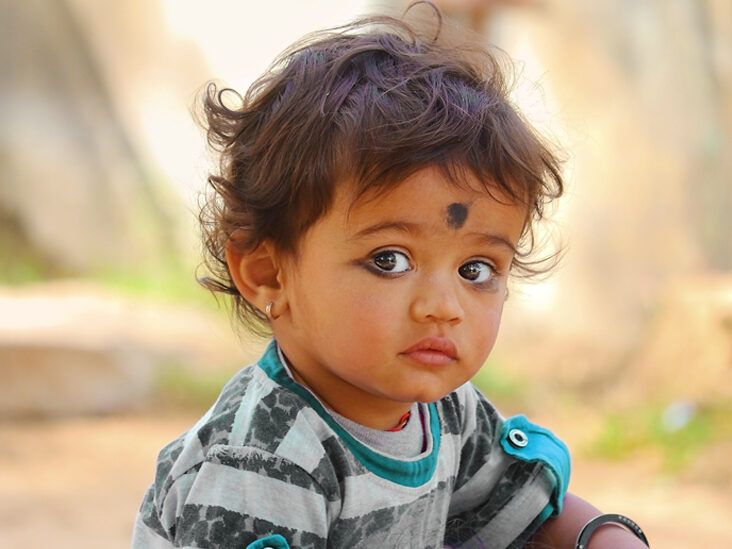
Observations from tertiary care paediatric hospitals in northern India indicate that the use of kajal among children is highly prevalent. In one such assessment, 100 consecutive children under the age of 12, belonging to both genders and different religious backgrounds—65 per cent Hindu, 30 per cent Muslim and five per cent from other religions—were examined. Of these, 86 children had kajal applied to their eyes, with girls (48) outnumbering boys (38). The majority of these children were under five years of age.
Interviews with parents, primarily mothers, revealed striking trends. Around 64 per cent of mothers were educated up to Class 12 or higher, yet nearly 90 per cent applied kajal to their children solely on the advice of elders. More than half of the parents were unaware of any specific benefits of applying kajal, though some cited beliefs that it increases the size of the eyes, improves eyesight or protects against eye diseases. Notably, none of the mothers who applied kajal could identify any disadvantages associated with its use.
The study further found that about 80 per cent of respondents used homemade kajal, most commonly prepared by mixing soot collected from the flame of an oil-based lamp with oil or eye ointment. The remaining parents relied on commercially available products. Among mothers who did not use kajal, most could not provide a clear reason, while a few expressed concerns that it might harm eyesight.
Kajal has been used since ancient times and is traditionally defined as an ultra-fine eye preparation made from processed “kohl stone” or galena, combined with other ingredients believed to have therapeutic value. Historically, it has been claimed to cool and cleanse the eyes, improve vision, strengthen ocular health and even prevent or treat conditions such as conjunctivitis, blepharitis and cataract. In many communities, it is also believed to ward off the ‘evil eye’.
However, modern scientific studies have highlighted serious risks associated with kajal, particularly commercially manufactured variants. Many such products have been found to contain high levels of lead and other heavy metals. Chemical analyses have shown that kajal may comprise substances such as galena (lead sulphide), minium (lead tetroxide), amorphous carbon, magnetite and zincite. Prolonged exposure can result in excessive lead accumulation in the body, potentially affecting the brain and bone marrow and leading to conditions such as anaemia and convulsions. Experts have also warned that unhygienic application practices, including the use of dirty fingers or sharp and uneven fingernails, can directly injure a child’s eyes.
While one study has questioned the extent of these risks and claimed that kajal may be safe, regulatory authorities remain cautious. The United States Food and Drug Administration does not permit the use of kohl or kajal in cosmetics or any FDA-regulated products. Despite such warnings and recommendations, kajal continues to be routinely applied to children across the country.
Further reinforcing these concerns, a hospital-based cross-sectional study conducted at a paediatric eye hospital in Mastichak, Bihar, assessed the awareness and practices of primary caregivers regarding kajal application. Using a structured Knowledge, Awareness and Practice questionnaire and analysing data through SPSS software, researchers surveyed 222 mothers or primary caregivers of children under 10 years of age. All respondents reported using kajal on their children, predominantly homemade. More than 75 per cent had applied kajal within the previous month, and about 20 per cent had done so on the day of the child’s birth. Alarmingly, nearly 78 per cent of respondents were unaware of the potential problems associated with kajal use, while 43.2 per cent reported that their children had experienced some form of eye health issue directly linked to its application.
Medical experts have also cautioned against the everyday use of kajal among adults and children alike. Dermatologist Dr Madhuri Agarwal, in a public awareness message, highlighted that kajal can cause eye irritation, dryness, inflammation and infections such as styes. She explained that the lower eyelids contain 30 to 35 oil glands responsible for maintaining the tear film essential for eye hydration and protection, and that kajal can block these glands, leading to ocular problems.
Specialists have further warned that applying kajal to the waterline or inner eyelid can disrupt the natural tear film, increasing the risk of dryness, discomfort and dry eye syndrome. Contaminated or poorly formulated products may introduce bacteria or fungi into the eyes, potentially causing infections such as conjunctivitis. Prolonged wear can also result in redness, irritation and discomfort, particularly if hygiene standards are not maintained.
Health experts stress that while the use of kajal is culturally significant, it should not be a daily habit, especially in children. To minimise risks, they advise choosing high-quality products from reputable brands, checking safety certifications, avoiding the sharing of eye cosmetics, removing eye makeup before bedtime with gentle cleansers, and discontinuing use if any adverse reactions occur. Consulting dermatologists or eye care professionals is also recommended.
Given the low level of awareness identified in multiple studies, healthcare professionals have underlined the urgent need for public education. Suggested measures include coordinated efforts by scientific bodies of paediatricians, ophthalmologists and paediatric surgeons to engage with social leaders, targeted parent education by healthcare providers, the display of educational materials in hospitals and clinics, stricter regulatory oversight mandating compulsory testing of kajal for lead and other heavy metals, and a ban on advertisements promoting unverified benefits of the product.
Despite repeated cautions, kajal remains widely used among children, underscoring the challenge of balancing tradition with modern health knowledge. Experts agree that sustained education, regulation and community engagement are essential to protect children’s eye health and prevent avoidable long-term complications.